The four teeth that shape oral health for life
4
minute read
•
July 14, 2026
Key Takeaways
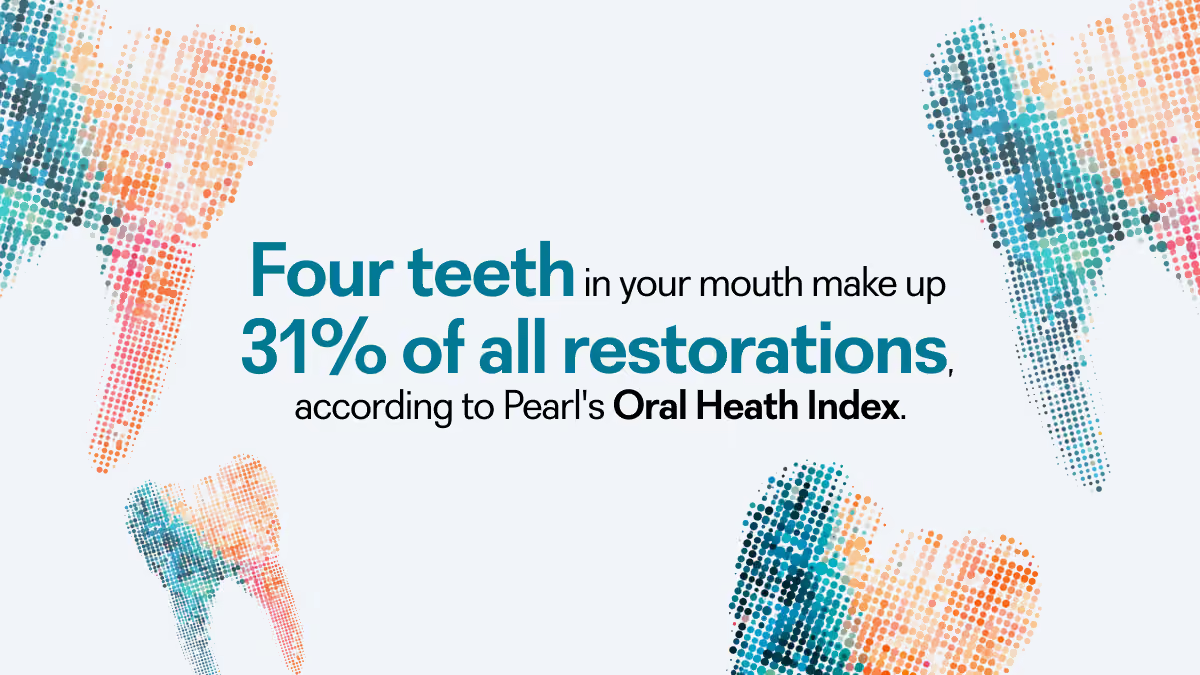
- First molars deserve more attention: They make up just 14% of permanent teeth but account for 31% of all restorations.
- The Oral Health Index confirms a familiar pattern: First molars are disproportionately affected by both decay and restorative treatment.
- Early disease often goes unnoticed: Radiographs can reveal changes long before patients experience pain or visible symptoms.
- Prevention starts with meaningful conversations: Helping young patients understand the importance of their first molars can influence their oral health for decades.
- Pearl strengthens early detection: Pearl helps clinicians identify subtle radiographic findings and communicate them more clearly to patients.
After years of working chairside, I have learned that the patients who need us most aren't always the ones with obvious problems. The 12-year-old who brushes “most days” isn’t experiencing pain and thinks of routine dental visits as just another of mom’s errands. The 16-year-old grinding their way through college applications probably don’t notice they’re also grinding their teeth. And the 23-year-old juggling their first job, rent, and health insurance may have quietly stopped making dental appointments altogether.
These are often appointments where teeth and gums appear healthy, but careful examination and radiographic evaluation identify subtle disease before it becomes a larger restorative problem. These are also the appointments where hygienists and dentists have the opportunity to connect meaningfully with patients, and bring attention to the teeth that need it the most: the first permanent molars.
What the Oral Health Index tells us about first molars
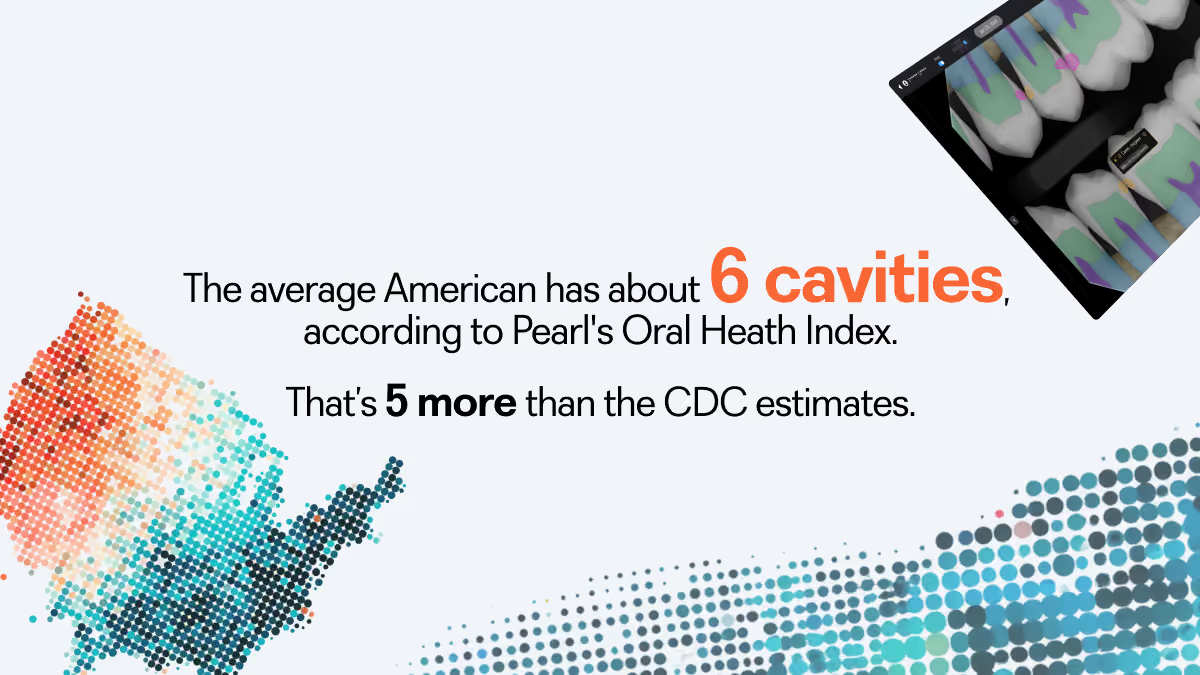
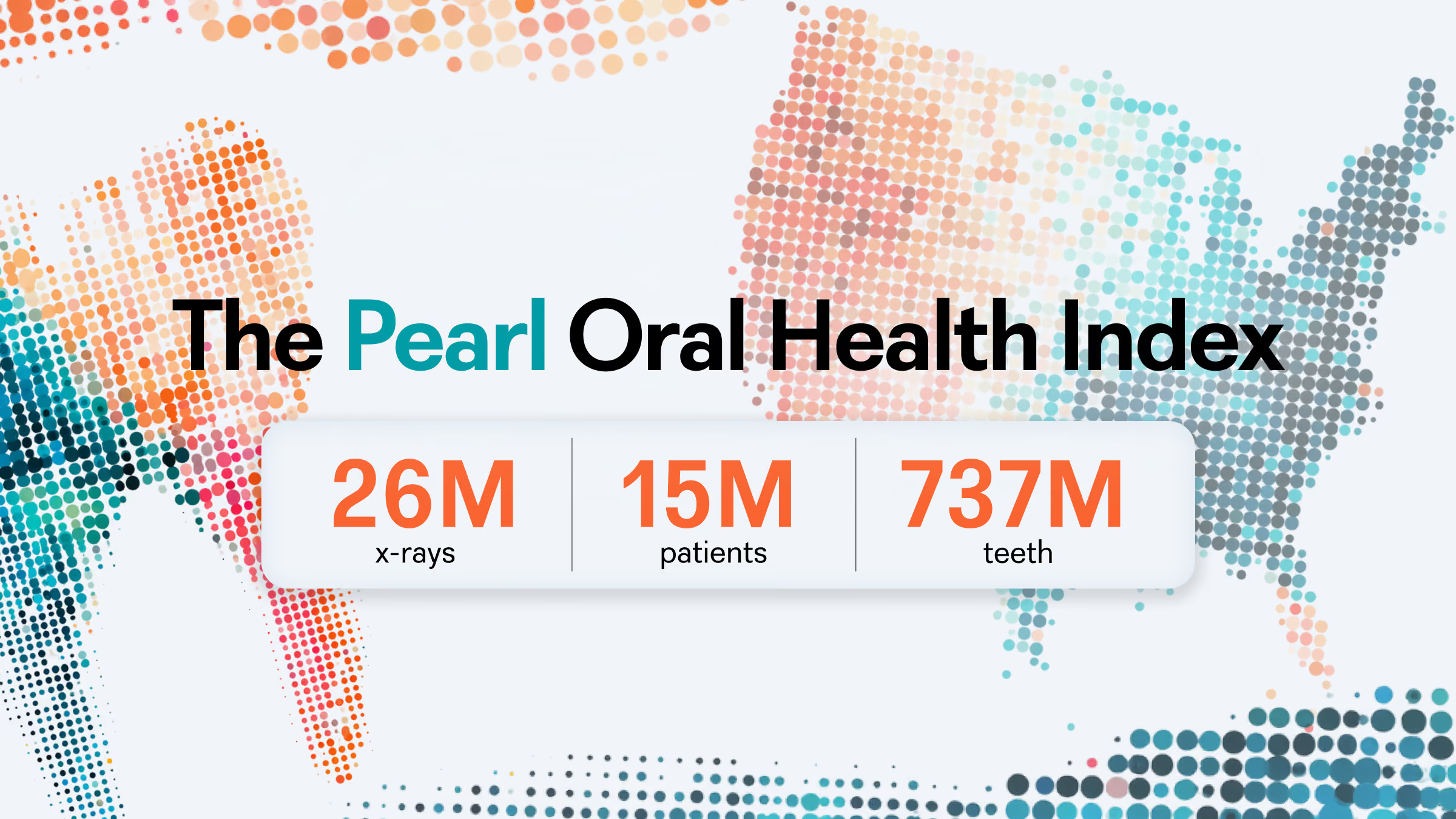
The Pearl Oral Health Index puts data behind what many clinicians have recognized for years. Built from more than 26 million dental radiographs, it reveals a substantially greater burden of untreated decay than traditional national estimates, which rely primarily on visual clinical examinations. It also confirms that not all teeth carry the same level of risk.
First molars—teeth number 3, number 14, number 19, and number 30—make up just 14% of the permanent dentition, yet account for 24% of all detected decay and 31% of all restorations, per the Index. Just four teeth, yet nearly a third of the restorative work we perform.
There are good reasons why. These teeth erupt around age six and are among the permanent teeth most susceptible to decay. Their deep pits and fissures, early eruption, and the fact that many children are still developing effective oral hygiene habits make them a natural focus for prevention and early detection.
An adult’s oral health is in the hands of their teenage selves
As hygienists, we are often the clinicians who see patients most consistently during those early years. That gives us an opportunity, and a responsibility, not just to treat disease, but to prevent it.
This starts with examining first molars intentionally at every appointment and tracking those four teeth over time. Just as importantly, it’s about making the conversation personal.
For me, prevention starts by making the conversation personal. When I show a young patient where their first molars sit, explain that those teeth have been working every day since they were six years old, and point to the earliest changes visible on the radiograph, the discussion shifts. Instead of another reminder to brush and floss, it becomes a conversation about protecting the teeth that will carry them through adulthood.
Where Pearl makes the difference
Even experienced clinicians can miss subtle radiographic findings after interpreting image after image throughout a busy day. Pearl helps surface those early signs in real time, making findings like early interproximal lesions more difficult to overlook. And when those findings are clearly annotated on the screen, they become easier for all patients to understand — even those antsy tweens on summer break. The radiograph stops being something only the clinician can interpret and becomes a shared point of reference.
For first molars especially, where the disease clock starts earliest, that consistency matters. It can mean the difference between a conversation about prevention with that same 12 year old and a conversation about crowns a decade or so later.
The cost of waiting
The stakes extend well beyond a single cavity. First permanent molars are foundational teeth, helping establish the bite, maintain arch stability, and bear much of the force generated during chewing. When one is lost prematurely, neighboring teeth begin to drift, the opposing tooth may supraerupt, and the bite gradually changes in ways that may not become apparent for years. Protecting these teeth through early detection and timely intervention helps preserve the long-term health, function, and stability of the entire dentition.
The Oral Health Index shows why these four teeth deserve our attention. While they represent only four of the 32 permanent teeth, they account for nearly one-third of all restorations, a statistic that highlights both their vulnerability and the opportunity we have to intervene sooner.
Data alone doesn’t change outcomes, but it should inform our actions. And that begins with an honest conversation with that 12-year-old, where a single radiograph, explanation, or moment of understanding can impact their oral health for decades to come.

About the author
Sheela Roth is a veteran dental practice management expert, thought leader and public speaker. As Head of Clinical Education for the dental AI company Pearl, Ms. Roth is responsible for developing and delivering strategic training programs that educate dental offices, staff and partners on AI and its successful application in dentistry. Previously, Ms. Roth founded and led the practice management consultancy Absolute Dental Business Solutions. She earned her BS and RDH from Loma Linda University..