

Will My Insurance Cover This?
Secrets to Overcoming Your Patients' Biggest Insurance Objections
Transcript
Alright. Well, while everybody is jumping in, I do wanna thank you guys for spending your time with us today.
My name is Sheela Roth. I am head of clinical education here at Pearl, and I also have, Kimberly Quieshen. She is our partner growth. I really wanted to thank Patterson also, our partner for helping us, start this webinar, get it going, and they were very particular about making sure we had a really interesting topic for our audience, and this was a perfect, topic.
So I'm very excited today. I'm introduced to you to the speaker in just a moment. But our webinar today is about, will my insurance cover this? Right?
Secrets of overcoming our patients' biggest insurance objections. So you're gonna get some really incredible nuggets today.
I'm thrilled to be hosting this session. We're gonna uncover strategies and insights that'll help you navigate through this complex world of dental insurance with confidence.
We all know the insurance concerns. They're really one of the biggest barriers to case acceptance. Right? Back office does their magic. The patient walks through the hallway and then we really wanna make sure that we overcome that insurance objection so we can get the patient, to schedule their treatment.
What if we could really shift the way we approach these conversations with our patients so that they could understand and accept the dentistry earlier and more often. Right?
So today, we're gonna dive into a lot of different topics that are going to really surprise you. And what I love about this webinar, and the topic is being able to actually take some of these golden nuggets and take them back to your practice right after this, webinar. So we're gonna talk about some of the words that we can exchange. Right? Some things that we are saying that, we can change very simply to allow our patients to accept the the dentistry and understand the insurance better. We're gonna reframe some of the misconceptions so that patients feel empowered to proceed with their treatment.
The role in AI, streamlining insurance misconceptions, also helping insurance verification, take some of that weight off your shoulders, and really kind of what does that do with the morning huddle? What are we gonna do there? So by the end of session, you'll have the tools to turn some of these objections into really productive ways to move through these case presentations, helping patients say yes.
So we're honored to have with us today a true leader in dental practice success, Stephen j Anderson, the founder of Total Patient Service Institute, where he's helped thousands of dental practices enhance patient communication, increase productivity, and grow their practices. He's spoken at major dental conventions across North America, authored five books, and written over a hundred industry articles.
He's also created numerous training programs focusing on service excellence.
Beyond all this incredible expertise and patient communication, Steven also, is the cofounder of the Crown Council and Smiles for Life Foundation, where listen to this. He has raised over fifty million dollars for children's charities worldwide.
That's very impressive.
Named dental business dental businessman of the year by excellence in dentistry and truly has a passion you're gonna see today in helping practices grow.
We're fortunate to have him share his insights today. So, Steven, thank you so much for being here, and I will turn it over to you.
You got it. Thank you, Sheela. Great to be with everybody today. I'm gonna share my screen.
And, Sheela, you and I have something in common. We're both wearing glasses today. We're we're not in our photos here. So, this is going to be, a an information packed, few minutes that we're gonna spend together.
I mean, I just give you a a quick backstory so you understand the context of of how all this comes together.
So this is going to be high-tech meets high touch today, and here's why.
Sheela mentioned, we're this is a a a cooperative effort today between Pearl AI. We're gonna share with you some of the latest AI innovations and how it positively impacts patient communication and case acceptance. And Pearl is one of the industry leaders in this area, so you're gonna learn some really cool things that what are coming down the pike and what's available today.
Our team at Total Patient Service is in the field every day. We have a whole team of what we call practice advisors, practice coaches that are in offices, all over North America every day, implementing the highest level of patient service and case acceptance systems in dentistry. So we get daily feedback on what's working with today's consumer and what's not, and I'm gonna share some of that with you today.
Sheela mentions, also a lot of this is coming from our whole community of users called the Crown Council, which is a continent wide affiliation of of practices that subscribe to a practice philosophy of creating a culture of success in their practice. And so daily we get feedback of again, what's working, what's not working, so we're constantly up to date on today's consumer and what's working in dentistry.
Sheela mentioned AI for life, So, thank you for that, Sheela. And all the credit goes to the thousands of offices all over the country that have are the ones that actually raised that money. And, we're big believers in what we call doing good. And part of doing good is how you treat your patients every day in your practice.
Alright. So resource, first off, we're gonna go through rapid fire, a number of different ideas, techniques, and systems today.
I have prepared this act sheet for you.
You're welcome to scan this and download it as an outline summary of what we're gonna talk about today so that you can take it back to your team, and you have all of that to share with us. This is gonna be a whole team effort today, so this will help you deliver on that so you can include everybody in the whole practice. We are big, big believers that the only purpose of education is not knowledge, but results producing actions. So our goal today is that when we get done about ten o'clock tonight no. It's not gonna be that long. But when we get done, you will be equipped to go do something different this afternoon than what you did this morning.
So, much of what we're gonna talk about is very tactical and specific things that you can do to increase your results, and this will this will help you do that. So you're able to scan that, download it, and that'll be a great resource for implementation.
So let's talk about first, what your relationship is with insurance, because your relationship impacts your patient relationships.
So what is your relate you probably didn't think you had a relationship with typically, we refer to that, like, when we're dating. So what's your relationship like? So what's your relationship with insurance? And this is a question I'd like you to take back to your team and ask them. Let me share with you some insights.
So I'm gonna play for you just a sample of a nationwide study that we did on insurance and the relationship that dental practices have with insurance. So here is the simple AI, is we call practices all over the country and asked AI a question that you get asked almost every day from potential new patients in your practice, which is how much is a cleaning? We wanted to see what the initial response would be nationwide. So I'm just gonna play you a quick sample of these.
So, again, it's all over the continent, and and listen very carefully to what the initial response is. I have edited out the name of the office and the name of the person answering the phone. So this is anonymous, Sheela. There is no I'm not I'm not calling anyone out in particular, but this is very representative of what we find all over the country.
Let's take a listen.
Hi. How much is a cleaning?
How much is a cleaning? Do you have dental insurance or just out of pocket with no insurance?
It would just be out of pocket.
Sure.
Are you a patient here at our office, or would this be for a new patient? I would be a new new patient.
Sure.
Hi. I'm just wondering how much a cleaning is.
With insurance or without insurance?
Without insurance.
Can I help you? Hi. I was just wondering how much a cleaning is.
Do you have insurance or no insurance?
No insurance.
Hi. How much is a cleaning?
AI. It just depends on the type of cleaning that is recommended.
Do you normally get cleanings every six months, every three months?
Every six months.
Okay.
Are you a patient here with us? No. I'm not.
Okay. And then it depends on if you have insurance or not as well.
I do not. Okay.
Okay. Let me just double check to see.
Alright. Sheela, I'm gonna stop right there because they're all the the same. So it's one of the first questions that always gets asked when patients call and make a price inquiry, and then the response is with insurance. Do you have insurance?
And so we complain as an industry about insurance. We have to take part of the responsibility because if it's the first question that we ask when a potential new patient calls, we've sent the message that your insurance is the primary consideration in our office. And so we've sent the wrong message, and I'm gonna give you an alternative to that here in just a minute. So here's the point.
When I talk about your relationship with insurance, here's the here's the challenge. AI.
This is a quick When we look at what insurance over the last thirty years has paid, insurance reimbursements have stayed pretty steady or AI when inflation continues to go up.
Right? And so we have increasing AI. We have decreasing reimbursement. And so it gets more challenging over AI, this whole relationship. So what our challenge what I'm gonna ask you to do as an office is if prices decline over time in terms of when technology comes out, we we're constantly market pressures are constantly looking for ways to drive prices down, and inflation goes up. So our costs as health care practitioners continue to go up.
Insurance is always trying to find a way to keep keep costs and expenses down. So it has this inverse relationship.
So here's the here's the real question, and this is just an overall challenge, is to constantly be evaluating your relationship, your practices relationship with insurance.
And and this one, Sheela, this is a question we get almost every day in our office at total patient service is practices will call and say, should we get out of network? Should we be insurance free?
And that is a different answer for every practice in the country depending on your market, your product, your your service mix. There's so many different factors.
But I'm just gonna give you one for today since this isn't our whole topic for today is is to look at this percentage is to always be aware of what percentage of your patient base is in network with insurance with insurance that you're contracted with. And that impacts how you approach this whole question of what your relationship is with insurance.
So, that's really the first first thing that I ask for is what percentage of your patient base is in network or contracted, and then we can we can have the discussion from there. So that's first thing. But overall, before we dig into the tactics, that's my first question is, what is your relationship with insurance, and what do you want it to be today and in the future? So with that, we're gonna go through, a vocabulary overhaul. And, Sheela, I'm gonna need your help with this because we are going to just make sure that we're using the right words, whether you're in network, out of network, doesn't matter, but we're using the right words when it comes to discussing patients' insurance.
So first off, should we do a game show here, Sheela? You wanna guess?
So instead of saying, you know, your cost for this or this is what it's gonna cost for your dentistry, our our preferred word is investment because it is an investment in their health, in their future, based on what we know today and their longevity, their overall life quality of life. We don't talk about the cost of dentistry. We talk about the investment and potentially the return on investment.
Financial policy. Sheela, how do you like do you like being recited the company policy in the places where you do business? AI policy is.
Yes. My AI.
I'm gonna challenge you to look at the form that you have patients sign because many times, we present them with a form that is our financial policy.
I would like to recommend that you relook at that form and title it your financial relationship because that's what it is, is anytime you have two parties involved, it is a financial relationship, including how insurance plays into that relationship.
Your insurance coverage. This is a misnomer because it implies that insurance is supposed to cover, and in many cases, people think everything.
This is one of my favorite, Sheela, is your insurance savings. Anytime we refer to insurance, we refer to it as your insurance savings because that's really what it is. It's kinda like a discount plan. It's a savings plan, but it is not in the pure sense of the word. It is not insurance.
How about this one? Sheela, if you're my patient, I'm really sorry, but your insurance will only cover five hundred dollars because you have lousy insurance.
So AI gonna challenge you to eliminate the word only from this part of your vocabulary and in others when when only is used to limit things, especially options. So we prefer to refer to this as your estimated insurance savings.
So for example, and I'll I'll add this one, your out of pocket. I hate that phrase. I don't know where it came from, but what's the word picture?
Yeah. You got nothing left because I took it all out of your pocket.
So we like to refer to it as your portion. Right? Not your out of pocket, but your portion. So for example, if I were presenting financial arrangements, Sheela, if you were my patient, what I would say is, Sheela, so your investment for the work that you and doctor Jones have talked about today, so that you can get to the health level that you said you wanted and be able to keep your teeth. Your investment for that is fifteen hundred.
Your estimated insurance savings is five hundred, which leaves your portion one thousand.
And that's exactly how we recommend doing it. Right? So, again, words matter.
How you talk about and refer to patient's insurance, it matters. So this is just a short reminder of these are the words and phrases that we recommend that you use instead of the stuff in the left hand column, which is what most practices do. If you wanna get what most people get, most practices get, do what everybody else does. If you wanna get different results, you have to be willing to do things differently.
And many times, little ingredients add up to big, big results. And this is the starting point. The words you use matter.
The first insurance question. So, Sheela, what do you think is the first insurance question that most prospective new patients ask when they call the office the first time.
Do you take my insurance that is x?
You got it.
And so let's work on this. So, Sheela, give me x AI z insurance. Let's say I'm not contracted with your insurance.
Here's the wrong way. No. I'm sorry. We we don't take your insurance.
Okay. Bye.
Game over. We're done. So we have at Total Patient Service, we have this whole concept called the yes practice. We always find a way to say yes.
Honestly, ethically, but I'm always looking for the avenue to say yes. Alright. So, Sheela, let's do this again. You be the patient and you ask.
Do you take my insurance?
Oh, I'm so glad you asked. Sheela, can you share with me, which company you have your insurance savings with?
I have MetLife.
Excellent.
You know, Sheela, you are in luck because we have a lot of patients who have their benefits, their insurance savings with MetLife.
Now let me pause.
That has to be true.
Yeah. So this is a discussion I'd like you to have with your team. This is a challenge, is to list the different insurances that people have with which you are not in network, that you're you you're not contracted, you're not in network, and there will be a bunch.
So then the question is, if you're not in network and they have their insurance with that particular company, why do those patients choose to come to you?
Chia, what would you I mean, what would you think? Why would a patient choose to go to a practice that's not in network with their benefits?
Either for me, it would be word-of-mouth, a referral, or maybe the hours that are available.
Yeah. So it's gonna be quality of the care, convenience of the service, how they treat them, the the word-of-mouth, the credibility they have. So I'm gonna challenge you to make a list of all the reasons why patients that are out of network come to your practice. K?
Because that's gonna be important in what we're gonna do next. So I would say, so, Sheela, you're in luck. We have a lot of patients who have benefits. They have their insurance savings with MetLife.
We don't happen to be contracted met with MetLife because we're an unrestricted provider, which means we can work with all types of insurance.
Would you like to know why our patients with MetLife, insurance savings, why they choose our practice?
Sure.
She will. You will always say yes. What are you gonna say? No. I don't wanna know.
You're always gonna so would you like to know why are patients with your same benefits, why they choose our practice?
You'll always say yes. Then I'm gonna respond with the list that you've created. So then I'm gonna say, so, Sheela, what they tell us this is what our our our patients AI you. What they tell us is they choose our practice because of the clinical quality of care of our doctors is amazing.
The level of patient service, and our great reputation.
And in addition to that, we file all the claims for our insurance, for our patients' insurance savings to help you maximize those as much as we possibly can. Does that make sense?
Absolutely.
So would a Tuesday or a Thursday work better for you for your first appointment? Right? So this I didn't just make this up off the top of my head. We test things all day long, everywhere in the country, what works, what doesn't work.
So first thing you're gonna do is ask them who their benefits are with. And again, this next part has to be, has to be true, is to say we have a lot of we have a lot of patients that have your same benefits. In fact, we're an unrestricted provider, which means we can work with with, all types of benefits. And we don't happen to be contracted with that company.
I have to be honest, I'm gonna tell them upfront. We're we're not contracted because we're an unrestricted provider. That's what I like to use. And then the question, you gotta ask the question, would you like to know why our patients with x y z benefits choose our practice?
Right? And then, here's your list. What our patients with x y b z benefits tell us is that they prefer practice because the quality care, whatever your list is for you.
And that even when they've looked at other options, they haven't been able to find what we have here elsewhere. In addition, we help all of our patients file their benefits so they can maximize their insurance savings. Right? So that Sheela, I'm not a huge fan of scripts.
Mhmm.
And when I gave my first public speech at age two and a half, I didn't have the words.
So my dad gave me the words and I had to memorize them. Sometimes it's a good idea to borrow someone else's words and make them your own if they're words that have been proven to work. And this is one place because this is this happens on a regular basis. Do you take my insurance? And what we find is ninety nine percent of the time, unless there's been some training around this, it's mishandled, and we miss the opportunity to potentially bring, more patients into the practice. So that is one of my challenges to you is to master the response to this question, do you take my insurance?
Okay. We're gonna go through some, what I call, yes hacks.
So these are easy ways to get to a yes as it has to do with insurance.
So Sheela and I are gonna go through these together, get ready, because we're gonna go through these rapid fire. So hack number one is insurance verification before the patient comes in. In other words, be prepared for the insurance discussion so that you are armed and ready to have a meaningful discussion with factual information. So, Sheela, tell us with, what the latest is with AI, what AI can do to speed up this process and really help you have the right information available.
Yes. So we've all heard about radiological AI, in the dental space. But now, really, for office managers, AI is here where we will be able to verify your insurance on all of your patients scheduled over the next ten days. And I think it's important to know that with this product, it's every time the patient comes in, and it gives you a nice summary of that full breakdown.
I know when I was managing an office, it was always trying to understand where is the information? Can I do Invisalign today? Can I do fluoride today? How much is left with the insurance?
And making sure that this is all done before you even arrive to work today is a great way to make sure that you can serve your patients best and allow your team time back to focus on those interactions you have. So with with precheck, you're gonna be able to have that, right at your fingertips every day knowing that you've got those breakdowns.
So we also have the ability to look back at EOBs and look at those two specific, dates of service so you can present, you know, more transparent treatment plans, infusing trust back into the patient. And you can see at the top here, just a little summary. You know? Tell me very quickly so I don't have to look in twelve spots.
Right? Office managers are very busy. Does it have downgrades? How at what age can I have ortho up to?
Is there a coordination of benefits?
Is there a missing tooth clause? And all of that information is really crucial to set up those office managers and treatment coordinators for success and, ultimately, your patient for success.
You got it. So there there in lies this hack number one is make sure you have the information today.
This is so much easier to get today. This this is one of the most exciting developments that and I AI Sheela, if you guys have done an estimate of how many hours a month this AI driven program saves.
Yeah. We're typically cutting about fifty percent of the time people are spending navigating through insurance websites.
So that's a lot of time off your day.
You're gonna have to call some of those insurance companies still that have those specific, you know, we can't tell you till you call and give us your blood and everything else.
But at the same time, eliminating that those mundane tasks for going to websites and having it all in one specific window really is decreasing the amount of time teams are having to spend on the phone and on websites.
So one of the, you know, one of the things that I hear every once in a while, Sheela, has people say, oh, AI is gonna take my job. Well, here's what I would say about this. What this does is freeze up more time so you can be patient facing and be more productive instead of spending time trying to do the research so you can be patient facing. So more time to do financial arrangements, treatment plan presenting treatment, all those things that are patient facing.
This just makes it that much more efficient. So this is an this is, like, one of the most exciting parts of of what AI is able to do. Alright. Hack number two is one of the most important habits of the top dental teams we work with all over the continent.
We call it the morning opportunity meeting. This is not a new idea.
We don't call it a morning huddle. We call it morning opportunity meeting because this is a focus on looking at today's opportunities, how you can be a better service, and how you can accommodate patient needs and desires today. So, Sheela, this is one of the things that we know is that we've gone through this transition in our culture. Whereas forty, fifty years ago, we used to spend our time to save money.
Mhmm. Right? We do our own laundry. We cook our own food. We do our own We do everything ourselves to save money. Today, we spend our money to save time.
We pay for efficiency to be able to do things faster, better, easier.
So this becomes a real focus of conversation in the office is what can we do today to maximize our patients' time? How can we be more convenient? How can we make it easier for them? So our recommendation from TOPS is that you have a prescribed morning opportunity meeting format every day that focuses on what's important today and how you maximize your patient's time and convenience.
So have a system for this that's consistent, that's predictable. You do it the same way every day that results in better results for your patients. So the best teams we work with consistently produce more than scheduled. So they produce by the end of the day, they produce more than they had scheduled at the beginning of the day because they do this.
Okay. So then the next piece of this is, Sheela, you've got an awesome morning meeting edition that makes this discussion even that more powerful. So tell us tell us about this piece.
Yeah. So I think it's really crucial to, prepare your teams, but also to prepare your individual providers. So what we're doing is we're going through every time you make an appointment on your schedule, Pearl will go through and audit that patient.
And, I remember when I was a hygienist, I would go to work early, and I'd find out who's due for probings, who's due for X rays.
Did my patient have unscheduled dentistry so that I'm mindful of my time? And, also, that took a lot of time. So each provider will have a daily huddle sheet, but what this really promotes is opportunities.
So if we know that, you know, office managers come to work in the morning and we check those messages reluctantly and check those, emails and okay. What openings do I have to fill first? Right?
And we know that, hey. At three o'clock, doctor Jones has an opening, but the one and two o'clock hygiene patients have unscheduled dentistry.
That's a big win if we find that out at eight AM and if we know the insurance has coverage. So it really streamlines that daily workflow to enhance clinical care and same day productivity.
I think having a morning huddle with all of this information in one area makes it much easier. We live in a very convenient centric market. So back in the day where, you know, we didn't really think about, offering same day dentistry, it's really a number one way for teams to be very productive, not just fill cancellations, but enhance that appointment for that patient. Would you like to stay today and and do that extra filling? So if we're mindful of that at eight AM, our day is gonna go smoother, our patients are gonna be taken care of, and the practice ultimately becomes more productive.
Love it. So, again, one more added piece of the puzzle that makes that morning meeting that more much more effective with everybody on the same page and gives you specific patients and specific actions to to work on. Alright. Hack number three.
Don't just tell me, show me. Alright? So, there are so many different ways today that we can help patients understand exactly what's going on at at a much higher level.
So, you know, for example, one of the most common problems on, you know, in hygiene is that when a patient gets told they have periodontal disease, the most common response is, well, it doesn't hurt.
Because we equate hurt with something that's wrong, and when it doesn't, then it just, it's a it's a total disconnect. Gotta have a better way. So, you know, back when intraoral cameras first came out, that was, like, huge from a case acceptance standpoint. So patients could see up upfront and personal, what's really going on.
When we started using phase contrast microscopes in hygiene to show patients the actual bacteria that's moving around in their mouth, that was revolutionary.
So with AI today, there is an enhanced way that we can have a meaningful discussion about what's really going on to the level that I could understand it. No. The re Sheela, the reason they say I I'm not a dentist.
I've been in dentistry. I got sucked into dentistry a long time ago, and I love this next piece because even I can understand this. So help us understand what AI does in this area so AI, as the patient, can understand it.
Absolutely. So it's a staggering statistic when you see that sixty four percent of patients actually do not understand the x rays we are showing them.
Sixty I would say, like, ninety percent. Maybe a hundred.
I know. And and, see, when it came to me presenting periodontal concerns, it is interesting because most of our patients have not heard of scaling and root planning. To your point, they are asymptomatic.
And now we have boxes that'll that'll put, little boxes around the calculus, bone level measurements. And also thinking about two doctors on tooth number thirty. You know, presenting, you have a really big cavity here. You see the red blob.
If it gets close to that purple area of the nerve, we're going to need to do root canal. So let's try to get this crown done sooner rather than later. So patients are now more informed to make better decisions and this is working in real time. So you take your radiographs.
These images will pop up for you, so your patients will understand what you're recommending. And we know that patients are healthier if they can understand the dentistry and they're accepting it sooner. So it's less expensive and ultimately that leads to better, patient retention and practice growth. So this is a great way to turn your case presentations, typically, from night to day. And thirty percent case acceptance usually occurs in the first ninety days when you're using these images chairside.
So huge eye opener.
First time I saw this, it was AI it was the first time I understood an X-ray.
It was it's awesome. So, with those things that we've talked about so far, if and I would highly recommend this. If you'd like a demo of all the things that Pearl can do, all of this, of course, is AI driven.
You can scan this QR code for a demo and, with a special offer there. But if you have not seen this up close and personal, both the insurance verification, the AI driven, X-ray view, it is a sight to behold that the functionality of this is really, really fun and will just catapult the whole productivity to a a higher level. So you're welcome to scan that and, jump into it. See, see what's available, what what the possibilities are today. It's awesome.
Okay. Hack number four.
Are you ready, Sheela? Because you and I are gonna have some fun here.
It's one thing to show them. And the the thing that I love about this is if if you put everything in place, so the patient embraces it and they go, okay. I really need to do something. Then that's where here comes all the insurance involvement and how we need to be really good.
So how how do you respond to the most common insurance objections? So here they are. These are the most common ones, five of them that we find. We've already talked about the first one.
Do you take my insurance?
But then the next question is, if I've looked at the x rays, Sheela, then then and I've decided I'm gonna do it, this may be my next obvious question is, is my insurance gonna cover this?
Or next the next one's my favorite is, because my insurance covers one hundred percent. Right? In fact, my employer told me AI I came to you, you would pay me. Right? That's or I wanna see what my insurance will cover first.
Or how about this one? I've never had to pay at my previous office. So we're gonna let's walk through these real quick. So let's, my insurance let's do will my insurance cover this for starters? She let and we've actually already answered this because if you've done the insurance verification, you are armed and ready to to do this. So, She let you ask me. You be the patient, and this is how I would this would be the correct way I would respond to it.
Well, does my insurance cover this?
No. Sheela, that is a great question, and we always, love to help our patients maximize their insurance savings.
So based on what we know about your insurance savings, you could we have we estimate that the investment for this procedure is whatever it is, thousand dollars, twelve hundred, whatever. And we estimate that your insurance savings will be five hundred, which leaves your portion seven hundred.
Oh, okay. But my insurance covers a hundred percent.
Okay. Then there we go. K. We go on AI. We'll get there and submit. Alright.
So here's the deal. If you've done your if you've done your insurance verification, then you can answer that. But but the way I did it is important.
Right? So I've repeated this twice now. Investment, your estimated insurance savings, because it is an estimate. Right?
We we never know until we actually do it. Your estimated insurance savings is which leaves your portion, not your out of pocket, but your portion. Right? So that's again, if I'm armed with that, then I can respond in that way.
So, again, important that everybody in the team is trained on the right verbal skills. You gotta have you you have to have the facts, and then you have to have the right presentation.
And when you have both of those together, then it's a powerful conversation.
Okay. Now let's do this one.
This one may be an unanticipated way of of dealing with. Alright. So do that again, Sheela. Your your comment is?
Yes. So well, I appreciate the estimation here, but my insurance covers a hundred percent.
Got it. Alright. Tell me about that.
So when I signed up for insurance, it says AI get everything for free.
Perfect. Alright. So, you saw all the free services that your benefits provide.
Yes.
Would it be helpful if we reviewed those real quick?
Sure.
Perfect. Alright. So based on what we know about your insurance, Sheela, is that for the premium you pay every month, that what you get every year is two cleanings, right, and an exam every year, and then savings on the procedures that you need up to a thousand dollars of total benefit.
Does that make sense?
Yes.
So so based on what we know about that savings part of your insurance, that we estimate that the savings you're getting on these procedures is five hundred dollars.
Right? That's what your insurance provide your insurance savings provides, which leaves your portion a thousand. Does that make sense?
Yes. That makes sense.
K. So in other words, what I'm I'm not gonna can we do it the wrong way? Sure.
So you want me to start over and tell you the same thing. Right?
Uh-huh.
Yep. So, I was under the impression that my insurance just covered all of this.
No. It doesn't.
Okay. Why not?
That's enough. It it it doesn't cover a hundred percent cover. The only thing you get is is a cleaning, two cleanings and an exam. That's the only thing you get for free. Everything else, you gotta pay for.
Oh.
Now I'm being silly and not so much.
I know we get so fired up about the insurance topic that sometimes we we're we're ready to do battle. Right? We're ready to do battle on the front because we have to deal with it every day. So again, how we deal with this. So one of my favorite things, Sheela, and this everybody may not have picked up on it.
If you don't know how to respond to something, here's my default.
Tell me about that.
In other words, I need some more information.
So, I need more information on how to deal with that. So I would just say, well, tell tell me a little more about that, Sheela. I wanna know what your understanding of it is so that then I know how to clarify.
So when you said, well, I get everything for free, then I can say so. It sounds like when you looked at it, then you saw all the services that you get for the fee that you're paying. Could we review those together real quick? In other words, so you're you're clarifying without, you know, lecturing or getting into a battle.
Okay?
So I'm gonna I'm gonna hop to one of the questions here. So here's one of the questions. This is from Naomi.
How do you deal with some of these objections when your office is unrestricted, not contracted? Alright. So let's let's say this is an out of network situation. And, again, there's all kinds of different situations here.
But let's go back to, is my insurance going to cover this?
And what I would say to that, Sheela, is so, Sheela, what what we can do based on what we know about your insurance savings, we estimate that your insurance is gonna will will save you five hundred dollars.
We'll file those claims for you. The and the check's gonna come directly to you from your insurance company. That's typically what happens. I mean, there's so many different variations on this depending on where you are in the country, what you're doing, what their relationship is with you.
So I I wanna be very, very transparent about we're gonna do everything we can to help you maximize your benefits that you have. Whether I'm in network or out of network, we're still doing the same thing. We're gonna maximize your insurance savings, and that's the phrase I like to use is maximize your insurance savings. In network, out of network, it's the same.
I'm gonna use that same phrase.
Alright. How about this one? And see, Sheela, the thing I love about this one is we've eliminated this. We have eliminated this objection with insurance verification.
Mhmm.
So the way I respond to this, you may and and it it probably won't even come up anymore if you already have the insurance verification.
You have the estimate of what it will be, so I can just respond with that information. This one, it'll go away because you have it. Right? Now, the bat and now we all know the best you can do is the estimate. And this is part from a patient standpoint. We don't understand this.
Just because it's an estimate is not a guarantee of payment. I don't say it like that.
But what I would say is so, Sheela, what we know, based on what your insurance is willing to share with both of us before treatment, This isn't a guarantee of payment. It's the what they will provide is their estimate, and that's the best we can do. Whether you call them or I call them, that's it's an estimate of what they will do, and that's that's the best we can do. So based on that information, what would you like to do?
AI? I'm gonna always gonna end with a question, but just to clarify.
Alright. This next one, never had to pay at my previous office. K. So this is code for insurance fraud.
In other words and this happens in dentistry, which is there are some practices illegally. Let me be very, very clear about this. They write off the patient portion.
And and it is insurance fraud unless you disclose it to the insurance company when the when the claims file. So as long as you have to be if you read your contract, most practices have not read their contract.
If you read your contract, you are obligated to collect the patient portion. And if you don't, you have to disclose it when you file the claim that that they were given a courtesy or whatever, but you didn't you didn't collect it. So any patient who says this, they were going to an office that was illegally writing off the patient portion. You're not gonna call them out because you don't know the situation, whatever.
But if this were the objection, I never had to pay at my previous office, then what I I would respond by saying, so, Sheela, it sounds like this is a different you're having a different experience here than you've had in a previous office. Am I right?
So this is kind of a surprise.
Very surprising.
Now I'm gonna pause right here because this is part of again, I love technology, and we are in a human interaction world. And and and so that's where when you have great technology and you couple it with great people and verbal skills, magic happens.
And you have to there's much to master here is there is about clinical dentistry.
So I'm gonna acknowledge the fact this isn't about the payment as much as it is the surprise.
I have to deal with the emotion first before I deal with the logic.
Because we all make decisions emotionally, we justify with logic.
So I always have to say, what's the patient feeling? What's the underlying emotion? I gotta deal with that first. And in this pay in this this situation, it's surprise.
It is she's she's dealing with something that's unexpected.
She might even be a little angry.
So that's my first response. So, Sheela, you're surprised because you're having a you're having a little different experience here than you've had in the past. Am I right?
Yes.
In my experience, when you do that, she'll shift emotionally to a totally different place, and then we can talk about the logic. But if I jump straight into the facts Mhmm. And say, well, they they should have charged you your patient portion and they didn't do you know, if I get into that, game over.
Acknowledge the emotion first, and then we can deal with all the facts.
So those are those are the most common insurance objections.
And I would, I'd like to here's what I recommend.
You get these every day. We hear these every day in dentistry. So this would be no different if you saw a clinical condition that showed up almost every day in the lives of your in mouths of your patients and you didn't know what it was and you didn't know how to treat it, what would you do? Would you just look at it and go, well, there it is again.
What you gonna do? No. You do your research. You go to seminars. You you'd figure out what was going on so you could treat it.
These are no different.
If you hear these every day, then let's go to work on training everybody on the team on how to respond effectively so we get the AI of result that we want. Right? So you can take those five for starters and work on those with your team so that everybody's responding to those effectively. And I'll just it's she I'll I'll tell you two things what the best teams do.
Number one is they have a consistent time where they train on patient service skills. Training is key. For every, in our book done right, every hour of training should result in three hours of additional productivity if it's done right. Number two is sometimes, yeah, with everything we've got going on, the challenge of coming up with, the right content and being able to train this effectively.
So one of the things that we've developed is an online tool where your team can get trained on all of these so that you don't have to do it yourself. Everybody can get the training. We call it virtual coaching.
And and there is on that resource page that I shared, there is a a place where you can look at a demo of that. So you can see how you can train your team in all the areas. So they're effective at responding to patient objections.
Alright. You ready for hack number five?
Yes.
Okay. I got a quick question.
Go over the response you mentioned. This is from an anonymous attendee.
The response you mentioned about when the patient hasn't had to pay the other off. So that was our last one, which is AI never had to pay. So the response is so, Sheela, you're AI.
You're having a different experience here than you've experienced elsewhere. Am I right?
Yes. I'm not prepared to pay today. I didn't have to pay last time.
Got it. Alright. So you came in today not expecting to have to pay anything?
Correct.
Alright. Now see what happened?
It just shifted.
In other words, the objection just it shifted from AI never had to pay before to AI I just wasn't prepared to pay today. So I'm again, that's what happens when you feed stuff back. It's like uncovering the layers of an onion. We get down to what the real issue.
She it may not be the fact that she didn't wanna pay as much as it is it is AI wasn't prepared to pay. So I can deal with that. So, again, these take so many different directions. It's the methodology and the format, not just the exact words, that you have.
It's kinda like playing, do you play pickleball?
You ever play pickleball?
I love it.
Yeah. So it's like playing pickleball, and I AI it's hitting the ball back and forth to keep it into play so that we eventually get to a yes.
Okay. Hack number five.
This is one of my favorites in terms of making sure the patient arrives alive for treatment.
So this is all has to do with how insurance plays into financial arrangements and then how you put financial arrangements together.
We like to pick an amount.
So, like, a minimum amount. Let's say it's five hundred dollars, a thousand dollars, whatever it is, and we separate the payment from the day of service.
Because if, Sheela, if you have to pay the day you get treatment done, you are highly susceptible to the financial flu.
What's the financial flu? You wake up the day of and you go, oh, I'm not feeling well. Well, the reason you're not feeling well is you don't wanna pay two thousand bucks today.
That's like If If if all of the payment arrangements have already been set up and the payments already been run, or let's say the payments run on Monday of the week before you're having treatment done, there's so many ways now technologically we can do this.
If it's all taken care of, all you have to do is just show up and get the treatment done, but you don't have to worry about payment. It reduces cancellations, no shows, and changes in the schedule. So it's a simple deal. It does take, it does take some back office work to set all this up, but it's one of the most effective ways where you take that piece of it to streamline it to keep your schedule intact.
Hack number six, present one fee. Okay. So this has everything to do with insurance. I'm gonna give you a quick example.
If you're to print out in the typical practice management software and you were to print out the typical treatment plan presentation form, this is an example of one. Sheela, what do you see there?
Yeah. A lot of things AI I'm not sure I understand.
The mess. Right? In other words, what I'm looking for is, first off, all the stuff that is written out there, I have no idea what it means. If I'm a if I'm a patient, I'm looking at this and it's AI resin, one surface interior, occlusal guard. What's occlusal?
You know, it's all all these different things, and I'm looking at the prices of everyone and what the fee is and what the patient I mean, it's a mess. And what I'm really looking for is, well, how much do I have to pay?
So in short, this is what we recommend. And this is just a a simple example of here's the total investment.
Here's the estimate of your insurance savings is where insurance comes in before, and here's your estimated patient portion. In other words, I wanna layout like this. I mean, compare this to this. I'll have this if the patient wants to see all the detail, but this is really what I wanna know is what are what are you gonna do?
What's my total investment? And bottom line, what's my portion? Right? So rework rework your financial how you present, especially this part about the insurance. And, again, there it is, insurance savings.
AI? So rework it so that it makes sense. Make it easy for the patient to do what you want them to do.
And this is one way where you can streamline it and make it a lot a lot easier.
Act number seven, patient option payment options. We recommend having at least three forms of third party payment in your practice to give your patients options.
So that high up your up your game in the third party payment area. And then hack number eight is permission to follow-up. So here's the verbal skill.
When when we get done depending on what you've accepted, Sheela, let's say you haven't accepted everything. So what I always wanna say is, so, Sheela, I totally understand where where you are today.
And with your permission, when you come back, this is my commitment to you, is that I'd like to be able to give you an update every time you come in on what your condition is and and where things are so that you are always in a position to make a well informed decision. Does that make sense?
I love that. And I think Kimberly has a couple questions.
She does. She does. She does. Alright. So with that, those are all my hacks. So perfect timing.
Again, we got two two different things. If you didn't get the hack sheet, you can scan that QR code. And then, Sheela, I'll put up the the one for the demo here real quick as well again so that they can do it. So let's do the questions. Here we go.
Okay. Perfect. There was, there was a couple of quick ones that I know Sheela will be able to bang off here regarding, pre check. When we're asking, she there was one saying, and is this AI the insurance platform where it only shows your history for your practice, or does it pull all history?
Yeah. Great question. So when we're looking at specific history, we're going to pull that based on the, patient's relationship with the insurance. So as long as they've been insured, so not just their practice.
Oh, you're muted, Kimberly.
I caught myself. I was trying so good to be not, noisy.
What clearing houses are we using?
Yeah. So we're using four different clearing houses, and that allows us to return about twenty percent more insurances verified on average. So I think having a larger database to pull from and different clearinghouses, you're gonna see better results.
Okay. Perfect.
AI I have a feeling you're both gonna have a comment on this one, but there was a question of, can the provider morning printout or the opportunity, morning report be printed out the night before or a few days before, or is it limited to time?
Yeah. So for the pearl printouts, those are available every day. So you can print them out from here to the next, you know, thirty days for whatever you need. It's great to be able to use that ahead of time. Like, if you have a cancellation Thursday, you can look at your morning huddle and see your outstanding opportunities.
So that's very valuable.
And then on Awesome.
Oh, go ahead.
On the on the agenda itself, that is prepared the the day before. Perfect. And then, Steven, what was the name of the book that you mentioned?
AI mentioned a book.
Apparently. Alright. Jeff, feel free to put it in the chat for something else.
Okay.
Perfect. And then questions about, what if insurance had paid a hundred percent? Would that be an example of a patient never paying? I I I believe you covered this, carried on, but just is there anything else you'd wanna say there?
Yeah. So, I mean, in in most cases, they would have paid a hundred percent if it was the exam, the cleaning, all those things. Typically, when a patient says, I've never had to pay before, that what we found is they're coming from an office that routinely was just writing off the patient portion.
Wonderful. Okay. And then there was a comment about the download for your resource not working.
Doctor West, I hope you were able to get it the second time around when, when Steven showed that. So I I hope that that's working for you.
If it didn't work, doctor West, just email us at hello pearl dot com, and we'll make sure that gets to you.
Perfect. And then any other questions coming in? Alright. Perfect.
Well, I think that's it. Steven, this was so informative. I wrote so many notes myself. Even though I'm not treatment planning dentistry every day, this is so helpful, and I think everybody's gonna have so much great information today, I'm sure they can take some of these nuggets back and and start focusing on those things you shared. So thank you so much for being here.
Thank you. Sheela, great to be with you, and, best of luck to everybody. This is a journey, and, the the the the dental journey continues to be more and more exciting, fascinating, and easy, every day. So let's have some fun together and make it happen.
Excellent. Thank you, everybody. See you soon.
Meet Your Host
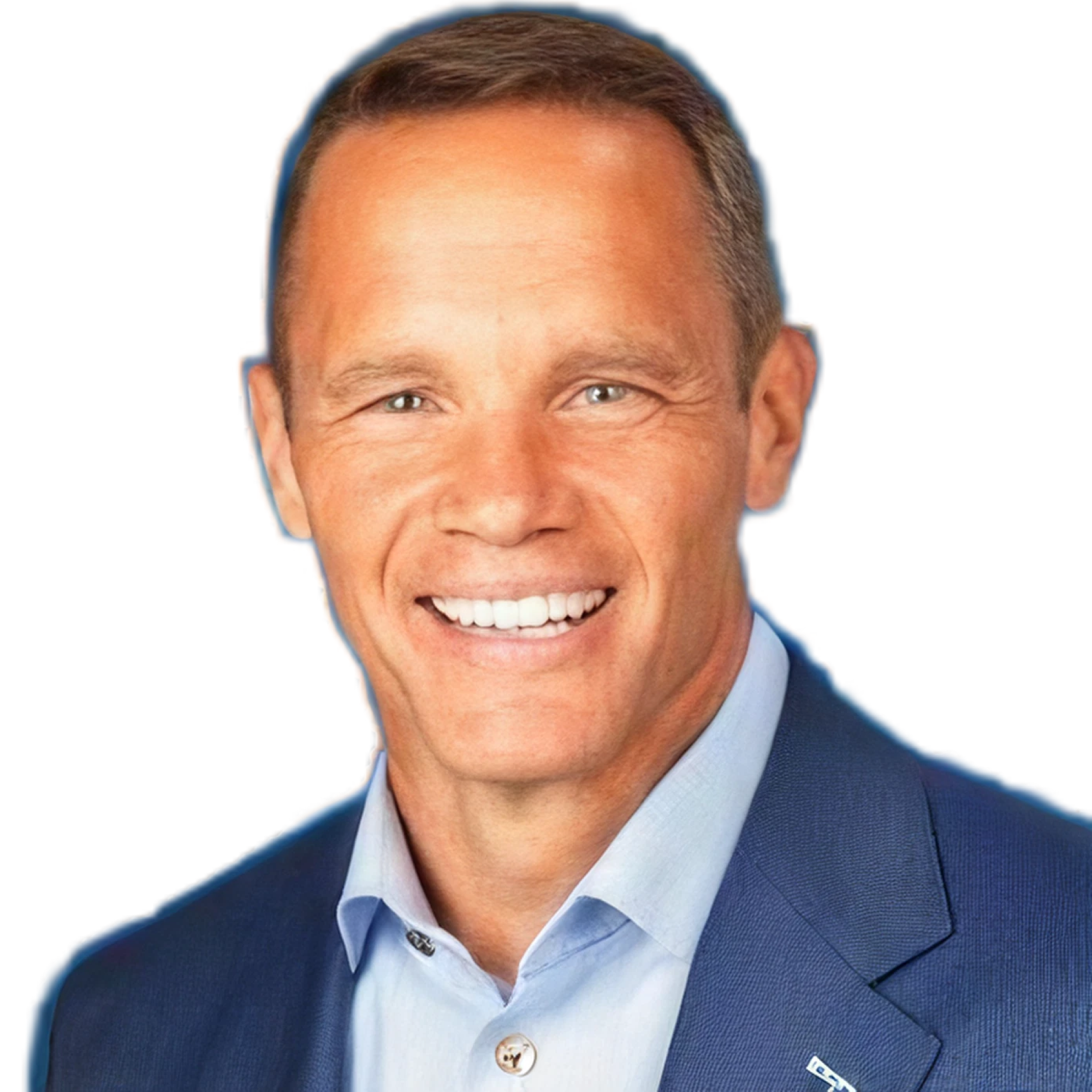
Steven J. Anderson is a renowned expert in patient service and communication for dental practices. As the founder of the Total Patient Service Institute, he specializes in helping practices elevate patient care and increase productivity through effective communication strategies. With over 30 years of experience, Steven has spoken at major dental meetings across North America, conducted seminars globally, and worked with thousands of dental practices to achieve measurable growth. He has authored five books, written more than 100 articles for industry publications, and created numerous audio and video learning programs.
Done learning and want to get started?
Book a demo