

Pearl After Dark
Conversations with Dr. David Kagan on Boosting Office Efficiency While Managing Remotely
Transcript
I am Sheela Roth, head of clinical education at Pearl. I'm very excited to be here, a hygienist, and my my real passion is practice growth. I am joined by my fellow Pearl cohort here, Kimberly Quieshen. She is our director of growth, and we have our wonderful soda partners on our webinar tonight. Very happy to do this together.
We do have Frank from marketing as well as Scott Cote, the director of sales. And joining me tonight along with the webinar, we go back a little ways now. We've been working together for a while.
Therese Negron. She's also our account executive from SOTA, and doctor Kagan. So doctor Kagan, and I met how long ago was that? Maybe, like, five years, maybe eight years ago?
Longer.
Longer. Yeah. We've known each other for quite a while, kinda running into each other, in different places, different webinars, with a marketing company that we both had used in the past and currently as well as when I first saw doctor Kagan at the CDA, he was really excited about AI. And then I saw him again another webinar AI, seminar, and he kept talking to me a little bit more about how he's really using AI in his practice and soda cloud and how he just loves it. And I'm like, I'm bringing you on stage. So I'm really thankful that he's here tonight.
You've been practicing for a long time. You've been kind of a celebrity on a lot of these CNN, MSNBC, TV channels.
I know how fond you are spending your free time with your wife.
And in dentistry, I loved the part that's talked about how you personally examined over three million teeth.
That's very interesting.
So has also the founder of the dental care of Boca Raton.
And also, doctor Kane, is there anything you'd like to add before we jump in?
Nope. You've done a great summary.
Okay. Excellent. So I'm gonna go ahead and share my screen. I do wanna go over a few little housekeeping items. We're gonna have a nice kind of our first pearl after dark, we're calling it, a little more conversational. So, again, we'd love for you to unmute.
Teresa's also gonna be here with us to, kinda jump in for those SOTA questions.
We have a CE for you at the very end, so be sure to stay and get that QR code and a few additional, things as far as, like, if you'd like to talk to SOTA Cloud or Pearl. We're gonna be able to give you ways to do that.
So I'm going to jump in and share my screen, and we are going to get started.
Alright.
Okay. So, really, I also think, when we kind of talk a little bit about AI, we're gonna be bringing in kind of how doctor Kagan has been able to not only help his team, be more efficient and effective, but also how he's done such an incredible job and his inspiration to me of being able to free up his time, manage from afar, and, spend time with his son, his wife, and also grandson, I think. Right?
Yes. We were just on with him a minute ago. Yep.
It's it's really kind of inspiring to be able to see where we can take dentistry and be able to still maintain a practice and live thousands of miles from it and be able to still, be able to treat patients, oversee it with AI, and find ways to streamline things. So, we're gonna talk a little bit about, what AI is today, how it came to dentistry, some of the chairside impact of AI, the clinical performance, and really kinda where is AI heading in the future.
So, again, our mission at Pearl is to really impact billions of patients' lives by elevating that standard of care in dentistry.
I think in this space that we're in, the way we do dentistry now is so different, from a insurance perspective, time perspective.
We have this mass exodus of dental staff members leaving the space and this shortage. We're all trying to find hygienists and doctors and stuff. But at the same time, we all went into dentistry, for that main reason, which was to help, our patients. And tonight, we're gonna talk about ways to be able to do that.
When we think about AI, I just wanna make sure that you're you have in your mind what that looks like on a daily basis.
And Pearl does have the largest, array of radiological capabilities in the space. So from pointing out that periaporealucency to the notable margins, bone level measurements that alert your hygienist to take a closer look from a periodontal perspective. You know, we'd like to see white, not yellow or even red.
Calculus, great thing to hover over and have those teams, understand when they're explaining to the patient you have some help here. And then, again, we'll get into this a little bit later, but my favorite is on the far right where you can really take those, case presentations to the next level by using those color coded visual aids for the patients to understand and accept the dentistry that you're recommending on a daily basis.
Our goal is to not have you diagnose more dentistry, but that your patients would actually accept the dentistry you're recommending kind of earlier and more often.
And some of the things you'll hear me kind of, inject throughout the presentation are from a lot of webinars we've hosted and a lot of, consistent questions in clinicians' minds like, what happens with if you overlap or if you, you know, don't take the right angle. And I think the concept is very similar for an AI reading radiographs as it is for a human. So the more accurate an angulation the radiograph is as well as the, exposure, the more accurate the AI will be. So, excuse me. Again, thinking about how incorporating AI into your space, I wanna make sure you're aware that this happens in real time.
So if you take four AI wings, this is automatically uploaded. You don't have to do anything different.
The images will appear with those AI detections so that if your hygienist is taking them or your dental assistant, the doctor comes in, you could view those images right before you pop in or definitely AI with your patient.
So when we look at, areas of decay, we're gonna color code those from a light pink to a dark pink. And as they move through that, DEJ, they become darker.
Excuse me.
So, when we colorize the teeth, that's when we'll talk a little bit more about the chair side case presentation.
Now the interesting study on the right, I wanna kinda dive into that a little bit because it really kind of is gonna fuel, like, the why AI. Right? Why do we need AI, Sheela?
And when we look back at, Pearl studies for FDA submissions, we found that the, AI reading the radiographs, they did a great job. Not perfect. We also found that the dentist reading the same radiographs and circling cavities and being able to help, initiate those trials, great. Not perfect.
But the interesting research was when we put them together, we found that thirty seven percent more disease detected, and that's earlier in the space. Thinking about that humans can see about thirty to fifty shades of gray, whereas the AI can see about five hundred and fifty to seven hundred shades of gray. So thinking about okay. Great.
We can look at areas we can remineralize AI areas that maybe we wanna point out to our patient that we're gonna keep an eye on these light pink ones until next AI.
But that the areas that we just shown earlier here, a darker pink color is a warning sign. Right? Let's take a closer look at that. So that's a nice space for your X rays to start moving into, allowing you to move through X rays faster.
So now that you understand what we're talking about with, radiological AI in the dental space, let's talk up back up and talk a little bit about what is AI.
AI is artificial intelligence. Right?
Most of us have heard of what AI is, but don't really understand what it is and how it got into dentistry.
So this is the basic definition, and I want you to think about simple things that we have, in our space, in our world that AI has kinda snuck up on us. Right? We have facial recognition.
We have, natural language processing. So, when you open your phone, right, when you have a bank fraud alert. So AI has been in our world for a very long AI.
And I think the other thing is that there's a lot of fear around AI. Right? People think that, it's gonna take our job.
It's scary. You know, we see Elon Musk's robots, although I do think it would be great if it could make dinner. Right? That would be nice.
But we're not at a place where it's going to be solving math problems or really kind of thinking for us. It's able to be programmed, but the AI that we're fearful of, that we're seeing here, is more of a general artificial intelligence. Right? We call that a strong AI where we could actually have it think on its own or AI I was saying earlier, do math problems.
I don't know that we're ever gonna get to a general artificial intelligence application in my lifetime, but I'm I'm thinking that's actually what people are very fearful of.
When we look at radiological AI, we're talking about the narrow artificial intelligence.
So simple systems that can accomplish specific tasks. Right?
And it does not think for itself.
So I want you to think about, and maybe, doctor Kagan, with your grandson, like, when you see a a dog walk AI, right, and you say doggy, that's a dog or that's a dog or that's a puppy. Right? And, children start learning that because we point it out to them over and over. Right? And the dog might be, far away or close. It might be large or small. And that's very similar to, the AI we're talking about when it comes to pathology recognition.
Right? Think about it has to learn shades of gray and how much data it needs to start identifying that's actually a cavity.
When I look back at how far pearls come, there were areas where we would see cavities up in, you know, water dots, and it would circle those as actual areas of decay, which it did its job. Right? It said, hey. This area does not look like other shades of gray. But we really had to really focus on so much data to make sure that it was very narrow minded and could consistently repeat the same indicators over and over. So we look at that as something like the chess robot, right, where this little robot could actually beat this person in chess, but, again, it couldn't go off and make it dinner afterwards.
So as we talked a little bit before about AI and how it's really kind of snuck into our world, AI think it was forty four new football or I don't know if they're all footballs, but basically, forty four stadiums in the US next year will have basic facial recognition, which is a form of AI. It's computer vision, right, where you'll be able to walk into the stadium. You will not need to have your ticket or your wallet, and you can, buy a hot dog. I thought this was an exciting story until I know Kimberly is not on, but she was telling me, yeah.
I go in. That's how I do my groceries. And I'm like, I'm already behind the scenes, and I'm behind everything already. But this is how AI is really coming in to, do some simple mundane tasks.
You know? We think about, how many times have you used navigation. Right? And, do we always listen to it?
Right? If I turned left every time it told me to turn left, I probably would hit a lot of walls or strange things or couldn't turn left anymore because that street doesn't exist. So there are times where we see, you know, AI not being perfect similar to humans not being perfect. Right?
But as we see in our regular AI world and in dentistry, we are better together. I'm thankful for natural language processing, chat bots, chat GPT is a lifesaver, and then also predictive data analytics, those bank fraud alerts, forecasting.
Think about how it would be if it could forecast this, like, e one, e two lesion.
Should we wait? Should we fill it? The more data we have, the better we are prepared to make a informative decision, take better care of our patients. Right?
So if you start looking at AI and medicine, you can see how it's been here for a while and all of the incredible things that we've moved from automation into innovation, right, where we're looking at a patient being able to, think about and and mimic the hand movements. And then across the room, there's hand there's fingers moving on somebody who's lost an arm. And there's a lot of really incredible things happening where AI can really enhance our lives. So why dentistry?
Right? How did it get into the dental space?
And, really, we have to think about the history of modern dentistry and how all of these technological innovations have really kind of pushed our industry forward and shaped the dental the, business aspect of dentistry as well.
We'll talk about X rays. Right? Remember dipping those into the developer and fixer, and moving into, when they got a real processing, radio X-ray machine. I was like, wow. Great. Okay. I can put them in the little holder.
And then now we have AI, also fluoride, implants, digital dentistry, scanners, and aligners. Right? And we really consider AI being, that huge pivotal moment where we do think that it will become the standard of care over the next five years. You know, you'll come in in the morning and turn on the air, water, suction, AI, and that will become, a part of our day. We do see that being an essential utility.
We used to this slide is interesting because we used to say the next five years, and it is really coming into the space a lot faster than than I actually anticipated.
As well as noting that patients would like to be in a practice.
Eighty seven percent of patients would like to be in a practice that has the latest technology. Right? So that's very interesting statistic.
We do know that it is an inevitability that's not yet widely distributed, but we see that improving and increasing on a daily basis.
So why is dental the a really great place for AI?
Because of the giant amount of images that we take throughout the year. Right? One point four billion dental X rays are taken in the US. And we can see compared to other medical fields, those account for about ten to fifteen percent.
In dentistry, most patients, about eighty six percent of patients are actually having radiographs performed on their routine visits.
So we can see that, dentistry is a great space because we own the majority of the space for taking radiographs.
We also look at this is probably exactly why dentistry is leapfrogging the rest of medicine when it comes to the AI space.
There's another staggering situation we are all dealing with in dentistry, and that is still the clinical inconsistency.
And we look at the numbers in these different studies, and we talk about, you know, when we go from the the Reader's Digest study and the dental AI company AI I'm sorry. The Dental AI Council from that was formed with Pearl and other clinicians, very similar studies in nineteen ninety seven as well as back just a few years ago showing one X-ray to multiple different doctors, a full FMX, and you're seeing that the consistency of agreeance on one area of the mouth, how often they agree if there's a cavity there, as well as the actual treatment presentation ranging from three hundred to thirty six thousand dollars.
That's still happening on a daily basis. All of you have probably seen second opinions, right, walking into your practice.
There's a UCLA study that they recently completed, and now UCLA has adopted Pearl into their curriculum. And I think for me, the most interesting one was when we took nine thousand images and we gave them to three different clinicians, experienced clinicians, one was a radiologist, and they, looked at all the same images.
They only agreed four percent of the time if there was actually decay there. But what was even more surprising was that when they looked at the same images ninety days later, they only agreed with themselves seventy percent of the time. So we do know that we still have this clinical inconsistency. And although we we want to be different, it's also, very challenging for a patient.
Right? We can think of in our own practice, like, maybe I would do a three surface filling and maybe another doctor would do a, an onlay. Right? And that's a very big difference in cost, and both doctors are probably right.
But this is where we want to really kind of help patients bridge the gap when we're presenting dentistry.
Unfortunately, we still have forty percent of Americans that are not trusting the dentist, and that's not a number that's going down anytime soon, unfortunately. And then the sixty four percent say that they don't understand their X rays during a consultation.
That means that, you know, out of ten patients you're seeing, how many people are walking from the back to the front going, what did they just say?
I think I'm just gonna wait until I come back for my cleaning next time. Right? And we're still, kind of presenting cases when we need X rays the same exact way. Right? Showing them the the black and white images and, knowing that trust is kind of the number one reason according to the recent ADA study why patients stay in their practices.
So we have to look at the data. Right? We have to align with what the consumers are telling us so that we can continue to be, informed and deliver the very best care and also make sure that our patients trust us because then they're retained and they refer their family and friends.
I think we could all agree with this statement, right, that the quality of dental care obviously, it begins with that initial radiographic analysis.
Right? And we wanna make sure that we are doing the very best we can, when we're reviewing X rays. So what does that look like when we're talking about building trust?
And how can AI help build trust?
Well, the nice thing about AI in the radiographic space is you don't have to worry about any change management. We're already taking X rays. We're already showing them when it's applicable to that treatment presentation.
And now we're gonna show them in color. Right? It's kind of like we don't explain to a patient that they need a distal occlusal class two surface composite. We tell them there's a little cavity on the back of your tooth.
We're gonna need to fill that. Right? So now with teams that are using AI, chairside, they will see a thirty percent increase in case acceptance in the first month. Now AI is not perfect.
The human is not perfect, but we know that together we're better. And one interesting story was I was talking to one of my doctors and he's, I said, what do you think of the AI? How's it going? He goes, yeah.
It's a great tool. It reminds me of certain things. There's things that it finds. There's things that I find, but I'm glad I have it.
But, I said, what do your patients think? And he's like, oh, my patients. I didn't I didn't share it with my patients. And I said, yeah.
That that tool called the tooth parts where it colors everything. And he's like, oh, okay. So I said, call me back later tonight. Let me talk.
I wanna hear about what your patients said. He goes, I couldn't believe it. And he said, you know, Sheela, I'm saving so much time explaining shades of gray AI, and I'm now able to spend more time answering questions about the treatment that I'm recommending.
So it's giving us back some time. It's giving you more data, right, to make those decisions faster.
And it's also allowing your patients to understand what you're talking about in color. Right? Those simple things about, like, do I really can you just put a filling around the, existing decay that's on that tooth? Why do I have to have a crown?
Right? Well, because we don't want it to crumble. But when they see that in color, it's a different story. Alright.
We're gonna play a game.
We're going to look at this X-ray. I'm gonna give you about thirty seconds. I'd like to see how many areas of decay that you see.
I want to have you put it in the chat, and I'm gonna give you about a minute. Now remember, I'm not asking you which teeth you would fill. I'm just asking how many areas of decay you would see in this radiograph.
I don't see anybody in the chat.
I should do, like, an Amazon hundred dollar gift card. I don't have that today, by the way, but next time.
Oh, okay. The chat's on fire now. It's going. It's going. Okay. I've got three four four four two.
K. Let's see.
Another one. Seven.
Oh, Julie's on it.
Okay. The great reveal.
Alright. So and you guys might also disagree. Right?
But I also want to show you that we all feel completely different, and this proves our inconsistency.
Not always a bad thing, but it's also very confusing for the patients too. Would it be nice to have another set of eyes when reviewing X rays? Right? Now a lot of people will say, well, I wouldn't fill twenty eight and twenty nine. Good. We do not want that. We do not want you filling areas that maybe you don't need to fill for a few years, or maybe you could remineralize them.
But also, what about number thirty? Right? We need to think about, do we need to have this conversation? I guess we could also do a poll, which I won't do because I wanna make sure doctor Kagan has some time to answer our questions.
But how many of you would do a root canal crown buildup on that tooth, or how many of you would just do a new filling crown buildup? So there's a lot of things that you can go from a a filling, redo filling, hopefully, maybe not. I'm not a dentist, but that looks concerning. But also a crown fifteen hundred maybe versus a crown and a root canal, maybe double.
Right? So this is where these visual aids would be helpful for the patient to understand. We want to get it before it hits the nerve or we need to get it and we need it to root canal because it's going to hit the nerve. But it also helps explain, like, we're not gonna have to worry so much about these questions about AI can't you just do an existing new filling I mean, do a new filling around the existing one.
And also, you know, maybe we'll wait on these for now. Let's take a look at them next time. But the darker pink ones, we need to start thinking about for sure the lower right one and then maybe also number six. This was another interesting area.
Right? So did the AI pick that up or not, or is that a liner? Right? So there's a lot of different shades of gray we're working with when the AI can see five times the amount of shades of gray.
So, again, calculus. We think about we either talking about interproximal lesions. We're talking about periodontal concerns.
So we all know I won't make you do anything, with the calculus test because I know it's getting late. But we all know that there's areas of calculus. We can see these from, you know, two operatories over if we see this image up.
But thinking about your hygienist explaining asymptomatic, foreign terms, journeys, you need to have four appointments, and we need to get you numb. And we're doing some scaling and root planning, but don't worry. We're gonna save your teeth. Right?
I mean, kudos to hygienists, right, to be able to explain these things. But when we can hover over and show them the calculus instead of trying to talk about cowboy spurs and such and holding up, you know, pencils, this is where the bone level should be. This is where Right? Exactly.
These are the things that are starting to help the patients have more conversations. And, again, why we all went into dentistry was to have the patients accept the dentistry that they're that your that you guys are recommending.
So I'm gonna tell this quick story, and then I'm gonna kind of, have doctor Kagan jump in here. But, this was my best friend's daughter, and she was at a pediatric office. And she said, you know, Sheela, I'm not understanding why your old practice is telling my daughter that she has so many cavities. She's never had a cavity before.
So we took some bitewings, obviously, and I said, well, I'll meet you at the office. Let's chat. We'll get some coffee, and we'll talk about it and see. I'm like, I my office is not unethical, so let's take a look. And we can all see these cavities. Right?
And I thought, oh, boy. This is gonna be a really sad story for her. But think about how much faster it is to AI, am I gonna fill which ones? Right? Maybe I know for sure now that thirty, that distal is a concern. Looks like the MOD on thirty is actually a concern.
Right? But isn't it nice to have just a highlight? Kinda like when you're writing a document and you can have spell check, a little red to underline, like, those little errors.
This will help you navigate through your diagnosing a little bit faster, and it also is gonna help you to look at areas of concern in a way where you understand them and explain them, but now the patient understands them. Think about the amount of time you will save in discussing treatment compared to the amount of time the patient can actually ask you questions. Well, why do I have so many cavities? How am I gonna fill them?
Why are you only filling maybe two? How long are we waiting to fill the rest? What do I do so I don't get any more cavities? There's so many conversations to have.
Really, the most important thing is how do we prevent this in the next twelve months when they have to change their habits or they're gonna be back here?
But this is really kind of the value of allowing you to have a tool that's gonna be a built in second opinion. We're all aware of diagnosis fatigue. Right?
And also the great way to be able to share this AI with your patients.
Okay.
Doctor Kagan, here we go. So basic question for you is, really, how is it helping you or your team when you are discussing, you know, some of those concerns with patients, like, they come in every six months, they won't actually get their their treatment done that you're recommending. And do you have any examples of how using this chairside has been helpful for you with either patient trust or a new patient or even improving your case acceptance.
I think we have you on mute. Sorry.
Hold on a second. There you go. Okay.
Okay. So, something that you just showed on on there. You know, in the past, we've had to use diagrams, models, other types of software, but none of it was interactive with the patient's own images. So the first thing I would say is just like you show on this image, you know, you could turn on these these features what what what shows you the anatomy of a tooth, where the bone is, where the where the calculus is, where the enamel and dentin and pulp is. And so but it's showing them on their own teeth so that it's not some abstract thing for them.
That that's the first thing that just, like, kinda just just jumped out on me.
Just using that term, an unbiased second opinion, I think, you know, there there's validity. It's used in all forms of radiology now. So so people kind of expect it, I I I really think. And so, yeah.
And and kind of like you said, I AI could be jumping ahead a lot right now. But as you said, the AI isn't perfect. Dentists aren't perfect. They disagree with their own diagnosis.
But together, it at least alerts you to, okay. Is this something that needs to be addressed or or is it not? And, that's where I think it's extremely helpful, especially for younger doctors who may be busy. They're they're doing a lot of different things at the same time.
It just it just brings their focus to something, and then they get to determine, is is that something or is it not?
That's excellent. Thank you for that. Yeah. And I think that, you know, I I don't know if this is the actual number right now last time I looked, but there's, like, a hundred and ninety, oral maxillofacial radiologists, right, in the United States.
And when we think about in other medical spaces, there's a lot of radiologists. I don't know the number. I need to look that up. But it'd be one thing if all you had to do was review images in a room by yourself with all of your imaging, you know, functionalities you have, like soda pop. I love that little feature you guys have to make things so clear.
And and then you could just ship off your diagnosis and have another doctor perform. And in dentistry, not only are you the radiologist, but you're the clinician, and not to mention you're ordering supplies, checking patients' teeth. You're the owner. You're hiring.
You're firing. You're doing payroll and taxes. Right? So it's not it's it's very interesting when you think about how the dentist has to really have such a keen way of focusing on doing, radiograph review.
And I don't know about you guys, but dentistry isn't getting any easier. So having a second set of eyes behind you is really very helpful.
So, again, we look at basic areas of decay, inner proximal lesions, simple lesions that patients deal with on a daily basis. I love this one because although we talk about how the X rays do have to be, pretty good for the AI to perform, we see that on the distal of three, a bit of an overlap here. And we still saw that Pearl this patient came back thirteen months later, said, hey. Do you wanna open this up X-ray wise, not drill wise, and take a closer look? We do see some overlapping, but there's also shades of gray that the AI picked up. And they found that we saw this progression in just fifteen months, right, through that DEJ.
So in addition to having, all kinds of ways to present dentistry, we have incredible printouts. So this would be a great way to send via email to a patient, also send over, when the patient's walking out the door. We we used to send them, you know, a financial arrangement. It was like a two surface composite with all kinds of MILF weird strange things. Right? And the patients are walking out. They didn't accept the dentistry.
I'm not sure why I used to think that giving a piece of paper would help them call me back, but we are seeing that this page on top of a treatment plan, that we're presenting is also very helpful for teams.
And then also, Tranise will probably share with us a little bit about how the SOTA Cloud team has taken another step further and helped, organize ways for you to manage referrals and send X rays out and manage that care that's coming back into your system, and how do we stay on top of the the root canals we recommended and the crowns we need to restore. So they've done an incredible job in that workflow. So we'll lean on Trenice to answer some of those questions, in just a moment.
So we talked about, like doctor Kagan was saying, how you can use AI in your practice.
We've seen so many so much research on that case acceptance.
And inside of Pearl's second opinion, it's a very easy way to, you know, click into a button, open it up. The images don't have to be uploaded. It's live in real time, and so it can be done in any operatory with a a single password.
But also where some magic has occurred is when Pearl and SOTA have partnered, and we have the ability to take all of Pearl's functionality and put it into, SOTACloud's existing imaging system.
Right? So what does that do?
You don't have to worry about change management anymore. Right? You don't have to worry about, do we have a, where's the password? Right?
Or all the magic that occurs inside of Pearl, it's still easier when it's inside of an imaging system that you're used to. Right? So you're used to viewing. You now turn on AI, and you have everything ready for you right then and there.
And I think that's where we're seeing, ease of use, patient AI. It's already right there in front of everybody, and being able to have that right at your fingertips is really kind of the game changer for, AI in dentistry.
So back to you, doctor Kagan. What do you think about having that embedded into SOTA Cloud? I mean, realistically, when we use Pearl versus having that native integration and the the combined solutions, what are your thoughts about that? How can you help us understand how that ease of use is?
Can I get can I go into a little bit of AI story that the history of of of of how I came upon all of this? So I was moving my practice, and, and I was using Apteryx. And, I had remembered I I heard about, SOTA Image before, and I knew it was cloud based.
When I moved to this new office, none of my sensors worked, and I was freaking out.
We we had patients. We had chairs. We had we were trying to go live, and we had no X rays at all. So I contacted SOTA because I remember they had, a cloud based system, and there was not a lot of them at that time. And, they got us up and running in, like, two days for for all of our sensors, all of our drivers, all of the software. Everything was fine.
I was extremely happy with the simplicity of the software. We've been using Apteryx since we got our first digital sensor, and we use the I think it was called XV AI. The the the most simplest version just because you don't need all these, all this craziness, in my opinion, to, to do your X-ray diagnosis. So I was really happy with the interface on, on SOTA Image. I was really happy with the ease of use. I was happy that you could pull it up on any computer anywhere I was.
So just in general, just very, very happy. And then, I became aware of Pearl. I'm not sure if it was, a year later or it's pretty much when all the AI software started coming out. And I was at another meeting somewhere, and I I when I heard that that Pearl was gonna be native inside of, of Soda Image. I was very excited. I immediately signed up.
These processes, I I will say that they take a little bit of of time getting your server up and running. But once they are, once again, it it it worked seamlessly. And and like Sheela said, there's no there's no change management. I would just say it's just it's embedded in the software, so you don't have to pull up another window. You don't have to go anywhere else to look at it. Do you want me to jump ahead to my favorite thing?
Or or Yes.
Sure.
Please do.
And so and so now, my my very, very favorite thing now is, because I get a lot of guff from my manager is that her favorite question is, do we do we have to do this manually? She I I have that playing on auto autoplay over and over and over in my head because I go to all these meetings. I see all this cool technology. I want it in my practice yesterday.
And the issue is, you know, are there are there things that are gonna have to be done manually in whatever new process or procedure we we we, choose to do? And, when I saw Office Intelligence and the tools inside of that, and that's a a component of Pearl, that basically it it it takes all the data from Pearl's X rays, and it it takes the previous doctor's diagnosis and and potentially a future doctor's diagnosis, and it puts it all in one place. So what I mean by that is, you know, when you're trying to have doctors focus on something and AI focus on something every day when they come in, you do you do a huddle. Well, before this tool, there would be every hygienist would have to go through all of their charts and all of their X rays and all their previous treatment plans. Every doctor would have to do the same thing. And now, these two softwares together just put that all in one place every day.
AI don't even know if it's with a push of button, but it it comes up with for every provider exactly what is on that patient's existing treatment plan, what the AI has diagnosed, and it immediately focuses the doctor's attention on what they need to to do that day or look at that day, which patients need to you know, does the hygienist need to have them come in to do an exam, which ones they don't. So that's my absolute favorite because, I can answer my my manager's question of no. There will be no manual work done by anyone to in order to accomplish it. And then it comes down to, at this point, there's no more excuses.
You know exactly what you need to do every day. You need to you need to exactly what you need to focus on, exactly what you need to talk to each patient about. And then the doctors need to see if they agree with their last diagnosis of the same patient. Has it changed?
Do they agree or disagree with the AI? And and, and if it's a new doctor, they get a ton of information because they get the old doctor's AI, they get the AI diagnosis, and they get to do their new complete exam.
And, everything's all there right in front of them. So that's my that's my favorite thing right now.
I love that. I love that. It's such a great testament because it is really challenging to have a staff member look through every single chart. Right?
And so it's very nice to have AI and Pearl and other systems that are able to just go in and say, hey. Let me do this for you. Let you focus on other things AI patient engagement. Right?
Let's talk to the patient more. Let's present the dentistry before they walk out the door. So in practice intelligence, before a patient ever arrives, our team will go through a full chart audit, look at the last eighteen months radiographs, tell you per provider which patients have, unscheduled dentistry in your chart. But also, like doctor Kagan was saying, if we find a cavity on a radiograph over the last eighteen months, we don't see a treatment plan that would take care of that.
We're gonna alert your doctor in that predicted column. The pearl's predicting an area that we'd like to know if you wanna move that to the treatment plan. So a lot of teams are reporting that, you know, they've done morning huddles, they still do morning huddles, or some don't. But they now have a road map for each provider to go through their day, increase same day dentistry, and also move through, filling those cancellations much easier.
So I think you already answered these questions about how, you know, AI can help you with those time consuming tasks.
And also if there's anything else advice wise that you would recommend as far as your workflows.
I'll I'll just I'll just the second part of this question, you know, I I feel like I like to be a leading edge dentist when it comes to tools, technology, however, whatever.
AI of as you go through and get more and more years under your belt, you kinda know, like, what the learning curve on some of this stuff is. Like, I wasn't the first person to have digital radiography at all. That's been that's been around for years.
I still don't have, like, I I still don't have any milling machines, but I'm gonna go into this new, SprintRay Midas printer because I see I see the simplicity and the ease of it as opposed to, I'll just call it the trauma of of learning these other techniques and and how much time it takes. So I feel like with with this, as soon as I saw it, I just had, like, a few questions. Does it do this? Does it do that?
And then I just pull the trigger. So I I guess, my my implementation curve is a lot faster now because I kinda know what I'm looking for. And I would say all all of these things are are absolute no brainers, whether you own the practice and you're the dentist or whether you have other doctors working or you have a lot of hygienists. No matter what your scenario is, I I can only see this as a very, added benefit value, super time saving, and, yeah, I wish I had it long ago because I would've I would've, you know, I I just think, you know, as we spoke about earlier in this discussion, dentists have to be, you know, the owner, manager, technician, radiologist, and, clinician and and and everything else in in the practice.
All this does is it it it allows you to focus better and and spend your time more wisely with you AI? I I mean, I used to say the only the only job a doc a dentist should do is diagnose and treat. Now you have, like, a little helper for your AI.
And and by no means do I accept the AI diagnosis because there's a lot of stuff in bones sometimes, on teeth, like like, Sheela said about water spot. There's a million things that are not pathology that that it comes up with. But if you know what you're looking for and not looking for, what it's really good at is looking for the subtle things or finding the subtle things that on first glance you just might not see. And I think it's for younger doctors. I think it's especially helpful for that. So that's what I would say.
Excellent. And you are managing from afar. Tell us a little bit about that.
I mean, Yeah. I mean, it it it wasn't I mean, I don't wanna go to the whole backstory, but, I I like I like to travel. I I've been practicing twenty five years. I I kinda felt like I mean, if you wanna know the real story, I was, I I one of my good friends sold to Heartland, many, many years ago.
I met with Heartland, and I was like, the deal they were gonna offer me, I I was I just thought to myself, I've been doing this for twenty five years. I can just not be in my practice very much, and I can do this better than they can because they don't have any dental knowledge at all. Like and, that was about sixteen years ago. And then I I just learned what I had to do to do that, and, I I was outdoors half of every day back in in those AI.
And I just I got the urge to be outside all the time. Like, I just wanted to be outside all the time.
And so I I tried to learn what I had to do to to run the practice that way. These AI of tools are just, like, on steroids of helpfulness from the standpoint of we have doctors meetings, and I'm I'm able to pull up all the images. I take screenshots of them. I know the patient's name.
I have all their records whether they're whether they're their digital scans, their X rays, their photos. I have everything at my fingertips. I can go over I can review the patients. I can go over them with the doctors.
It's it's so it's so simple and easy.
Without these tools, you you you can't really do that. And, yeah, they can be they can be sent to other practitioners, you know, whatever you need.
Excellent. I love your story. I love you having the best life you could ever want as we want for every dentist. Right? That is the goal. Yeah.
You know, kind of in have that's the hard part.
Figure out what you want. That's the hard part.
And then, deciding that you're willing to do whatever it takes to get there. So that would be my suggestion on that.
Excellent. Excellent information.
Well, I think that you already went through kind of, Pearl's final practice intelligence features about color coding an entire schedule for your doctors based on opportunities.
Again, I think the one of the hardest things for me to solve as a office manager at the time was, oh, boy. I have three openings today, but I have a full staff AI still have to manage and run through my day and check out patients and present dentistry.
Can Pearl help identify areas for me of patients that are coming in today that I could have them stay, and using a color coded feature, keeping it simple. Right? Having, click one button and you can see all of your patients on your restorative side that are in your practice today that don't have an upcoming hygiene appointment and they're overdue. Could we slide those into the hygiene side? And I think these are things that we're gonna have to lean on as that virtual staff member so that we can, again, continue to focus on our relationships and also focus on having the unfortunate lack of staff in the practice.
I think insurance automation is probably the next thing to be thinking about in a practice because it does save your team time, looking at all of the patients over the next five days that are on your your schedule.
So future capabilities, I will aim with this slide because I wanna make sure there are question and answer, question and answer time for doctor. But, also, imagine using this predictive analytics. This does not exist in Pearl. I always have to have that disclaimer.
But we look at it from a from a bone loss perspective. What about looking at, lesions of decay or periapicalory lucencies? It'd be nice if we could have this to be able to make that final decision, when to watch, when to treat. And I think as we see AI and where it's going, we will have more and more opportunities to have things AI like treatment planning.
You know, imagine hovering over something and it would pop up AI, do you wanna put a filling in here or a crown or do you wanna do nothing? Right?
And I'm learning a lot about the systems that are coming out and, Pearl's working on also being able to transcribe information that you AI inside of your operatories if you would prefer and also note taking.
CBCT will be a huge space for AI.
But before I, put up our QR code, I do wanna stop here, and also see, Tranise, if you have some couple stories or any insights you wanna share with us on some of your key users. I know when we were back learning how to train soda together, and AI, you were such a superstar. And, AI what has been some of the experiences that you have both with an onboarding, perspective, some of your client feedback? And can you share a little bit about that incredible side of soda that allows that referral source that you guys have been working on?
Absolutely.
As far as the referral source, we do have dedicated portals specifically for patients giving that ease of access to their images when they do ask for it.
But also on the flip side from a referral perspective, and we get to accommodate both sides even through that that, same workflow. So when you're sending out a referral, you can also give access to the patient images as well.
Key parts there is that as long as you go ahead and share those annotations with the patient during that case presentation, that can get brought to those portals. They can see that in the comfort of their own home. And if they don't happen to schedule an appointment there, within SOTACloud, they'll have the ability to at least submit a request, which is pretty helpful because if they happen to have left with no treatment and they're looking back, they're act ultimately being held accountable for what they should be, coming back in for and getting scheduled for appointment.
I would say also to add, tooth parts gets everyone, whether it's patient or whether it's first time users with Pearl, tooth parts definitely takes it a long way. And you and I always speak about that because when we're bringing down the anatomy of the tooth I mean, we always think about our learning dentistry times where we're actually looking at the anatomy of the tooth, bringing that color coordination within books, but now we're really bringing that into play when it comes to patients, and that does go a long way. We're all patients here. So it's easy to explain that.
That is a great point. You're absolutely right.
I love that. It's so true, and it's been such a great partnership to be able to have that, again, simple way for your teams to be able to click a button and stay in their own imaging system.
Small little pearl plug if you are interested in the pearl software.
This is a great QR code for you to go ahead and click to get a customized demo for you.
Bring in your office managers. Maybe they wanna look at the practice intelligence features doctor Kagan's talking about as well as, the, new insurance verification.
Tranise has a great code also in her background for the for the, soda team. So if you'd like to schedule isn't that with you also, Tranise?
That is with me.
Yeah. And so that would be a really great one to, click on that QR code as well so that the team has AI to talk to you a little bit more about all of their features. I'd like to open this up to questions now, and make sure that you have some time to ask doctor Kagan these you know, what are you thinking about, you know, while you're sitting on this webinar? What are some things that you've had in your mind that maybe, you'd like to find out about integration or ease of use or accuracy.
It's much better to hear from a user than a a Pearl or a soda person. Right? We're a little biased.
So I'm gonna open this up for questions. I hope you take the time to ask some questions. Kimberly, if you're still here, love to have you back on. Kimberly is also available for any additional information if you guys have any questions or concerns. When you are scanning your QR code for your CE, please make sure you know you need to use the pearl, is the password that they're looking for. And then also, that this will come the CEs will come from CEZoom, not from Pearl or SOTA.
So that's kind of important. Let's see. I think I might have a question or two, I hope. Hopefully, doctor Kagan. Let's see.
Eric had their hand up. I'm just I'm not sure if Eric had a question or not. So, Eric, if you do, I'm gonna lower your hand. If you wanna speak, you can raise it back up, and I can allow you to, to speak.
Yes. We would love for you guys to ask any questions you have. This is a great time.
One of the main reasons I loved having doctor Kagan here tonight, and I'm super thankful that he chose to spend his time with us, was that he's like, I have to just tell the truth, Sheela. And I'm like, that is what we need. That is why we have you here. We want you to tell the users, and those of you that are on the webinar thinking about including AI into your space.
It's not really just a buzzword. Right? It's actually AI we were seeing. AI is in our world, and it can really be beneficial for those of you struggling with staffing issues.
To make sure that every single bitewing PA, you know, FMX was actually put onto that chart for the hygienist. Right? And, also, if that little indicator is still there the next day, that means that maybe you took the X rays, but they weren't billed out.
So it really kind of works as a checks and balances. We took that person and she became our our concierge. So she would walk around and make the dental experiences better, help with time management.
So that was there's a lot of really huge gifts for your office managers, your clinicians, increasing same day dentistry, and your patients, ultimately.
I have a question here that's asking about Pearl in Canada.
So, yes, Pearl does exist in Canada for the radiologic side.
And the question was, when is practice intelligence coming to Canada? And I don't have an answer for you, but we are actively working on that. So I love the questions.
Any other questions for myself or Tranise?
AI Kagan, is there anything else you want to add for anything, what's on a treatment plan for that daily huddle.
It also shows, you know, who need who needs X rays, who needs which X rays. And so it it's prompting the team to, get get the necessary records that that that are due that day. Also, there's there's a lot of other parts that we've just only started to explore where you can funnel your entire entire patient base for any type of procedure that's in the diagnosis of, so, like, if you're looking for patients who need implants or patients who need Invisalign or whatever procedures you've diagnosed, there's there's a very quick funnel section that you can click through there and find those and and create a list for for your team to reach out, or, you could even upload those for emails or or whatever.
So it it it slices and dices your data in a in a different way that that I've seen before in other softwares AI, you know, Dell Intelligence or or other things like that. But so, AI feel like it's more usable that you you you can take this data and another question about the SOTA native integration.
I don't know if you saw how famous you were, doctor Kagan. You are in SOTA.
You know who showed it to me? My team. That's who showed it to me.
Love that.
I don't know how they saw it, but yeah.
You are big time here. But I think also, like, this simple I am big time, by the way. My name is in the demo. Right?
So I don't know. We have to rival here. But I just wanna make sure everybody knows, like, how simple these small little dots tell you right away that this is there's something to look at. Right?
And soda pop, the thing I was telling you about earlier, that you have all these functionalities inside of Pearl, and this is live in real time. Again, my favorite ever is tooth parts. So I do think that hopefully AI, your team has seen that also when you're reviewing these images, one simple button, you go back to your regular imaging system. Right?
Hopefully, tonight, your team has seen ways to integrate simple, easy tools to run their day, and there's another chat here.
Anything else, Kimberly, that you would like to add before we Just if anyone was curious about the benefits of having, Pearl inside soda and the benefits of soda cloud, doctor Lohman left a really beautiful testimonial in the chat. And so, Sheela, feel free to read it out. But I wanted to just that's the, the other kinda quote, unquote question, but it's it's awesome. So Doctor Lohman, I don't even know you were here. If you're still here, thank you for coming. Celebrity in the space with doctor Kagan here. We've got two celebrities tonight.
She wanted to let you know that they also use SOTA Cloud and Pro in their practice.
She loves to see the radiographs from anywhere. The integration makes the workflow efficient and easy to use.
There's a small learning curve, not difficult.
Take the time because it will be one of your best decisions you'll make in your practice.
So I believe we will be hearing from her soon.
Just little forecasting, foreshadowing. We've embraced AI, not thought about back in the day, people would purchase AI and say, I just got it to see if I was better. Right?
And I used to laugh. I'm like, that's that's funny. You should you should know that you're better, but you should know that we're better together. Right? So it's kinda like a superhuman.
And, again, there's so many incredible features, but also having that natively, directly in the workflow really helps with taking away that change management or, the integration of how do I have to train my staff and all that. You just have to learn a few colors. And after one X-ray, it's pretty much a done deal. So, we're always available. Doctor Kagan, I cannot thank you enough for taking, time out of your day and meeting with me before this and also tonight. I know you had other things going on.
AI wanna say one more thing. I'm I'm pretty critical about everything, just everything in general. And, you know, most things have, like, pluses and minuses. Right?
You're you're always making these things. I I feel like I don't have any complaints about either of these softwares, and I just have praise for it.
So to me, that's a really high bar, for for anything, whether it be software, a tool, a process, a lab, you name it. I I don't see a downside. I I don't see a downside to this at all. So yeah.
I mean, it costs money, but so does everything. I think I think it's far the value far outweighs the cost. So that's that's where I would I would leave it. So yeah.
Excellent. And he was not paid to say that.
I am not I I am not paid.
Yeah. He literally volunteered, guys, his time. So another, incredible human along our journey.
Thank you again so much, SOTA team.
Thank you, Kimberly, also for all of your help.
Most importantly, thank you to all of you that chose to spend your evening with us, and we are here to support you wherever you're at, with AI, Pearl, and SOTA. We hope you have a wonderful night, and we hope this webinar was fun for you and that guys soon. I keep looking at the chat to make sure that I answer all these questions.
But somebody said thanks, and thank you for joining us and hearing about Pearl and Soda Cloud. Doctor Kagan, you are the best. I'm sure we'll be chatting soon, but thank you again for coming this evening. And, Trenice, I'm sure we will see you again soon. Thank you, Sheela, for having me. Alright, everybody. Have a wonderful night.
Meet Your Host
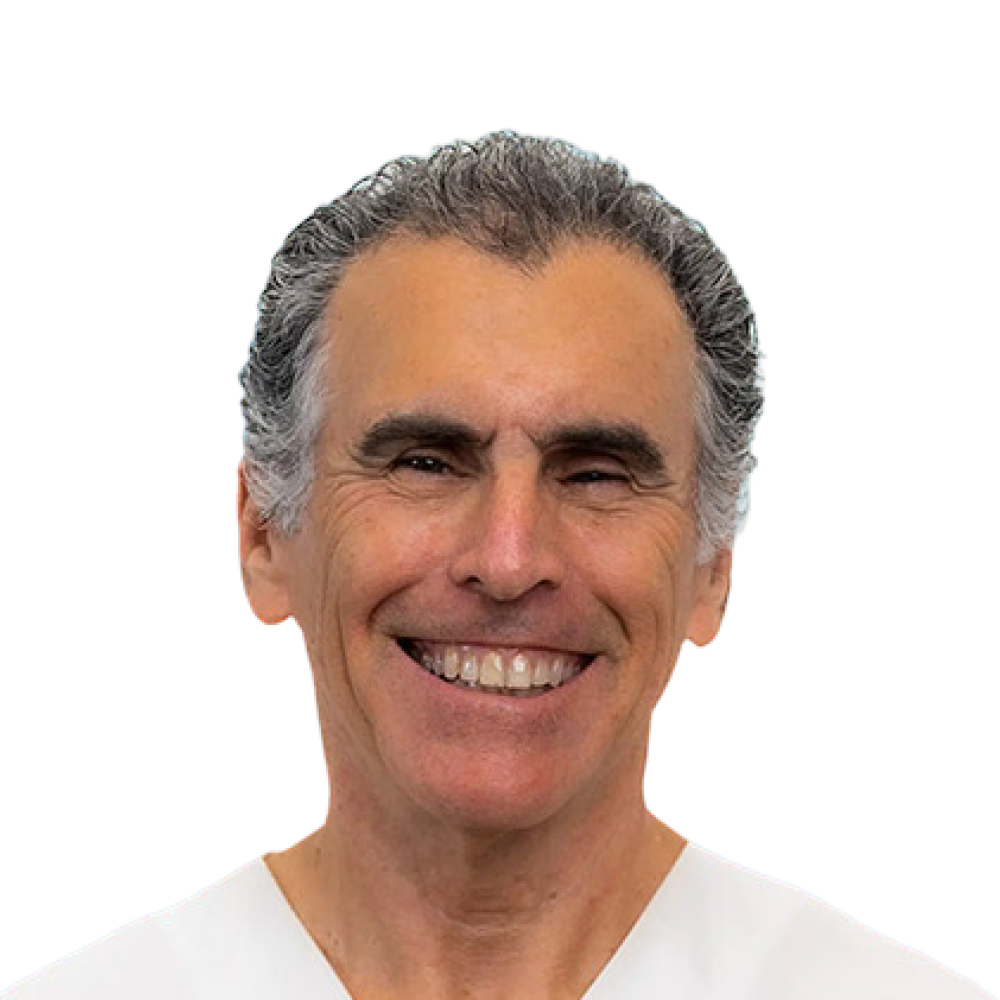
Dr. David B. Kagan, founder of Dental Care of Boca Raton, has dedicated his career to making dentistry a compassionate experience, driven by painful childhood dental visits. For over six decades, he has emphasized a minimally invasive, patient-centered approach while examining over three million teeth and investing in advanced dental education. A graduate of the University of Maryland and the University of Medicine & Dentistry of New Jersey, he has practiced in South Florida since 1983 and has been recognized in various media for his contributions to dentistry. Outside of work, Dr. Kagan enjoys traveling, yoga, and family time with his wife Juli, a dental hygienist and yoga teacher, and their son Zachary, a neural engineering expert, all of whom are published authors.
Done learning and want to get started?
Book a demo