

Seamless Case Acceptance
How AI Simplifies Patient Decisions
Transcript
Let's dive in.
Great. So my name is Sheela Roth. I am head of clinical education here at Pearl. Again, thank you for spending time with us. In today's webinar, we're gonna talk about seamless case acceptance, and how AI simplifies patient decisions.
I'm very excited you chose to join us. Doctor Gantos has a lot to share with us this evening. Getting patients to say yes to treatment plans is always a challenge, but AI powered digital tools are transforming that process, not only having more patients say yes, but they're accepting their dentistry, earlier. So that's less invasive for the patient.
By using these AI driven visuals we're gonna walk through tonight and a few other, AI solutions in the dental space, we can help patients better understand their oral health needs, accepting treatment more often AI I was saying, creating more trust, and ultimately better outcomes. So today, we're gonna walk through some steps on how that looks and how that can look for your practice. I'm delighted to cohost this webinar with our wonderful partners, Oryx. And joining me tonight is Sydney Chick, the director of strategic accounts at Oryx.
Sydney, go ahead and, say a few words for the team here tonight.
Yeah. Thank you, for partnering with us and allowing us to cohost this with you all. We love doctor Gantos. She's my hero as well.
So we're excited to hear her story and her journey where she's incorporated such amazing technology into her office. So I would say we definitely have an expert on this call who's, really mastered the art of incorporating amazing technology and providing great results for their patients. So I think we're in for a fun treat getting to listen to her stories firsthand tonight. So thank you again for having us.
We're excited.
Excellent. And thank you, Sydney, for joining us. And without further ado, let me introduce doctor Gantos. And I got to meet her a little while back when we were talking about this webinar and such a joy. So you guys are in for a treat tonight. And the most important part, I think, is her stories that she gets to share with us this evening and how, she's gone through incorporating AI and how that's worked with her practice and her patients. So we're incredibly fortunate to have doctor Meredith Gantos with us.
She is a highly respected clinician and a thriving practice. You can see aren't you in your practice right now, doctor Gantos?
I'm in my kitchen, but it looks like No.
I was like, this This is what my practice looks like.
Beautiful. This is gorgeous. I love this. Well, I'm glad you're in your kitchen, but that power of technology.
I'm in the kitchen.
That looks so nice there. Okay. So I was fooled, by the way. Have it's probably AI. Right? So helping us Yeah.
Everything. But you are in Naperville, Illinois AI in sedation, surgical, and cosmetic dentistry, a master in the academy of general dentistry, and a master in the college of sedation. So that's quite a lot. Very big accomplishments that reflect her dedication to advancing patient care.
Doctor Gantos has fully embraced the digital workflow in AI. She's passionate about helping other doctors do the same. Today, she's going to be sharing her experience about incorporating AI into the workflow and how it's impacted patient communication and case acceptance.
Doctor Gantos, thank you so much for joining us. Let's go ahead and dive in.
Thank you. Thank you. Thank you for having me too. You know, I was, real quick, I was reflecting obviously, knowing that I had this later today, I was thinking about it earlier in the day, and I was thinking how, you know, how great it is to be able to share some of this, especially because a lot of times when we're talking about technology and things like that, a lot of times it's AI someone who has the luxury of seeing, like, one patient at a AI, new patient exams are three hours, and I certainly practice in a very, real setting.
Right? Like, I'm managing lots of patients. We're moving quickly. So, I'm really excited, and thank you for having me to be able to kind of, you know, share what it's like on, you know, the ground level with everybody.
Certainly, I can relate to, I think, probably a lot of people watching this.
So Yes.
Absolutely. We we are so thankful just to have, like you said, kind of boots on the ground. You're not just running around speaking about AI. You're actually incorporating it on a daily basis and sounds like in a pretty busy practice.
So I'm I wanna start here. Also, remember, whoever's here, feel free to put your questions in the chat because, we wanna make sure that we are answering everything that you came, to find out.
Okay. So let's get started.
Tonight, we're gonna cover a little bit about what AI is, how AI is being used in dentistry, how we're using it for case acceptance, the clinical performance we're seeing, as well as where are we heading in the future with, AI and Pearl's capabilities inside of ORIX.
So what is AI? We hear about it everywhere. Right? It's on everything.
You can't even watch a commercial without hearing about AI.
We've all been using AI for a very long time. We just don't actually know that it's actually AI.
So using your phones, you know, facial recognition, those kinds of things.
And when we simplify AI, it's AI system that we teach it to solve problems. Right? So now that's very simplified. It takes a lot of data, a lot of performant models, and a lot to generate these, incredible features that AI can provide. But it really is the ability to do simple tasks that humans have trained it to do.
I think that's important to understand is a lot of data is input, like a lot of digital radiographs. A lot of training, like thousands and thousands of dentists have learned, have taught, I'm sorry, the, algorithms. And the output is what you're gonna see this evening where when you take a radiograph in real time, you will see, as far as radiological AI, how this is going to be, the models working in real time, identifying different pathologies on your radiographs.
So like I was saying before, AI has AI snuck into our world, whether it's computer vision with, facial recognition. I know my son was telling me he can go to a football game now, and he can order a hot dog by walking up and getting whatever he wants and not having to even use his wallet. So I see that as convenient, although some people think that might be kinda scary. So we're gonna walk through some of those instances where, you know, incorporating new technology has a learning curve and has a little bit of a fear factor, if you will.
Autonomous vehicles, something completely new. Some of you have actually probably been in an autonomous vehicle. Doctor Gantos, have you?
I think I have. I think I've been in a Tesla that drives itself.
Oh, I'm AI scared. Although, I'm I don't know if I'm a better driver than the the vehicle itself. But and, again, moving into natural language processing. Right?
We've used, those of you that use chat GPT, Siri, all kinds of things they're using on a daily basis. Lastly, predictive analytics. We use them now in basic things like jumping in the car and using navigation. But what about if a radiograph, that we looked at a few years ago, we're looking at those incipient lesions, and we're trying to predict when that enamel you know, when that cavity is gonna move through the enamel, right, into the dentin.
What if we had predictive analytics to help us out with that? And that's really what we're looking forward to in the future is more data to give clinicians to make better decisions.
So what is AI doing in dentistry now? You're going you've probably heard about it a lot. Enhanced scheduling, diagnostic assistance, insurance verification.
This really helps streamline workflow and staffing. There's a lot going on with even hiring. Right? People are using AI to review, resumes, and to verify insurance. And tonight, we'll talk more about radiological AI. I think on this call, we all agree that the quality of dental care begins with that first X-ray analysis.
And as we move through this evening, I just wanna share with you some of the capabilities that AI has to offer your team from periapical redundancies to notable margins, bone level measurements from CEJ to bone crest, completely AI, and increasing color based on severity.
You're also seeing calculus boxes, impactions.
And, again, you're going to see areas of caries, two different colors. So for those of you that have never seen AI, this works in real time on your existing images. So we're gonna play a game, and we're going to pretend we're not in the office, which hopefully you're not, trying to get a patient numb, do a hygiene check, answer the phone, call your spouse back, pay some bills. Right? All those things are going on while you're trying to, like, review this patient's X rays because you're running to do an exam.
Today, we're going to just relax and review this radiograph AI most doctors do that are not in dentistry. Right? They go to a radiologist. The radiologist gets to look at an X-ray, and then they send their information back to the surgeon.
Well, in our world, the dentist does it all. Right? So that's hard to do. So how many areas of decay?
What do you guys think? We'd love for you to put this in the chat. Kimberly, if you're around, we'd love for you to call out those numbers for us. How many areas of decay?
Now I'm not asking how many teeth you're going to fill, but how many areas of decay do you see on this image?
Any answers yet?
Doctor Gantas, you're Nope.
That's oh, here we go. Six. We've got a couple votes for six.
K.
We need some more votes. Eight, we have another vote for. Six seems to be popular. Seven, AI, seven.
Right. And these are our stellar clinicians. Right?
AI point five.
Six point five. That's awesome.
These are our doctors that are spending their free time after work or at work, right, coming for, more knowledge and more information.
So these are our our top doctors, and yet we still see a little bit of inconsistency, right, which is fine.
The AI said that there were seven areas of decay.
So that's very interesting. Right? Now I want you to just AI put this together very quickly. It's nice when you're looking here.
Now I know you guys are all probably wanting to chat and say, Sheela, I don't have contrast and Zoom and, you know, all those things that we all use. But at the same time, this is so helpful, so much easier. You can quickly turn this off to make your final diagnosis. Right?
Well and and to speak to that, right, how much do you wanna sit there having to Zoom, having to clarify, having to change contrast to your point when you're trying to work efficiently, but also really, really accurately, right, which our patients deserve?
How nice is it just to be able to kinda turn that button on, see it, turn it off, verify it, right, and, you know, not have to sit there and second guess yourself and change all the settings and you know? I mean, that's what you want. Right? We wanna work efficiently, but also be really accurate for our patients.
Absolutely. So when you're reviewing radiographs, how many patients are you kind of, I guess, juggling, you know, on average per hour? And how often like, how fast is your radiograph review? Right?
You're like your own computer. You're your own AI because you the way you analyze is, like, left to right, go through the full FMX. Right? So tell us a little bit about how AI has maybe helped save you time or also maybe pointed something out that maybe either you disagreed with or maybe you thought, oh, I'm glad that's there.
Patient came for a toothache. I wasn't looking at number three. I was looking at, you know, number thirty, and there's a an incipient lesion there.
Right. I mean, there's so much I, like, wanna say, and I know we have a full webinar, so I'm gonna Yeah. Exactly, AI, go ahead. Go right ahead.
But, yeah, you know, for us, it's one of those things. You know, I I've shared this before with other people. I really am a tech geek. Right?
We have five excess mills, three excess mills. I've got five three d printers. Every, you know, type, we've got four scanners. We've got, you know, hard tissue lasers.
We've got all the things. And I love those toys because they help make me maybe more efficient or more accurate or things like that, but they're all redundant. Right? If I don't have a scanner, I could still take an impression and get a really perfectly fitting crown.
If I don't have a three d printer, I don't have a mill. There's still workarounds to get to the same finish AI. And the thing I love about the AI with the X rays is there really is no other workaround. Like, yes, I can interpret it with my eyes, of course, but to have that free second opinion, to have a way to empower our team, particularly my hygienist, to have the conversations before I walk in the room, to diagnose, to talk about prevention.
You know, I saw someone, comment in here, that some of these are incipient. I wouldn't necessarily do them at this time. Me neither. I totally agree with that perspective, and I'm really glad that, you know, you would say that because we would treatment plan very similarly.
But the beautiful thing in ORIX is I can chart if it's into enamel, if it's into dentin, deep into dentin. I can track that. I can hover over that lesion, and Pro will tell me the depth of penetration through that enamel. Right?
And that's super powerful because this is a patient I can talk to about prevention plans. I can make a customized treatment plan. We could talk about basic bites. We can talk about CTX products.
We can talk about why are we getting these incipient lesions. How do we, you know, treat these, prevent these? I can build value with this patient. My hygiene team can build value.
We can help them because, ultimately, we don't cure anyone of cavities. Right? We treat cavities, and that's a really different dynamic for our patients. So the less I have to drill these teeth, the more I can empower them to, you know, remineralize AI enamel to keep things that same size.
That's the best service I can do for this patient, but that's also how I build trust and a rapport. And that's how my practice grows without having to market and having to overtreat and overdo things. Right? Patients see that and they feel that, and it it's so authentic.
You know?
We just had a couple weeks ago, and, actually, I saw my hygienist who saw this patient is on this webinar, so shout out Megan. But we just had a fantastic Google review from a new patient who literally said that, he is purposely going to an out of network provider to come to our office, and it was the best new patient experience because of the level of education and this whole process because she took the time to go through the X rays to review, hey. This is what this means. This is what we do. And he literally said, like, we needed to teach a course, which I thought was really funny on how to do this stuff.
It's literally one of, like, our most recent Google reviews, but it just builds that trust with the patient.
And, again, we are have, you know, the luxury of taking routine X rays. So I always say to patients, hey. This is what we're seeing now. It means you might be a little higher risk.
So we're gonna go ahead. I would prescribe that in another six months, we take these. We don't wanna wait twelve months and have this become bigger. Right?
And they understand why we wanna prescribe that. If their insurance doesn't cover it, they understand the value of why it's meaningful for their mouth and maybe not their spouse's mouth.
So, again, it's just really helping create that personalized, customized care for patients.
And I totally didn't answer your question, which was about navigation and managing multiple providers and things like that. But in our office, we actually look at the X rays with the AI on first, and then we turn it off, which might sound counterintuitive. And I suppose if I really wanted to, like, test myself every day, I would do it the opposite way right and be like, oh, did I catch that? But, again, I'm not playing games.
I don't have time for that. I'm managing three hygienists. I'm managing two restorative rooms. I'm running the business.
I'm running like a chick with my head cut off. So I just wanna look. Give me the data. Let me turn it off and verify.
Right? Because at the end of the day, I'm still the doctor. I still have doctor Brain. There's always gonna be angulation or certain things that I may wanna take into consideration.
Maybe I wanna look at the previous X-ray. Maybe I want another angle.
But it definitely makes the visits more efficient because at the end of the day, my hygienists know I wanna be able to walk in, smile, look cute, seem like I'm spending a lot of AI, but, really, they've done the legwork, and I'm just cosigning the things that they said, and then I wanna be able to walk out. And if that hygienist has talked about fluoride because we have incipient lesions, they've talked about products, they've talked about Curadont, they've talked about how we wanna manage that radiographically moving forward, I just get to say, yep. What she said, and then I get to walk out.
I love that. I know. For me, when I was practicing as a hygienist, there was such a great relationship with that handoff. Right? If I had some time ahead and then you came in, and I'm like, okay. So my patient Kendall here has been, living on Gatorade for two years now.
But I think there's an interesting perspective that was brought up in the chat, which is really important to really lean into here, that when we're highlighting pathologies, there are two colors for for the exact reason of incipient, enamel only, and progressed into the dentin. And I'm so thankful that somebody said they wouldn't fill all of these. This is actually my best friend's daughter. So she had come from a pediatric office, came to my practice that I used to manage, and was like, what is wrong with your practice?
They're crazy. They said that my daughter had so many cavities. And so, of course, let's turn this back around. Right?
This is what we're showing our patients every day. Right? How many think do you think the patients have any idea? We have all sat here, myself included, and said, do you see this beautiful white enamel?
Do you see this gray thing right here? Right? Or we're circling it or we're, like, standing close to the to the monitor and as if they've taken radiology. Right?
So how many areas do we think the patient saw? I think this is probably pretty accurate. Right? Patient didn't see anything.
They don't feel anything. In fact, this patient didn't even believe us. So I love your story about the new patient because, you know, when we're talking about new patients, we really kinda have to focus on infusing trust.
And when we look at this and we think about forty percent of patients, they do not trust the dentist.
That's very alarming still with all the new technology, but the same thing is patients don't understand X rays. Right? Sixty four percent of patients say they don't understand their X rays. So being able to have new patient visits where you are educating them, you are simplifying areas of concern, really kind of infuses that trust back into the patient.
So how many areas of decay do you think your patients would see now? Right? And this is how you're presenting the dentistry. So I love what you're just saying.
Those of you that wouldn't fill these areas absolutely agree. This would be traumatic. This patient's twenty years old. We're just growing them up to be crowns at this point.
Right? So we have to slow down that disease progression. And, doctor Gantos, you said it yourself where this is a perfect hygiene flow, cured on or, you know, by the time you walk in, you say, yep. We were maybe gonna do that one on the lower right.
There's a small little area here. You can see, Kendall, that this has actually turned darker pink. We're probably gonna need to get that one, but let's take a look in six months, see how your flossing's going. Right?
So it really kinda brings that case presentation to a simplified and really next level.
So I think that was really one of my questions was AI think you've already told us here that, you have the AI on and you turn it off, and I love that because AI really simplifies, AI.
I sit down. I'm gonna look at everything, and then I go, yes. Okay. I'm ready to go see my patient now, which your hygienist is already warmed up. Anything else you wanna share with us on this?
Yes. I do. Sorry. So into, there was a great comment in here that, said AI noticed Pearl seems to be rather aggressive.
I wouldn't use the term aggressive. I don't think it's aggressive, but it's very sensitive. So, yes, Pearl is very sensitive to identifying changes in the enamel, which, again, as long as you're not a sociopath, right, and you're not gonna drill all this healthy enamel in people's mouths, it's not really a problem. It's an advantage because you can, again, build that report to patient, talk about prevention, talk about, hey.
You gotta get flossing. Right? We've gotta, you know, get you on maybe a higher prescription toothpaste. Maybe this person's not using, you know, nano AI or fluoride.
Maybe they're using, you know, god knows what random thing off Amazon. Right? And you get to have a come to Jesus moment with this person and be like, you you're gonna you're gonna ruin this. You're gonna ruin all these beautiful teeth for us.
Stop doing this. Right? So it just really, again, helps us communicate with the patient.
One of the things, that I really also love when it comes to the diagnostics and treatment planning is it takes something that is subjective and feels incredibly subjective to patients. Right? How many patients do we know where I see in the mom Facebook group where they're like, I went to one dentist, and they told me I had five hundred million cavities. And I went to another one, and they said my teeth were perfect.
And, you know, there's, to your point, feeling that dentists are AI used car salesmen. They don't trust us. They think we overtreat. They think we pull it out of a hat.
Right? What doesn't doesn't need treatment in every office they go to? They'll just find someone to give them whatever answer they want versus, you know, a real answer.
And so to me, that's one of the really valuable things about AI and this type of technology is it takes something that's subjective, and it makes it much more objective to the patient. And instead of me interpreting their X-ray and saying, this is what I think and this is what I say and this is how I feel about it, and you should believe me even though you can't differentiate between these shades of gray. Right? It says, I just become the messenger.
I just say when we talk all the time, we always hear the term AI diagnosis co diagnosis. Right? It's really co diagnosis because it's me saying, I'm not the bad guy. I'm not saying anything.
I'm just walking you through what the story is showing, and this is how we address that. If it's still on the enamel layer, this is how we address it. If it's through that enamel layer, if we turn on the colors and you can see it's all the way into your nerve or there's, you know, a blue periabical lesion. Right?
I'm just reading the story to them and walking them down the road rather than putting my own subjectivity, and that really changes something for patients. It changes the entire, you know, discourse. Right? It changes the whole conversation because it's less about them being defensive, like, well, I don't believe you.
Well, I never had cavities before. Well, that makes no sense. My teeth were perfect to, yeah, I see that. It's irrefutable.
Right? And we, for whatever reason, good or bad, all have this belief that a computer or AI technology is somehow superior to the human brain anyway, so we trust the AI much more. There's times where patients, you know, patients of my practice, I don't love necessarily pedes. I don't do a lot of pedes, and I try and get them to go elsewhere.
But, you know, they'll take their kids somewhere, and they'd be like, oh, they told me I had all this stuff going on with with my kids. And I'll be like, you know, I'll be the experts. I'll run it through my AI. And I'll do that, and I'll be like, yep.
Their teeth are terrible. Sure is. Like, here you go. They weren't AI. You know? And it's great to be able to do that for patients and, again, kind of build that rapport because whoever they're seeing doesn't have the AI to show them that.
And literally, all it takes is me running it through ORIX on the AI and be like, nope. See all that? That's all cavity. Yep.
They need lots of treatment. You're you're good. Go ahead and get it done.
There was one more question too that I just wanna clarify because it's a beautiful feature about it as well, which is are you able to quantify caries changes over time?
And, yes, it does. If you hover over that little pink, it gives you a percentage of depth of penetration through that enamel layer. So you can compare that radiographically to see, is it getting bigger? Is it getting smaller?
Again, like, logic brain, angulation will make a difference. Right? So keeping in mind that, you know, if your contacts are completely overlapped, that's gonna be different. You may ask the provider, you know, the clinician, hey. Can you open that contact for me so I can actually really compare it? But absolutely and that's a great feature to show patients too. There's times we're watching something, it's getting bigger, it's getting bigger, it's getting bigger, and you can illustrate that to the patient and show them that.
Yeah. That's a great point too is we wanna be able to use our comparison images. And, also, within that last image we saw, it's easy to compare areas we're gonna watch versus areas we're gonna treat because they're two different colors.
Like, patients are starting to come in now and say, I hope the light pink ones haven't turned dark pink.
I've been flossing. Right? And that's what you want because then they're better informed to make their their own decisions.
So I think that's crucial. How many areas of calculus do we see in here? Any anybody wanna guess real quick? We'll go through this a little bit faster.
This is where I think, you know, hopefully, as a hygienist, you're not taking this X-ray post op, after scaling and root planning. But really where we AI of focus here is new patients coming in. What do you mean I need a deeper cleaning or I have four visits or it's eighteen hundred dollars or I need anesthetic? Right?
It's very foreign to them a lot AI times, and hygienists have to do a really good job infusing trust. When you look at those Yelp reviews, they talk a lot about deep cleanings and how it really freaks patients out because they've never heard of a deep cleaning. Right? So, Kimberly, what is a couple of the answers here we're seeing with the calculus boxes?
We have some fives, some sixes, a seven, and they're still coming in. But so far, an eight.
Alright.
So we have six here that the AI has picked up. And, doctor Gantos, as far as, like, scaling and route planning, with this detection itself, does your team focus on using this chairside with the patients? How do you deal with, I know we're gonna get into bone levels in a moment, but as far as just identifying calculus and such for your hygiene team.
Yes. Absolutely. It it's certainly you know, the thing that I noticed, and maybe it's specific to my office, my hygienist, I don't think it probably is. But one of the, you know, great things I noticed in my office is my hygienists, understandably so, were always very timid about talking about radiographs and interpreting.
Because at the end of the day, it's doctor's job. They're gonna cosem whatever doctor says. So I always had a little bit of a challenge when it came to trying to kind of build their confidence on talking to patients about this stuff and pointing it out. And, when we integrated Pearl, it was like a night and day difference.
I mean, they are so confident when they talk about this stuff. And I think, again, it just really it's not that the AI sees things that they don't. They were seeing it. It's just that extra confidence boost to say, okay.
I know I'm right. I have the second opinion. I have an easy way to show it to the patient, and it's that just extra confidence to say, I can go ahead and show this and talk about this before doctor even cosigns it, before I have to run a doctor's office and be like, okay. I think this is SRP.
Is this you know, they it helped enable them to really, have that autonomy and and and have that confidence with patients.
Excellent. And Yeah. From an insurance standpoint too, it's also really AI. Right? Because I can take a screenshot of that.
And if that kicks back from the insurance company, I can say, woah. Woah. Woah.
Woah. Like, that's funny you said that because, you know, check this out. It's and, again, it's not me saying an insurance company. It's AI.
Absolutely.
I love that.
So when we look back at the history of modern dentistry, we can see these, various technological advances that have really pushed our industry forward.
We moved back from braces, toothpaste, high speed drills. I mean, all of us probably remember back in the day. Well, maybe not all of us, but, you know, before digital X rays. And now we're at a place now where we have digital dentistry, you know, digital scanning.
So we really see AI as really kind of next level. And over the next five years, feel it's going to be incorporated as one of the main utilities in dental practices. So turning on your air, water, suction, and AI is gonna be really commonplace soon.
So you talked a lot about, patients that, you know, go to different practices. I'm sure we've all experienced where they walk in and they have this laundry list of, you know I went to this dentist down the road, and I need I'm here for a second opinion. Those are always my favorite because, in my practice, probably very similar to you, our doctors are very ethical. And it was great to say, yes. You need these three, but you don't need these two and never throwing another doctor under the bus. But having AI as a built in second opinion is huge. The clinical inconsistency is for sure the foundation of distrust in dentistry, which is a bummer like you were saying with the mechanics.
I'm gonna go over a a story here in the middle. There's a lot of research on our website, if you guys are interested. But we took almost nine thousand images, and we took three different doctors. One was a radiologist and two were seasoned clinicians. And we just had them circle cavities on the X rays. You know? They could only agree about four point three percent of the time.
And that was very interesting. And it wasn't, are we gonna fill it? It's just, is there a cavity here? Right?
But what I found most interesting was these same clinicians came back ninety days later, looked at their same images, and they only agreed with themselves seventy percent of the time. Right? So that happens, and it is nice to have the second set of eyes. I think it's important to remember this as a full team tool.
I remember in hygiene school, it was AI, you don't diagnose. They, like, tell you that, like, when you walk in the door every day. Although we're looking at X rays probably way longer than most other clinicians because we we get the joy of having our patients for a long time. So, I love that AI is helping hygienists not only confirm areas from a, periodontal perspective, but, also, it's really kind of empowering them to have those conversations about incipient lesions. And, imagine that image we saw earlier, if we don't arrest that decay, that patient is gonna have those same cavities restored again in twelve to eighteen months. So, it's important that we see this as your team supports you, and it's up and ready for you, like doctor Gantos is saying, as they move into the operatory.
So when we look at case presentation, we really do kinda take it from night to day. And those incipient lesions, again, are great to keep an eye on. Great way to build your practice by saying, I'm not gonna fill these light pink lesions. In fact, those of you, that are feeling that it may be aggressive can actually suppress those throughout your entire organization.
So you only see the dark pink lesions. But also knowing that patients wanna see that. They wanna know that you're not gonna fill all of those. In fact, that patient earlier, they only filled one tooth.
Right? So I think one of the myths in AI is that it's diagnosing for us. So I'm gonna turn this over to doctor Gantos because, it's important, I think, to level set on the expectations of accuracy as well as, you know, when we're talking to our patients, is there a fear factor that, oh, okay. So the AI is just diagnosing, and you were in Hawaii, and now I have to do three cavities on Tuesday.
So tell us a little bit about accuracy and also your own feelings about the AI replacing a dentist from a diagnostic site?
Yeah.
Those are great questions, and I think those are very common, reservations or questions that, honestly, a lot of people have when they're considering this type of technology.
You know, what I would say and what I consistently say to people is, if you're looking to not do your job and that's your motivation for, you know, something like Pearl and and AI, that's that's not what this is for. Right? If you're looking to say, I'm gonna have my assistant turn the AI on and read the X rays, and I'm gonna, you know, sip my tea in my office, that's not what this is. Right?
They're still doctor brain. You're still looking at, again, angulation, I think, being the biggest thing. Also, just the bone trabecular pattern. Right?
Sometimes that can be a little tricky looking at I mean, whether it's AI or not, different, you know, periapical lesions, AI PDL, things like that. You're still using your brain. Right? Is this an apical scar from an RCT that's been the same size for a hundred years?
And maybe is it really, you know, an issue and something we just want to watch, versus, you know, an active, you know, infection, right, or something that needs treatment? So there's always still gonna be doctor brain interpreting, understanding, knowing when you wanna say, hey. Can you open up that contact for me? Right?
Can you get that from another angle? I wanna double check that I'm really viewing that in an accurate way.
So it certainly doesn't replace the doctor. It's an enhancement.
You know, I I think I shared with you kind of privately. It's almost embarrassing to say out loud. I'm gonna say it anyway. There are times because I look at the X rays first with the AI on and turn it off.
There are times sometimes where there's a periodical radiolucency, and it's there, and the eye catches it. I turn it off when I see it, and I have to AI second guess myself. Like, would I have seen that? Like, I think I think I would have.
I think I think I would have caught all that. But to your point, sometimes when you're moving quick, you're managing stuff. Some of those can be a little tricky. There are definitely times where I'm like, really glad that I look at that first AI I'm pretty sure I would've caught that, but it's just really nice.
I don't even have to second guess it. You know what I mean? Absolutely.
And you can, if you're wanting to show a patient in exit and you're like, oh, I don't agree with this. I really don't want them to see this. You can click it and turn that specific item off. So I can say, no.
This is invalid. This is I don't really think this is a thing. I wanna hide this but show everything else on the x-ray or something like that. You are able to do that.
This little picture here where it shows the enamel layer AI, the nerve, I love this, and I use this a lot for patients, particularly when we're talking about, possible root canals or for sure, root canals. Right?
It's super duper helpful to explain the depth of a lesion and how it approximates the nerve, especially if they're asymptomatic. Right? Because a patient in pain, that's an easy patient to treat and diagnose. All they wanna do is get out of pain, whatever you tell them.
Right? They understand, okay. Yes. There's a problem. But when someone's asymptomatic and they have a lesion that's really near the nerve, that can be sometimes challenging for people to understand.
Right? Well, it didn't hurt before you touched it. You know? Well, you know, I came in thinking I was getting a filling.
How did I end up with the root canal and crown? Right? So being able to have those conversations ahead of time to say and really show in a way that people understand that, hey. Listen.
I know it's not hurting you now, but I want you to understand the depth of this of this lesion, how it's approximating to your nerve. There's a really, you know, strong possibility that when we remove that, that can be so close to your nerve that your nerve doesn't react favorably. That's the case. This is what that treatment looks like.
Right? You can preemptively have those conversations.
So if you are able to just get a filling in there or, you know, not have to go full root canal crown, you come out a hero. But if you're not, it's also not an upset patient at you. They knew that. They understood that.
They consented to that. They visually saw that it's not like, oh, the doctor drilled too deep. You know? I don't know.
I'm sure everybody's heard that at some point in their life when they're, you know, talking bad about AI they switched off as, oh, the doctor drilled too deep, and I had to get a root canal. No. The cavity was there. Like, the doctor took out the cavity.
Nobody's, like, drilling with a blindfold on. Like, that's how that works AI. But it's about having those conversations, illustrating that upfront.
So I really love this view in particular, and you can toggle off and on. So, you know, looking at the screen, this is exactly what it looks like in Oryx. That little AI button will turn perfect. Yep.
It turns it pink on the black. That's that first button. And then when you actually, hit that bottom button, you can show all the different colors, and then you can turn it off too. Right?
So we can look at all the all the different tools to be able to show patients.
Yeah. And one thing to I think we could have you back for a webinar on just what a wonderful job you do with setting expectations with patients. Right? And a lot of associates I worked with, they they wouldn't feel comfortable talking about.
This may or may not become a root canal. Right? As if as if that's a scary conversation, but I think that's important. Like, consumers want to know, and patients need to know what is happening in their mouth.
And a lot of AI, using these very simple pictures helps them, understand these expectations.
Now inside of Pearl's second opinion, which fuels the AI, that is a standalone product that, you would just use a password to log in to. What we love about our native integration partners is there's no extra step. So Oryx has done such an incredible job of allowing the clinicians to not have a new workflow change. You're in your same system.
You have your imaging ready to go. You click on the patient, and it's two buttons, AI on or off, hover over if you don't like the detection, and the tooth parts. Like, a lot of teams just say, make sure this tooth part section is on with the when the doctor comes in to do this exam. So I love that Orrick spent so much time really focusing on beta testing, figuring out what their patients wanted.
They use a lot of feedback, and they moved into creating this incredible, integration where it's truly seamless. Right? You don't have to go outside of your imaging system, close it down, open something up. So I think that's really key to make sure those of you that are interested in ORIX, that are using ORIX are aware that it's very easy to just get Pearl turned on so that your teams can start experiencing this.
AI think that's one of my questions for you is, what are the benefits of having it right there for you, and how has it helped you kind of overcome goals, or overcome challenges and achieve some of those goals, maybe case acceptance, that AI of stuff?
Yeah. So I, oftentimes reflect on the fact that I feel like business ownership is a constant exercise in efficiency and accuracy. Right? So the doctor part of me is all about how can I be more accurate, and then the business side of me is how can I be more efficient? So anything that takes both of those and combines them, that's how we're able to serve more patients without sacrificing quality, right, but also with increasing our profitability.
When, again, you make it a sub you know, an objective third party independent, I'm walking you through the story. Here's what the story tells us. This is what we do with this information.
No one says no to that, right, outside of financial reasons, which okay. Understandable. If you can't afford, you know, crowns upon crowns or, you know, whatever the treatment is, well, let's break that down. Let's figure out how to make that afford right?
Like, let's prioritize AI let's figure that out. But outside of, like, phasing things from an affordability standpoint, it really negates the, the doubt. It negates the, well, I don't believe you. And it's funny because, I mean, there's patients in my practice sometimes where you know, I hope everybody has this.
It's not just me, but where I'm like, you literally hate my guts. Why do you come here and torture me and torture you? Like, you don't believe anything I say. You don't like me.
You don't like being here. Why do we do this? And it's funny because I've had, you know, not a lot of patients like that, but I have had a couple of those patients. And there was one, she was, you know, middle aged, has never had a cabin in her life.
I told her she needed four restorations.
And she was just very upset about it, very grumpy about it. It was just like, well, my old dentist never said that.
Okay. Well, a, I don't why did you leave that person? Go back. Like, you clearly hate me.
And, you know, hold up, Pearl. And I and I explain to people, listen. You have full autonomy. I'm not nobody here is gonna, like, strap you down in this chair and start drilling in your mouth.
My job is to give you the information to be accurate and make sure that you can make a well informed decision. Right? After that, the burden is on you to decide what you do or don't wanna do. And begrudgingly, you know, pulled up the X rays.
I turned on Pearl. I showed her what we do treat, why we recommend it, what we don't. Right? I'm showing the enamel layer.
I'm showing some beads symbiotes to say, you know, we don't treat these because these are you know, I'm going through the whole spiel.
And although she hated my guts through every ounce of it, right, she came back. She got all those fillings done because, ultimately, she understood that despite her wanting to, you know, be combative and aggressive and upset about it, like, at the end of the day, I wasn't lying about it. Right? She could be as mad as she wanted about the whole thing, but that was just the reality of what the situation was.
So I think from a profitability standpoint, achieving those types of metrics and goals, it's it's a no brainer. I mean, if you help patients understand the need for one extra filling, it's paying for the software alone, which you're gonna do infinitely more than that. But when you're talking about even goals or things like just managing a patient load, I, as a single provider, manage an ungodly amount of patients that I shouldn't be as a single provider who doesn't even work forty hours a week, but it's because we have efficiencies and it's because I have a supportive team. It's because I have really competent, confident hygienists who I can really co manage well with.
Right? I'm not having to overcompensate for someone not carrying their weight.
Right? They are super comfortable and confident with both ORIX and the charting, the AI, the pearl. And so that really helps me be able to manage a really, you know, large patient population for one provider, but do it really thoughtfully without sacrificing quality.
And, also, obviously, that turns into profitability.
So, certainly, I think it just helps us serve more patients with quality care that they need without making us the bad guy.
And have you had any, patients concerned or worried? Or a study tells us that eighty seven percent of patients prefer to go to a dentist with the latest technology. And I think in the near future, we're probably gonna have people asking, do you use AI?
Of course, I work for Pearl, so I feel that way. But, my question for you is, sometimes doctors wanna know, do the patients think it's weird when you have AI?
Our patients are our patients love it. Now granted, my patient population is probably skewed because it's not just AI. Like, I'm definitely a very modern tech heavy practice, so I'm sure my patient sample is probably a little skewed in this regard. Our patients love to see it.
Like, they ask to look at it. They ask to see it. They love to turn it off and on. They think it's fantastic.
They totally buy into the experience. They really love it. They value it. I'm kind of with you.
Sometimes I'm a little, like, bougie about it when someone's talking about, like, oh, I went somewhere and they diagnosed all this, and I went somewhere. And I'm just like, oh, they don't have AI? Oh, AI don't know. You should probably find someone that has AI that can just, you know, take the subjectivity out of it for you.
Right? So I love being able sometimes to just say that to patients. Like, oh, they don't use AI? Really?
Because, again, it just it's cheeky. It builds value, but it just takes that level of human error, you know, perceived by patients out of it. Right?
And and to kind of backtrack and speak to that native integration, of course, that makes it super duper easy.
It's really streamlined. It's very quick. There's not, like, a really long lag or wait time or anything like that, which I really appreciate.
When it very, very early on first got integrated with Oryx, we were early adopters. We jumped right in because, quite frankly, AI been looking at AI prior, and it wasn't integrated. Right? It was an extra step. It was an extra everything.
And so at that point, I didn't adopt it. So when it was native, I was like, heck, yeah. Sign me up. I've been, like, drooling to do this stuff.
And very, very, really early on when they were sorting out some of the kinks, you know, we would have a couple days here or there in the very beginning where maybe it wasn't registering right away or wasn't working right away. And literally, my hygienist and I, after probably, like, two days of using it, it wasn't even a wasn't even a lot. If it didn't work immediately and perfectly for us, we were like, cancel the patients. Like, we don't even wanna work today.
If it could AI that working, we're out. Like, we are not doing this any longer. So definitely having it integrated, it you really get spoiled with it. Like, if something were to happen and it works really falsely now, but if something were to glitch or happen, I would literally just not even wanna treat the patients.
We're not doing X rays today, guys.
Just cancel. Right. It you definitely become reliant on it. That's for sure as far as just that second set of eyes.
It's like spell check. Right? I don't agree with everything spell check does for me, but I'm really thankful it's there a lot of times. And same with Siri.
When I tell her to do send text messages, I'm always reading them. Right? Or read it back to me, Siri. Right?
And the same thing with having AI as far as a diagnostic tool. I think this is an important question about, sounds like you already answered it, though. You were already pretty excited about AI. What would you tell team members that maybe or even, doctors out there that might be a little hesitant?
AI be good to look in our chat too and see if there's some questions about that. But, most clinicians that I worked with in the past when I first started a pro four years ago, it was, do I really need AI? And now it's, which AI company am I gonna go with? So you were kind of excited about AI. Have you talked to colleagues, that were are a little bit nervous? Or what would you say to someone who's a little concerned about incorporating it into their practice from workflow or, again, back to just those myths that is taking your job?
Yeah. Honestly, from my personal experience, I haven't heard anybody nervous about it taking their job. I think all of us would be okay with, you know, the more the merrier anything else can do, the more tea time I get. But, I haven't heard those kind of concerns.
I think, personally, when I talk to people, the biggest, points of consideration or concern, it's the value proposition. It's if I'm gonna pay extra for something, is it going to be worth it for me? Which, you know, when you're on this side of the it's, like, mind blowing when people, like, even have to ask. I'm just like, dude, you don't even understand how this is gonna change your life, your case acceptance, how people aren't gonna fight you.
You're gonna be able to explain everything. People are gonna accept all the things. It's a small monthly fee that's paid for, but, you know, you're gonna infinitely be doing so much more than that when you can communicate to people. And, again, it's not even just, like, the profitability in doing the treatment. It's really just the lack of headache. It's a lack of someone sitting there second guessing saying, do I trust this person?
Do I trust what they're saying? Do I need to go get fifteen more opinions? You know, it it's just building that type of culture, that reputation, that rapport with other people to say, hey. This is very transparent, and I understand it.
I buy into it. There's nothing I really don't understand about the situation. Now it's just a matter of prioritizing, financing, figuring maybe that component out. But even just kind of building that value with patients to say, I genuinely care about you enough that, you know, again, I think you build a lot of value with those incipient lesions, talking about those, talking about prevention or what that means or areas maybe to focus on.
You know, you had mentioned how you can turn that off, but a lot of people like to keep those on. I would a thousand percent keep those on. I think that is such a tremendous value for patients.
And, you know, my hygienist very quickly picked up on what I do and don't treat, and it's really nice because I overhear them when they say to patients, you know, doctor's very conservative about drilling teeth. You know, she'll she'll probably talk to you about, you know, seeing these things, and we'll probably just wanna monitor these for now. But here's tips and tricks we can, you know, utilize to make sure that they don't grow. And so, again, they're they're planting those seeds with the patients. They're building value that, hey. This isn't an office that's just gonna drill and fill all your teeth. We care.
Right.
So it's just yeah. It's it's game changing.
Yeah. It's interesting too when you talk about really kind of that that truth of ROI. Right? And you look at a small fee, monthly fee to include AI in your practice. But, I think it's important to be mindful that treatment acceptance here in the study that we did at Pearl was also teams using AI both before and then after. And what we found was this is treatment that was already recommended too. So you are gonna find new things, but imagine if just your patients accepted the dentistry you recommended more consistently.
In the first ninety days for most practices, if you're using Pearl, AI, and if you have a native integration like Oryx, we're seeing a thirty percent increase in the case acceptance by the patient. So that's more patients getting more treatment, earlier, so they're not having things turning into root canals or crowns, which obviously we know has a great post op experience. They refer their family and friends, and they keep coming back. I think that's the crucial part here when we're talking about case acceptance.
When we look at the average case acceptance in the US, it's typically around fifty percent and half of that for a new patient.
So I think there's an issue in the US, because patients don't understand X rays. And if we can show them areas of concern and color, maybe they will accept the dentistry, sooner. So that was the important part about looking at how this ROI would help you from a clinical performance perspective.
I wanna make sure that I just kinda walk through two things here and open the the floor up for some more questions.
We are moving into CBCTs, and, ultimately, you're going to see AI starting to help doctors save time by, listening to your notes and being able to transcribe them and put them directly into your, your systems.
Lastly, moving into disease progression modeling. Right? Imagine this, is one thing from a periodontal perspective, but how about from a caries perspective? Right? And moving that those LEMO lesions, and then what would we be able to see when we look at previous images, next images, and what would the future tell us? So I think the the last thing I wanna leave everybody with here is some questions and answer time with doctor Gantos. I'm a let doctor Gantos kinda wrap this up.
It's important to know that if you're interested in having a customized demo, we invite you to scan this QR code for Oryx.
It's great for your team to see this together, and just your doctors too if if that's all you have time to do. But, doctor Gantos, what would be, before we open up for questions, what would be your kind of final concluding statements tonight?
Yeah. You know, when you're talking about the future, other things that, I think are just I mean, obviously, I I don't work for the company. I don't know. But things that seem really obvious that feel like they would organically develop income, there are things that I get excited about. Right? I think certainly being able to turn on, have it identify things, and then have a way for that to filter automatically into the odontogram and already chart enamel lesions and chart things. Obviously, that seems like a logical step that, will evolve.
And then, you know, obviously, down the road, I think that even things like instant predeterminations from insurance companies. Right? So we know that the insurance companies are using this stuff also, and, you know, being able to take an X-ray, turn on AI, you know, have some type of pathway to say, okay. There's this huge carious lesion in this tooth and have the insurance company, you know, also acknowledge that, see that, and, you know, send a back whether it's instantaneous or in a very short amount of time, right, to say, yes. Our AI agrees with your AI slash it's probably the same AI.
Right, and just kinda say, we approve that. Here's what we pay for that. So I think that that's also really, you know, both of those things, again, AI all about efficiencies and accuracies.
That's really exciting to know that we're gonna have those types of automations, just to, again, be able to help our patients provide the most accurate charting and, you know, estimations for people and things like that.
It's really interesting too. I not often and not because of me, but I've, been subpoenaed in in types of cases where I'm interpreting records and having conversations with lawyers who know nothing about dental. And it's really interesting the things that they, like, zone in on and pick up on, particularly when it comes to charting and in the odontogram.
And, as a result of some of those types of interactions, it's really made me realize, like, how important it is to be so precisely accurate. Like, even things like attrition where they're like, oh, well, you know, was this where from this fall, or was this where from previous? And, you know, it wasn't charted on this day, but it's charted on this day. So, again, just to be able to have that level of accuracy and detail, it's just it's it's game changing.
But with respect to, you know, kind of closing comments or what I would leave for people, You know, again, kind of reiterating what I kind of said in the beginning about, to me, this is a technology I can't live without. You know? I think it it's not something that just enhances the way a lot of technologies do where it's like, okay. Well, I have a handpiece.
Yes. A heart tissue laser is nice, but I could use a handpiece. I could use other things. To me, there's just no substitute for this.
You know? I'm I'm not gonna print off an outline coloring book and color it in for the patient, right, for them. Like, there's nothing comparable to this, and it's just such an important powerful communication tool that, it's just it's really tremendous. And I think I said to you when we first met, I was like, I wish I had invented this.
Like, I I think I think the whole AI, I'm like, I wish this was mine.
You know, I just I wholeheartedly love it. I wholeheartedly completely believe in this technology, which is why AI you know, I'm very happy to be able to answer questions and hopefully help other people come to the light side because it just is a game changer.
Yeah. And and my final statement before Kimberly gives us these questions is when I was talking with different beta customers, we were looking at, you know, Pearl and some of our, beta customers, and we're like, okay. So we we know you love you've you've been able to use both. What do you think?
And they're like, hands down, any day, all day, native integration, one hundred and fifty million percent. So that, is a huge gift to your teams that you don't have to go elsewhere. So I think that's my my joy here that I'm sharing tonight with the Oryx team. And like I was saying earlier, I remember working with their team early on, and they were very interested in how it would be best for the clinician.
Right? Where do we put the buttons, and how do we make this so easy? And that's when you know you're working with a really great partner and a really great company. So, Kimberly, I think you may have some questions.
I do. And this is perfect. And it's AI, doctor Grantos, you knew that this was gonna be coming up, but there's a couple clinical questions that I think we can answer to get a couple off, and then I have a longer one for you as well. But, one clinician noted that often they'll look at a radiograph, and then they when they get in and are treating the tooth, they open it up, and it seems like there's much more than they even thought. Are you seeing less of those discrepancies with the AI, or does it sort of offset that difference? And is it predicting the actual caries depth more, or can you speak to that clinical difference?
Yes. I would say I do see less of that with the AI because it's so sensitive. So I personally think, I think I'm a very conservative clinician.
If anything, I on the side sometimes of being too conservative versus anything else. So for me, having Pearl, I think helped me better maybe start treating things at the appropriate stage, but maybe even a smidge earlier than I normally would have, if that makes any sense.
And I've never trusted Pearl, opened up a tooth, and been like, oh, probably didn't really need to drill that one. If anything, if I'm on the fence with Pearl and I I've learned to really honestly kind of lean into and trust it. Because if I'm kind of on the fence and Pearl is like, no. Is that the DEJ girl?
When I've opened it up, I always go, yeah. That was that was correct.
And I having talked with friends who utilize it as well, we that's one thing that we've all kind of unanimous unanimously agreed on is it is soup you know, it is sensitive, but it's it's correct. And I don't find it to be, you know, like, I open it up and it's thirty percent deeper and Pearl, you know, didn't kind of make me aware of that. I find it to be accurate. And I to be honest, I guess, I don't really know how they take into account the the level of distortion, but, obviously, it must be in in the algorithm in some way because I don't I don't find that discrepancy.
Awesome. Thank you so much for that. And then speaking of how it works in your workflow and especially how the connection you were saying that you didn't really use it until it was natively integrated. But with you know, are there any prompts that Oryx provides? Is it the X-ray detection tool? Like, essentially and then the follow-up to that that's related is how has your new patient experience changed since you've done them together?
If you could speak to that a little bit.
Yeah. So when you, the screen that we looked at is exactly what it looks like in Oryx. So when you capture the X rays, the radiographs directly into Oryx, in your viewer box where you can change contrast, you can highlight, you can magnify, there's just the literal AI button. So you turn that on.
It turns all the different things colors. And, again, you can hover over that to see what that means. It'll tell you open margin. It'll tell you calculus.
It'll tell you, you know, caries into enamel fifty percent, whatever it is. Right? So you don't have to necessarily memorize it. Right?
You can kind of look and work your way through it in that regard.
And then, again, you can there's an extra button if you wanna AI of segment and color code the different layers of the tooth, and you can toggle those on and off with just a quick button, or there's even, like, a shortcut key. I'm pretty sure it's, like, alt shift or something like that. And you can also just even toggle it on your keyboard if you want. If clicking with the mouse is too exhausting, there are shortcuts.
So it's super duper easy. It's not any extra step, quite frankly, because you're gonna open up the X-ray. And if you're not using AI, you're probably using that, like, sharpen or contrast button anyway. Everybody uses a button. You can't look at an X-ray and not use a button. It's just criminal. So instead of using the sharpen, the zoom, the whatever button, you just use this button.
And to be honest AI love really thought about this until this webinar. But since we've had the AI, I really don't use any other button. I don't use you know, I used to always use the sharpen or the, like, zoom and that AI of stuff. I haven't touched those AI.
The the buttons are missing the love a little bit.
Yeah. That's it.
There's a there's a quick question here about future capabilities. And thank you, doctor Yantos, because there was a question about can it detect open crown margins, and you're like, yes. Definitely and wonderfully. So thank you.
Period.
If if anyone AI missed that question in the chat, just so you just so you know that you see that. This is a future capabilities question, and while I may secretly know the answer, I'm gonna let, Sheela probably grab this one. What about panoramic radiographs?
Panoramic is on the radar. Coming soon to Imaging Near You. Yes.
Perfect. I I knew that question was gonna come up, so I knew it was gonna be easy. And then, you spoke a little bit about how quickly, doctor Grantos, your team embraced it once it had the native integration.
Can you speak just, like, a little extra, but, like, what was their initial feedback when you said I'm gonna be bringing this in, and how long I know you're one hygienist. You said it was, like, as soon as it is natively you're ready to go. But, like, how long did it take for it to become the standard of what you're doing every day?
Yeah. So I will say AI find and I know I have one of my hygienists possibly still on this this webinar.
So I say this with lots of love.
I find the people on my team that are the most cautious about new things and new changes tend to be my hygienists.
And they they're very regimented, routine people. So when AI, like like to introduce new things at them and be like, hey. Now you're gonna start scanning all these people with a a new scanner, or now we're gonna take, you know, this photo series, or this is how we're gonna rework this or do this. It always is a challenge, and we kinda have to go we have to get a lot of buy in. And it's always with a lot of, like, trepidation. Let me dip my toe in the water. So it's interesting because that's always been my experience with anything new with hygiene.
This was, like, the most least friction, least resistance.
I literally just said we have it it's almost the equivalent of saying, like, we have voice perio.
They're like, what could be bad about voice perio? Right? What can be bad about something that just makes my life easier that I do all of the time that doesn't require a new skill for me to learn, that doesn't require more effort, that isn't gonna take away time for my already limited time to fit a lot of things in. So, you know, again, my team, probably because I throw so much new stuff at them all the time in technology and they're used to, like, you know, being irritated with me about stuff like that. This was, like, something that was the least amount of irritation and friction. They truly immediately took to it, loved it just as much as I did from day one. I mean, it really took no time before all of us were like, if this didn't exist, we couldn't practice dentistry anymore.
It really just became second nature. And, again, I think for my hygiene team, because it did give them a whole new level of confidence, they were super quick to embrace it. There was nothing negative about it. It didn't take more time away from them.
It wasn't challenging. They didn't have to type in secret passcodes to make it work. Right? It's literally just a button that they click.
They didn't have to remember anything, and it just made their lives easier. So that was kind of like it's like the equivalent of AI got them all new sharpened instruments.
It was AI it.
Perfect. Love that.
I wish.
I I love that. Of course. Yeah. Exactly. I think I remember you saying to when we were chatting originally, and then, and then I will pass this over back to you, Sheela.
I promise. But I love that you had said that the patients are even looking at the hygienist and the your assistants as more of the clinical team. And I think it's raising your team up and empowering them is, like, as a previous clinical person myself, I I I loved that you had said that as well. But, Great.
Thank you, Sheela. I'm I'm handing this back over to you guys.
Well, thank you guys for, joining me on this webinar this evening. As a quick review, we talked about, right, what is AI, how is it working in the dental space, what is it doing for case acceptance and how we can use it to streamline our our basic workflow? So, hopefully, you saw some of that this evening. Again, we invite you to spend a little bit of time with Oryx, get a quick, demo with them, see how this could be effective for your practice.
If patients can start seeing what we see as clinicians, it's a better place for everybody.
We're super thankful for our partners.
Sydney, if you wanted to say anything, you can go ahead and close us out, and we look forward to seeing all of you on some upcoming webinars. Doctor Gantos, thank you so much for your time and your stories and all the work you do, and I will leave it in the hands of Oryx to close this out.
Meet Your Host
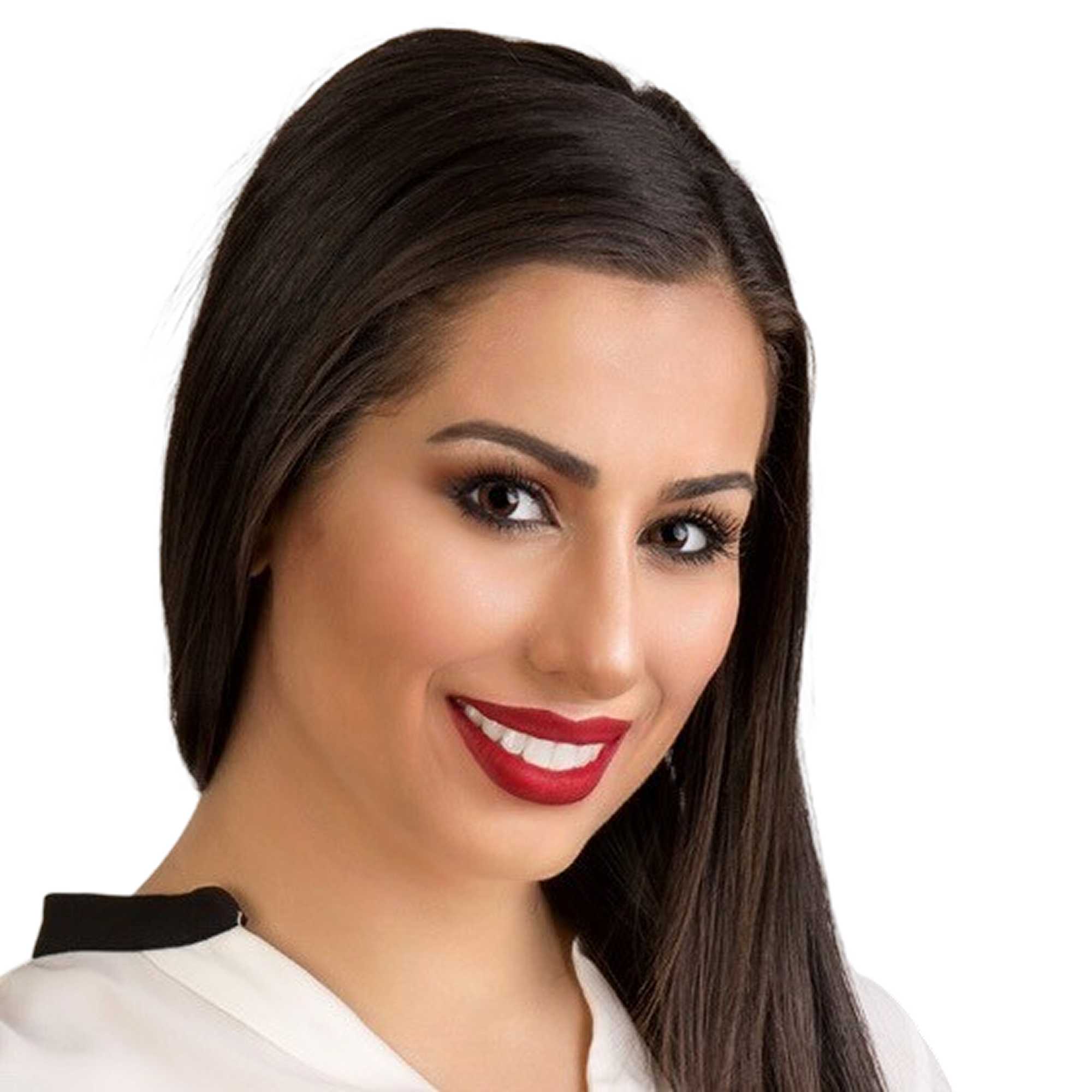
Dr. Meredith Gantos runs a thriving private practice in Naperville, Illinois, with a focus on sedation, surgical, and cosmetic services. She is a Master in the Academy of General Dentistry and a Master in the College of Sedation. Dr. Gantos utilizes many digital workflows and is passionate about helping other doctors achieve greater professional fulfillment through the integration of thoughtful equipment and technology.
Done learning and want to get started?
Book a demo