

Pearl After Dark
Candid Chats with Dr. Solomon – Communicating Treatment Needs for Kids and Teens
Transcript
I am Sheela Roth, head of clinical education at Pearl, and I am really thrilled to guide you today through this conversation about really an important shift that we have seen in modern dentistry, which is how to present care in a way that builds trust. Right? Not tension.
Not if you don't get it done today, then you bite on it tomorrow, it's gonna break in half. We we've all seen those case presentations, and doctor Solomon's gonna walk us through a little bit of, tips and tricks.
Today's parents and patients in general expect more than just a basic treatment plan. Right? They want transparency, which leads to trust. They wanna be involved. They have lots of questions, and they're still looking for clarity. We see all over the media, guys, that we still have a very negative connotation with our profession.
So in a world where AI is becoming an integral part of diagnostics, we do have a unique opportunity to enhance case acceptance through education, not persuasion. So, really, having the patients see what you see, that's really the crucial take home here.
So I would love for you to think about right now as we dive in in just a moment here is when you're presenting treatment plans to parents or patients, what do you believe has the greatest impact on case acceptance? And we're gonna find out what doctor Solomon has to share with us today.
I'm honored to have doctor Solomon here. He is joining us.
He doesn't like when I call him doctor Solomon because he said that's his his father's name, and he's he's looking for his father. But we're gonna call him doctor Solomon tonight. He's a second generation dentist who's been in practice in over twenty for over twenty years in Livermore, California, so it's up north. He's not only a diplomat of the American Board of Pediatric Dentistry and a fellow of American College of Pediatric Dentistry, but he also leads the BioClear Pediatric Learning Center. So we're gonna learn about that because it's a nice webinar where you get to not only learn from doctor Solomon, but have another way to carry on the learning and maybe even live with some courses with doctor Solomon.
And he's been training doctors around the world in advanced pediatric restorative techniques. He's one of the very first US dentist to fully integrate Pearl's second opinion in his AI in his daily workflow, and his unique trust first approach to case presentation and how he uses AI to support it is something every dental team can learn from.
So before I turn it over to you, doctor Solomon, I wanted to thank Patterson also, for joining us and sponsoring this webinar. Doctor Solomon, I'm gonna turn this over to you. I'm gonna get started, the screen, and we are so thankful to have you here.
Thank you, Sheela. And, you know, I'm looking at the attendee list, and I see so many familiar faces on there. So or familiar names. So thank you guys so much for coming tonight.
You know, I know this this is tough. It's probably at the end of everybody's day. Right? You've either just finished patients like I did or you're trying to get your kids down to bed, and you've already had a long week.
It's already Tuesday. So, you know, my hope tonight and my hope as a dental educator is there's so much information out there in dentistry. And what I try to do is be an early adopter on some things, and I try to experience as much as I can in dentistry both, you know, with on restorative side and with technology side. So my hope this evening is to share with you something that I think is a very powerful tool.
I wanted to just share one thing is that I think it's always important to be completely transparent. You know, I asked for this webinar tonight and my work with Pearl here is to not get compensated for that. And and I did that on purpose because I feel so strongly about Pearl's second opinion. It's something I use for every single patient when we take radiographs.
I use it for every single treatment plan when talking to parents. And I didn't want anyone to think that I was getting anything from this. So I still pay my monthly from Pearl, and I don't get discount on that. I'm not I'm not compensated to do this tonight, but I am I have a very nice life because of my profession.
And I love pediatric dentistry, so I hope that I could just share some of this with you. And, no, I don't have a dog in the fight, and I can just share my experiences with you. So as Sheela said, you know, I'm a second generation pediatric dentist, so I had it easy. That's why my heart always goes out to those who did startups.
You know, I took over the practice from my father back in two thousand three, and I was able to grow my practice. We've moved twice now, and I hope I think that's it. I don't think I'm gonna move anymore.
But, you know, as long along with teaching dentistry and in private practice, I I do, you know, spend a lot of time in the dental world working with manufacturers. You know, I'm probably in my practice seventy percent of the time, and the other fifty percent of the time, I think I'm teaching. My wife doesn't like that joke.
But, you know, I really try to do what I can to support, you know, the profession and the specialty that I love so much. Tonight, we're gonna give you a lot of information. This is really gonna be a candid conversation. Right?
We didn't wanna have a ton of slides and just make this where we're reading things off off screen. And we do wanna take your questions. So if you have something that comes up, please reach out to us. The other thing is there's the QR code.
My contact information is there.
Please, please, please, if there's something we didn't go over tonight, if you wanna talk to me personally, I'm I'm happy to set up a Zoom with you and and show you how I use Pearl, and answer any questions that that you have. So please, if you reach out to me and I'll get back to you within forty eight hours, do me a favor. Send me another message or text and say, you know, hey. I'm trying to get ahold of you, and I promise, that we will be able to chat together.
And about a year and a half ago now, was able to move into a new facility. I was in about three thousand square feet, and we're kinda shoehorned, into an office. And I got the ability, to purchase a building and and go into this, you know, beautiful six thousand square foot space, where we have the practice. And then also the BioClear Pediatric Learning Center, it's all integrated together.
Technology is something I think that's important in dentistry. So when we laid out the practice, one of the things that I was very specific on is I wanted two monitors per clinical chair. And any chair that we see new patients, we actually have two computers. So just something to think about for some of you that are designing an office.
It's much easier. When I use Pearl, I've got imaging up. And then in the other screen, we can have notes so we're not fighting, you know, over the screen. So just something to think about when you're doing design in your practice.
Excellent. What a let me go back. It's such a beautiful office. That's why you're there. Was it eight days a week?
I think so. That's okay.
This is just beautiful.
So I want to start with a question for the audience because when you and I were talking, doctor Solomon, about different topics and, really kinda my passion for Pearl when I was running a practice as an office manager was, did my patients actually understand what I was talking about? And more importantly, did they accept it? Because we've all seen where patients come back, and they're in pain. And you have that exact situation, but almost on fast forward with pediatric teeth. Right? Because they go decay flies through them. But I'd like to open up, just the chat for just a moment and discuss with you guys what your thoughts are for the average case acceptance percentage across the US.
I'd like to know if you guys have an idea of that. So can you just jump in the chat and let me know what percentage it is? And I'm gonna reveal the answer for you in just a moment.
Let's see what we see here. I have David says sixty percent. I have forty five percent.
Chandra, sixty seven. Seventy three, seventy, forty.
An office that I still work in, I love dearly. I looked the other day, and there was a thirty eight percent. And I thought, uh-oh. We have some concerns here.
We do have one, Miranda, that says sixty percent, but in my office, ninety percent. So according to the research, the average case acceptance is fifty percent. So when you think about how many patients you see per day, half of them are gonna walk out the door without an appointment, and we all know what that can lead to.
It's even more staggering when you think about new patients. It's half of that. So twenty five percent of your new patients. I think they have to learn to trust us a little bit.
But one point that stuck out for me with doctor Solomon was, talking about his case acceptance, and that's really kinda what got got me really excited about this topic. I'm gonna turn that over to doctor Salmon in just a moment. But, you know, as a hygienist myself and my main goal was educating, when I became the mom of a child who had a cavity, first, I was mortified. Right?
But at the same time, a doctor presenting treatment to me for my child was completely different. So we're looking forward to that, doctor Solomon. You have an interesting statistic. So can you please share with us what you found and also the tips and tricks on how to really get to this staggering incredible number?
So I don't wanna show off here. And I actually didn't even know what my number was. You know, I'm I'm a pretty data driven guy, and this is from Practice by Numbers. So I look at my data quite a bit, but I hadn't really looked at this until we put this webinar together.
And I was pretty impressed with my ninety six point four percent. And I it's something I'm, I guess, I'm I'm proud of. And until recently, I didn't know it was that high. We have a pretty good sized practice.
We have over, you know, four thousand active patients. And so I think it's it was important for me to to determine, and someone asked about acceptance rate. Think this is overall what the what the acceptance rate is on that proposed treatment.
And, you know, I need to back up these numbers. And then so I thought it would be helpful to go through and just show you some of the things that I do. And none of this is, I think, anything that is rocket science. And I think it's just a matter of clear communication and being present with patients and parents.
You know, one of the things, Sheela, you you and I did not talk about, but I actually work with a communication coach. And there may be something in the next webinar that we want to work with. And she's a speech coach, and she's a communication coach. And she's really helped me with learning to get my hand off the door, body posture, all those things.
We're not gonna talk about that tonight, but I think that's that really is an important aspect of all of this. Tonight, we're really gonna talk about data and and how we talk to parents.
And the words that we choose are very important. Over the last twenty years, I've really tried to question everything I say and have that driven by, do I think parents are understanding what I'm saying? Right? Am I choosing the right words so they understand the treatment that I've laid out? Do they feel comfortable with me? Do they feel comfortable with their teams? And so for these next couple slides here, I thought I would show just some of the things that I do in order to to achieve those numbers.
I think this is a very important point. And many of my lectures, I'd like to talk about the words that we use. So years ago, I remember sitting with a parent, and I spent with good rapport, and I was talking about treatment needed. And I kept on referring to the term baby teeth. Baby teeth, baby teeth.
And later on that night, I got an email from the parent. Actually, it was from the other parent that wasn't there with us that day. Think the mom had come into the appointment, and she went home and and told dad and said, well, you know, our daughter has cavities in all her baby teeth, and they wanna do general anesthesia. They have to do nerve treatments and crowns and fillings and all these things.
And dad's comment was whether baby teeth are just gonna fall anyways. So I'm sure everybody that's a pediatric dentist that is on the webinar tonight has heard that. Right? And so it really made me think, should I be using the term baby teeth?
So if all of us would pool or poll parents in our practice and we asked how long the teeth are gonna be there for, I bet you that a majority of parents would say six years of age because they remember losing their lower primary incisors. Right? So if I'm speaking with a parent and I'm telling them that, you know, their three year old has extensive decay and, you know, they need lobotomies and crowns and the poster and all these things, if I'm continuously continually using the word baby teeth, what they're hearing is these teeth are gonna fall out soon. Right?
And especially if they're going and telling the other partner at home. So I've stopped using that term in my practice. Now I will use it at, you know, hygiene instructions or if we're talking about growth and development. But when it comes to treatment planning, if I'm sitting in my consultation room and talking to parents, I use the term primary molar exfoliating at around ten or primary molar exfoliating around twelve or primary canine falling out at about eleven.
And that just really hits home to parents to know so they know how long teeth are gonna be there for. And we have you know, one of the things that I can share with everybody too, didn't put it on our slides tonight, is I share all my handouts with everyone. So I can if you email me, I can send those to you. And I have extensive handouts with for parents. And a lot of them have these the eruption guidelines on there.
These four pictures, actually, two photos and two radiographs, I've shown countless times that. I don't even remember how long I've been using these these four for. I mean, it's many, many years. So the way I approach discussing radiographs with parents is we've got to give them some frame reference of what caries look like.
Right? Because if we just show them x rays and we say, okay, they have cavities in their mouth, they don't know what they're looking at. Right? And I feel like parenting has changed.
Right? Gone are the days I think twenty years ago, I could tell parents, well, your child has four cavities. Please see my team up front. They're going to schedule your appointment.
Good luck to you. Right? That doesn't fly anymore. Right? Parents don't and I think they just a lot of them don't have that innate trust as they used to, and they question, and that's fine.
You know, if it's my my children, I want a question. I wanna understand. I never mind when parents are asking questions because it means they love their children and they're involved in their care. I get more worried when parents say, oh, it's fine, doc, whatever you think.
Right?
So I I like to involve them in the treatment planning process. And especially if I'm getting a sense that that parent is doubting a little bit. We've all been in those exams when you're going over treatment with parents and you just see that blank face. And you're thinking, why am I even discussing this with you?
Because I don't I don't think you're gonna come back for treatment. So I show them the radiograph there on the upper left. Right? And and very basically, I say, you know, these are baby teeth, the the well, see, just said it, baby teeth.
These are primary molars exfoliating in ten and primary molars exfoliating in twelve. And these are healthy teeth. Now these are what cavities look like. And so your child does have, you know, these areas that are dark.
Can you see that? Yes. And then I'd like to show them this photo right afterwards. So this is I explained, you know, I just opened up the teeth, and these are what cavities between the teeth look like.
And most of the time, at least in my practice lifetime, I don't find a lot of occlusal caries. I mean, I would probably say on primary teeth, it's almost twenty to one. Very rarely do I find occlusal caries on primary teeth.
And if I have a parent that's really doubting things, one of the things I I've known to do before is I once I show them what they look like, I will leave their child's radiographs on screen, and I've got big monitor in my console area. And I'll excuse myself for a few minutes, and I'll go to my office or I'll have a couple sips of water, and I'll come back. And inevitably, that parent will be looking at the screen, and they say that's a cavity there. There.
There. There. There. Right? So that takes some time, and it takes showing them what radiographs look like.
I like this X-ray too. You know, this shows incipient decay. And if you look at the radiograph here, it doesn't look that exciting. Right?
But in the mouth, it looks a lot bigger. And so this gives a parent that frame of reference. So this was my easy way, you know, prior to Pearl, of trying to establish that rapport and that trust with them so they really know what caries looks like, and they're part of that treatment process. I don't like giving parents ten different options of things.
Well, we could maybe treat this. Think that that's definitely something that confuses the parents. I'd like just to be definitive. Here's caries.
Here's what we need to do. Or these are incipient, and we're going to use SDF. So I think but at least having them part of the conversation and helping you treatment plan, it just makes them feel part of it. We have to remember there's a lot of parental guilt.
And that's where we see sometimes parents are very angry, right, is they they may feel like they let their child down. And sometimes that them being upset is really coming from being ashamed. So the the other thing that I will also do if the parent is taking this really personally is I tell them, listen. I treat most of the pediatrician kids in my my area.
And let me tell you, a lot of those kids have the cavities too. A lot of this is genetic predisposition, so we try not to hammer them too hard on this. But it just needs to be communicated with caring, and they need to be part of that conversation.
So we can go with the there we go. And, Sheela, did you wanna mention about this slide?
Yeah. Absolutely.
So Absolutely great.
Some of the research we've done here at Pearl is, looking at we know when we're showing X rays. We've all been doing it. Right? We stand in front of the radiograph. I used to hold little pencils up and show where the bone level measurements were, circle areas on on cap on X rays where cavities were, trying to convince the patient that they really need to get this tooth done before it gets worse. And, ultimately, when we look at the the studies on patient retention, it has a lot to do with, I trust my dentist because and most of the answers are, I understood what they were telling me.
Sixty four percent of patients say they do not understand their X rays, and we all know when they're in the back and that little jaunt down the front of the hallway, they've changed their mind, or or miraculously, they've changed the diagnosis and told us that the, you know, the doctor said I could wait. So we have all experienced that. And I think that something we need to really kinda think about as professionals is there's a lot of technology out there to provide more, truth and more validity to our treatment plans. Like I said earlier, we're we're still in a very negative, perspective for a lot of consumers when it comes to the dentist and TikTok and social media.
So every single time we're talking to a patient, we have to reinstill trust in them. So these statistics are really quite alarming when forty percent say they they distrust dentists. They're always getting a second opinion. I'm sure if we took a poll, which we won't, all of you have experienced a patient in your practice that have, come in on a second opinion.
So I think the question becomes, could we flip this statistic?
What if instead of, you know, seven out of ten patients didn't understand, which is what we're seeing here, What if seven out of patients did? And I think that's the goal. That's what's why we all went into dentistry, right, is for the patients to understand, get the dentistry they need, be happy about it, and refer their family and friends. We take care of more. Four thousand patients, doctor Solomon, is a is a lot of patients.
Know, Sheela, one can you go back one slide? One of the things that you and I talked about as well is, you know, because I'm in the San Francisco Bay Area, you know, I'm in really in the heart of Facebook and Google.
And, you know, I I know in my area, I have quite a few very, very educated, smart parents that are also coming from from different countries and cultures. Right?
Every day, more and more, I'm seeing first generation parents of the US. And one of the things that opened up my eyes was a couple months ago, I was talking to one of the families I I got to really know very well, and they're just wonderful people.
The mom told me, you know, Josh, when I grew up, they they were originally from India. So, you know, when I grew up, I grew up in a small village. I didn't see the dentist till I was thirty, I think, till she went to college, you know, in the UK.
And she had no frame of reference of even going to the dentist really for her. And so all this was new. And I think we see that more more and more as we have parents that, you know, come from different cultures and different countries where they may have not had as you know, the where they go in and they're, you know, they're getting X rays every six months and they're continuously being checked. They may have only gone to the dentist when they have pain. So those parents had no frame of reference whatsoever.
So I I think it's important that we understand where our patients or parents are coming from in the first place. It may not be distrust for the dentist in general. It may have been they haven't seen the dentist quite a bit themselves.
Yeah. I think that's a key point too is it's not just they distrust you personally, that you're you're a bad dentist or you're doing a bad job. It's it's what they feel. It's it's an unfortunate truth that, again, I think we're starting to, see the the pendulum swing just a bit, and we talk about using more more visual cues when we're focusing on case presentation.
Absolutely.
I think, one thing I would like to share that is very exciting for us here at Pearl and what I've seen in in private practices as a consultant is when you are using AI for your patient, not just for you as a dentist or as a hygienist, but for your patient to see what you are actually seeing as a clinician. And imagine this. It's not to go in and find more dentistry and find more incipients and open more teeth and drill more crowns. It's imagine you go to work tomorrow and your patients start accepting thirty percent more of the dentistry that's just unscheduled.
Right? I mean, again, as a hygienist, I would see patients two or three times in hygiene, take the intraoral photo, take the X-ray, draw the circles, and, ultimately, when it starts hurting is when they're convinced. So this was kind of exciting for me when when I came to Pearl, and I was able to see, like, wow. Not only was I able to show them what I was seeing, but it bought back a lot of time for me to stop talking and listen to my patients.
Absolutely. And, you know, one of the things and we'll go into detail about second opinion here shortly. But, you know, in pediatrics, it's not just about diagnosing. I mean, that's that's a small part of things.
Right? It's education and reminding parents, you know, when you have three kids at home and you're trying to get everybody to bed and flossing is the last thing that you think is even possible, we need them to be able to see the sequelae, what happens if we're eating, you know, jujubees. I don't know if you kids like jujubees. Jujubees are not flossing.
Right? They need to see these things because even if I could show them I think it's more important for them to see multiple areas of incipient decay actually than big cavities. Right? Because as you know, if I don't have new fillings, great.
I would love that. But if I can show them, listen. Here's where incipient decay is. It's on every contact.
It's on these contacts in the right side. They're looking you know, if they're just looking at grayscale on screen, it's it's that really does not hit home. And we'll show later on, you know, you can actually export these and send a PDF to the parent, and that's it's a powerful tool.
I blame Goldfish or crackers or something.
It does.
That's what I feel like did it for my kids. But I think to your point too, doctor Solomon, looking at these incipient lesions, it's really kind of you get the the advantage too of really reeducating them, and things that you are doing is really gonna set the stage for the rest of their life. Right? I know that I I had a bunch of cavities as a kid, and that's why I went into dentistry.
But I thought, when does this ever stop? And when I finally realized you have to actually floss and you have to be mindful of all of these things, it's not something I learned at a young age, unfortunately. But when you're a parent and you have a child, you know everything. So I like what you said about, you know, we're embarrassed.
Right? We're embarrassed that our kids got a cavity. So I I like how you're presenting this and, again, most importantly, setting that foundation and that groundwork for the rest of their lives. You know?
We don't want patients coming back with recurrent decay six to twelve months later.
Sheela, I think we'll probably get into it, but and you can't see it that well just on this small view. But of the things I wanna point out, I just thought about it with incipient decay, is since the advent of SDF coming to the states and being able to use just extremely powerful tool, we don't have a way besides subjectively looking at X rays and saying, okay. Well, this is a watch. It's maybe a third of the way in the enamel.
One of the most powerful tools, I think, just for record keeping with second opinion is I can run my mouse over, and I can see from a year and a half ago, alright. This lesion was a hundred percent enamel. Then it was a hundred percent enamel the next visit. Then it was fifty percent enamel, fifty percent dentin.
So this idea of a radiograph because this is subjective. Right? You're looking at grayscale between the teeth. It's just another way of of really having complete records and showing progress over time.
It's important for me as a clinician, especially with things like STF. I can really track, is this getting bigger? Is it staying the same? And not just looking at two films and kinda guessing.
Right?
Absolutely. Yeah. Comparison becomes at a whole another level when you have more data. And I think that was what you were saying here with incipient, and then that color changes based on progress.
I think that is important to talk about too. And I know we're getting into workflow, doctor Solomon, but when you're reviewing, I can't even imagine how many white wings you look at in a day. But having that second set of eyes pointing out, even even if you go straight to the darker pink lesions, I think that's a interesting topic to get your opinion on is really how does this help you navigate through your day faster? And I know you'll talk about that later.
Lots of different features here with AI, and I just kinda wanna make sure this is really about pediatric dentists today, but I do think it's important to know that what AI is doing for dentistry is really incredible from not only diagnostics, but a lot of automation in our daily workflow and giving us back the time that we need. But lots of features here and, again, pointing these out to the patients.
Remember, this happens in real time, so it's not a learning curve. You don't have to wheel in machines or upload images. It's you take X rays, and it it's gonna pop up for you.
So if you wanna walk us through kind of the before and after days here.
Absolutely. So this is a view of second opinion on the web interface. And, you know, we'll talk about this is how it started with Perl. So until you know, I've been beta tester now with Eaglesoft, I think, for, I don't know, thirteen, fourteen years. And so I was very fortunate to have Pearl and then, you know, be an educator and get involved with doing beta testing and seeing the integration of Second Opinion actually into my imaging software.
But let's just kind of walk through this. So the what happens is once you take a ByteWing, instantaneously, it goes from that computer to the server, and it's processed immediate. So it's real time in Perl. You're not having to it's not like a, you know, digital camera.
You've gotta take a card out and load the software. And it actually will read automatically all the old ByteLings that I had as well. And so this gives me control over, number one, showing, you know, path generalized pathology there. You can turn this on or off.
The caries not only shows yes or no, but it shows the extent of the decay that's there. So incipient's one color and then, you know, decay that's progressed is is now pink. But this will also show, you know, overhangs and margins. It's bone loss not as important for us as p in as pediatric dentists.
Mostly, what I'm using this for is incipient decay versus larger decay. And one of the points I wanna make is that AI you know, this is not robots running, you know, everything in the background. Right? And there's lots of different AI.
Right? When we hear the term AI, we think about maybe chat GBT or I like the term automated interpretation. K? So this the AI here, it's reading different grayscale.
You have to imagine as, you know, human, we can only see certain number of of, colors in grayscale. Software sees much more than that. And I will tell you as someone who's got a large practice, but I, you know, I'm not a a mil, but we see, you know, fifty, sixty patients a day. And if anyone out there says they're a hundred percent accurate all the time, I would love to come and to your office.
Because once you see enough patients, it's easy to miss things. We all try not to, and I don't think it happens very often. But this is my spell check. Right?
This is my second opinion to know that I didn't miss anything. And we'll get into work. I don't wanna jump ahead. We'll get into workflow here in a little bit.
I think that's important we spend some time there. But the the powerful feature here, and you showed that already, is carries yes, carries no. Alright. That's one thing.
Secondarily, what are the parts of the teeth? I think that's really one of the most powerful aspects of second opinion is you can see pulp. I can very easily show parents, you know, here on tooth number l, while the pulp's already receded. Right? So we know there was bacterial ingress already into this tooth. The pulp's trying to run away.
You can see that the caries has gone through the enamel. Now it's into the dentin. We've got square caries here in the dentin.
I would say curl is very accurate. There's some things that there's a few areas that I do notice that it will pick up caries where there's not, but I just ignore those. I know that that is changing. It's under the cusps of typically mostly maxillary molars. We all know in primary teeth that it's very frequent we see radiolucencies under the cusps. And automatically, those of us who pediatric dentists, we just ignore that because we know that's not caries. And I do know it's once in a while, it will it will pick that up as as a caries lesion, but we already know it's not there.
Everything else is extremely accurate. And we also have to remember, you know, garbage data in, garbage data out. Someone asked me, well, if I have overlaps on my bite wings, is Perl gonna pick? No.
It's not gonna pick it up. Right? So you still need quality radiographs. What I will tell you the advantage is is if you have an older generation sensor or you didn't get perfect, exposure or I've seen this with, phosphor plates.
If there's any wrong phosphor plates, I won't say that, but, there's something that's not as clear.
Where Pearl's second opinion advantage is is it will pick up carries much more accurately if the image they have to be open contacts, but it will pick up carries on lighter films or if they're just not as, you know, a brand new sensor that's, you know, completely accurate showing, you know, thirty three line pairs out out throughout.
But this, you know, as a parent, this I understand. Right? I I understand enamel and dentin and pulp, and this shows me where that those caries are. And I don't even have to discuss this often because they can just see it where the problems are.
Mhmm.
I like your analogy too, doctor Solomon, about sorry, guys.
Spell check. Because I feel like that's the perfect way to look at AI from a diagnostic perspective. Perspective. It's just like we all can type.
Right? And every once in a while, you see the little red line, and you're you're like, I don't how to spell it. Why is it why is it underlined in that? But there are a lot of times where you're really thankful for that little red line, and that's very similar here.
So having, you know, a lot of studies in diagnosis fatigue, I think we could all agree that we all have that Monday AM, eight o'clock versus Friday at four. And, I don't know if you have any experience with this personally, but there have been a lot of doctors giving us feedback on really kind of, the mental health space in dentistry and how this is kind of like a breath of fresh air. Right? They're able to just they know it's there.
And when we do have those, you know if I could stop for a moment and just congratulate dentists getting through a day and the the number of decisions that you guys make, you've got a staff, you've got spouses, you've got children, You've got a business to run. You've gotta make a thousand decisions in seconds, and it's nice to have this second set of eyes operating in the background. So I don't know if you have any insight into that, but that's been interesting.
Lot of insight into that.
Let's let's pick one thing. Let's say you're running behind. We all have those parents you know, parent books, recalls at eight o'clock, and then they walk in and they say, oh, by the way, kids have tests starting at eight twenty five. We need to get out of here.
Right? And you're trying to do an operative, and then you've got if you see that little printout button there on the upper right, one of the really nice things about second opinion is you can very easily click that printout button. It will generate a PDF, and we will send that with parent or we'll email it. And then the conversation's a whole lot easier if I'm talking over the phone or if we do a Zoom with you know, and they're not in person where I could show them where where the carries are.
And it just speed things up. I think, we'll talk about workflow here and and how that speeds things up in my practice. But I just I want data. I want something else to help me engage with that parent and build that trust.
And I hate to say it. Dentistry used to be I think when my dad was in practice, he would just walk over and say, mom, dad, your child has eight cavities. We'll see you back in two weeks. Good job.
Right? It is not like that anymore. And a lot of parents will trust the AI more than they may trust their dentist. And it's just nice having that second, third pair of eyes to help just correlate and confirm what I'm I'm telling the the parent.
So maybe we'll talk about workflow here in a little bit because I think that will that'll be helpful.
Workflow. Yep. You mentioned. So let's talk about that. So I, maybe we'll go to the my next slide.
So I don't have a small office. Right? I built out six thousand square feet. We've got thirteen operatories.
Now I don't you know, with my associate, we'll run multiple chairs at a time. I don't run all those by myself.
But pediatric dentistry, everyone that's a pediatric dentist on the call tonight knows that we are a volume based specialty. Right? My friends that are general dentists or prosthodontists, they may see five patients a day. I don't know what I would do with myself if I found five patients a day. Now for us, it may be fifty five patients a day.
So the the key for I I know in my practice, my goal always is to, number one, do the best work possible, give the best appointment for that patient, make them feel special, make sure they're leaving educated. But you do that enough times in the day, and you've got to have systems in place. Right? So this is how workflow works now with Perl in in my office.
So once that patient has radiographs, right, we typically take they know you're gonna come down the hallway. I I put in X-ray heads everywhere because I didn't want it to be a bottleneck. So we typically they'll take the radiographs first. They'll sit down.
We ask all the parents in the practice once we're, you know, getting the patient out of the waiting room. We ask the parent, do you wanna be do you wanna come back with us today, or do you want to be present during the exam? What I like about that is some parents just want a break for half an hour and sit in the waiting room and be on their phones. And then I don't feel like, you know, we have to go get them, ask them to come back because they just wanted a break.
But for those parents that are there chairside, that alone speeds things up. I'd like parents to be back for everything. So once my assistant takes that radiograph, what they used to do was they would do their cleaning, they would buzz for me to come over, and then I would look at the X rays. And then based on what my diagnosis was, would change.
Alright. Now I want them to do more hygiene instructions. Now I want them to get the floss out. Now I want them to grab disclosing solution out.
Now I want them to make sure parent is back so we can go over treatment. So what happens now is they'll take those bitewings, and automatically, my team member pulls the bitewing up, and they're gonna see yellow or purple all over the place. Now they're not making the diagnosis. Right?
They're not saying this patient has cavities, but they can tell, you know, how many purple dots and how many yellow dots are all over the place. Right? And we know sometimes we see kids with great hygiene. It's just their high carry.
It may be dietary. It could be, you know, drug induced serestomia, and it's just genetic predisposition. So once they they take that film, it pulls up. And this is what I love about the integration of Eaglesoft is prior to the integration of Eaglesoft, we had to pull up perfect.
Great. So we had to pull up second opinion on a web based interface and then look up the patient. Don't have to do that anymore. So this is absolute real real time.
And this is not just Eaglesoft. I believe there's thirty or so imaging programs that will integrate directly with Pearl. So this is built in. I can turn it on or off on one of these buttons.
And so once they take those bite wings and actually, what's amazing is there's purple and yellow there underneath each one of those films. So they just, at a quick glance, can see if it's picking up caries or not. Now not all these are gonna be ones to treat or some of these are watches. My staff's not worrying about that.
They're just looking for, is there a lot of pink and yellow here? If they see pink and yellow all over the place, what they're doing is, number one, they're to write down all those surfaces. Right? Number two, if they're seeing, let's say, you know, for teens, it's two or more.
If they find two or more areas where pearls picked up some level of decay, they're automatically getting paired back. They're automatically getting out the Prevident. They're automatically getting out the mirror. And our rule is we don't just go over flossing.
We have the patient then show us or disclosing solution. Or they're gonna bring that parent back even if mom or dad or caregiver said, no. I'm okay. I don't I don't need to be there.
I want that parent there automatically right away so we can give hygiene instructions right then, and we're not doing it twice once with the patient, once with the parent. Right? And then once they have all that decay written down, they've gone given all those hygiene instructions. Then when I sit down, I already have a list of all the teeth that have something.
Right? And I'll quickly go through, watch, watch, watch, treat, treat, treat. Boom. As they're putting those teeth into now into Eaglesoft, parent has already been notified that there may be some problems.
Child's already had hygiene instructions. They've already gone over, you know, taking the disclosing solution out. We already have Previdence sitting out. So they are hundred percent ready for me.
You do that level of, you know, efficiency fifty times a day and you just save four minutes, that's a huge, huge savings. Right? Plus, we know that we're spending the time with the kids that need it. If hygiene is perfect and there's no carries, I don't necessarily wanna give the team, you know, that time.
And, you know, we still show them things, but they don't need the time as much as other patients. Right? So all those things are happening before I even get over to that that patient. And if they see, you know, a lot of decay, they're automatically getting on the radio with my treatment coordinator, the one that's running the show that day.
Consult's already set up. I don't have to get a thing. If it's a patient that's, you know, four and under and they see a lot of purple, they're automatically putting out our folder for GA or conscious sedation. So we've, you know, we've have you know, automatically put all those wheels in motion, and that saves just a few minutes every single patient, you know, many times a day.
And for, you know, three, four hundred bucks a month, that's worth it at the first day. Right? And one of the things that I think is important is it's not just looking for cavities. Right?
I I saw a post on one of the Facebook groups that I'm in, and someone's, oh, what do I need that for? I can I can find cavities just fine? Of course, everybody on the webinar tonight's dentist can look for cavities. I don't think they think about all the other things.
Right? It's not just so parent communication, huge. Right? But just automation of our workflow of, you know, all those things of hygiene instructions and getting, you know, everything teed up.
So when I come over, everything's organized. Yes. Yes. You know, watch, watch, treat, treat, treat.
Boom. It's in the computer, and my team already knows, you know, where to go. And everybody's organized and everybody's, you know, happy at the end of the day. And the beautiful thing is it's all integrated in here.
So I'm not opening anything out else up. I'm clicking one button here. If I don't wanna see second opinion, I just click it off. If I wanna see carries, if I wanna see choose parts, it's all just the click of a button, and it's automatic.
It's automatic. You know, someone asked I was just kind of looking over the the questions too.
Someone asked, you know, is it trainable? And I actually asked Sheela that that today. And and at this point, it is not. But, again, the only areas that I find that PERL on primary teeth will pick up that may be false positive are, again, under the cusp tips of especially maxillary molars.
But I know, you know, number one, just ignore that like you do on all radiographs. And I believe that's something that's coming in maybe on an update as well. Someone also asked about is this, you know, in an operatory? Yeah.
There's no difference going over Pearl or talking to a parent showing the radiographs. You know, I I have a consultation room, but we also have, you know, pretty good space between our chairs. HIPAA doesn't you know, privacy is privacy. Doesn't matter if I'm using Pearl or if I'm just talking to a parent.
That that's, you know, really inconsequential. But I I what I really want people to focus on is workflow, workflow, And if they don't have standard operating procedures for everything they do in their office, it makes you know, I like I like the saying of if you don't run your practice, your practice will run you. Right? So having just this automation is a whole other thing I didn't even think about.
I came to Pearl just because I wanted to see pretty colors looking at radiographs. Right? But that's the whole other part of this as well.
Yeah. Excellent. I am imagining you have a very well oiled machine there seeing that many patients a day.
And But that's average.
I don't I don't see more or less than you know, there's a lot of I mean, I recognize a lot of names on here, and people have bigger bigger practices than I do.
And it's just that's how pediatrics is. Right? We're not doing you know, as a hygienist, you may be seeing one patient an hour. Right? And and that dentist may have one that GP may have one column restorative, and they have two cleanings next to it. And a run the mill pediatric practice, we may be running, you know, four, five, six columns at one time.
Right.
Yeah. And I think that you you really did a great job explaining kind of where this works in an operatory.
A lot of times there's you know, when we have change, right, we're all human. So we have this little reluctancy, and I get a lot of questions on these webinars about, okay. This looks great, but how am I gonna train my team, and how long does this take?
And I think what you've heard tonight and and go ahead, please, doctor Solomon, but is it's very seamless, especially when compared to a lot of things we've had to adopt in the last ten years. But can you share with us a little bit about you know, I'm a doctor. I'm kind of on the fence. I know I'm a good diagnostician and all that other great stuff, but what about my team? You know, does my team use this, and is do we have to all get trained multiple times? Share that with us a little bit.
If you can tell a pink from yellow, you're doing just fine. Right? Especially when it's integrated like this. Right? It is literally like in Eaglesoft, which I use on Eaglesoft Imaging. It's like six buttons you hit on the side, and and literally that's it. And it's designed just to be really that simple.
And, you know, we brought up you know, just using it just to tech check for cavities. And and one of one of the studies that I I thought when I was reading through a lot of oh, do you wanna do this you wanna do this little game first? Alright. You do your game. I got all excited. Go ahead.
I'm gonna do my game. So I think there's a couple things there in the question, so I wanna answer. One of them was what's between Pearl and second opinion? And it's a great question.
We we throw those two terms around, and they are directly related. So Pearl has multiple products. Tonight, we're talking about second opinion, which is that real time patient facing diagnostic aid that you're you're able to start up at any time and and move through using that into the next day. We also work on pulling in your historical images, like doctor Solomon was saying, so that we can look at the previous as well as the present images.
And as far as training the AI, we have, specific clinicians that are literally working around the world to improve the models and the accuracy. And, most importantly, we're really excited about a new pediatric release that's coming out in the next thirty days. Because if you think about it, AI is almost in its infancy still, and it is taught to learn shades of gray. So when you put mixed intuition in there, right, and you have a tooth exfoliating and then you have another one coming up, it it takes a long time for the AI to understand that. So you need to put in a lot of data, train for a lot of pattern recognition in those algorithms, and then have the ability to have that output refined. So I I do want to lean into this real quick thing.
Quick thing before your game. I think it's important to to point out that PEARL is FDA cleared for pediatric use and now two d and three d.
Yes.
Yes. Absolutely. And that is definitely a key point. We are first to market with three d, so we're excited. And, again, just providing more data so doctors can make better decisions.
So I would love to have you play one more game. I know we're closing out the night here in the next few minutes. We wanna get through our slides, but if you could jump into the chat. Let's go through a little game here.
And I think it's important to understand, like doctor Solomon said, what happens with you when you overlap. Right? What happens if your image isn't perfect? And, also, another thing to be really mindful of is that AI is reading shades of gray.
It is not diagnosing for you. It is not, oh, I tried PERRL, and it diagnosed so many teeth I would not treat. We don't want you to do that. Right?
This day and age where we have so many ways to remineralize teeth and and recover areas of concern, the goal here is how do we help you see different shades of gray earlier? And, Kimberly, your favorite, more often. But it is nice to see what if we have anybody in the chat here that is playing along. I see nobody.
They've all left us, I think. But as we overlay, hopefully, you got seven, and you notice that this tiny one here on the distal of thirty has crossed right past that DEJ. So it's just another indicator for you to keep an eye on how does this work as you're moving through radiographs. Do you wanna go through that study, or you want me to jump in?
You know, you know, I I I wanna hustle here and go through a couple other things. But I one of the things when I read through all of of a lot of Pearl's documentation that I found the most interesting was one of the studies they did is they took, I think it was with three general three dentists and had them review over eighty seven hundred X rays. And the number that was most interesting to me was they had those dentists go through and look for interproximal decay. And then those same three dentists go back and ninety days later, and they were only seventy percent accurate in their own treatment plans.
Right? And so with it, it goes to show us that there is subjectivity in this. We're just looking for shades of gray and for, you know, DSOs or for, you know, many people that have practices, have, you know, established practices have associates. And when you bring on a new associate or newer associate, you really wanna know is everyone calibrating, you know, similarly.
So having the second opinion that AI point out carries, I think it's a really good learning point, for everyone. And, you know, Pearl will not, at this point, you know, won't learn your own, you know, your own style of diagnosis. I asked Sheela about that, and maybe, you know, at some point, that'll be the case. But there is a tool, I think, that's excellent that I think anybody has access to.
Correct?
Yeah. Do you wanna talk about calibrate for a minute?
Sure. There was one question about tooth number thirty distal here I wanted to address. And, the question was, is it an artifact? Because it has overlapping.
And believe it or not, this tooth actually had a huge cavity in it. So the doctor did drill into it, did a DO on this tooth. This is my best friend's daughter, so this is how I know this story. But it was interesting for me to use this image because it does show you that you will see some overlapping, and the AI is starting to learn.
Right.
So that's why I'm Sorry to go go back.
I know we've got more slides. But this this is an important case in point. Because you could show this to a parent or a teenager or even a staff member, and they're gonna look at this. And, you know, this is the most clear X-ray in the world, but it's it's still clinically okay.
And you don't see much. Right? But when my team sits down, they go ahead and click the next slide. What they're seeing is this.
Right? And so they're already bringing that mirror out, having the patient show them flossing, bringing out the Prevident, all of the things. And they're writing down three m o, four m o d, five d o, you know, twenty nine d o, thirty m o d. They're writing all those down.
And so when I come over, it's yes. Yes. Yes. No. No. No. Boom. Boom. Boom.
Done.
Excellent. Well, I'll jump into just two more things here for Pearl. But, one thing that's, I think, really important for patient retention is calibrating your clinicians. And that doesn't mean that you take away their autonomy, but when I was working with a lot of practices as a consultant, there are owner doctors that were worried about telling their associate doctors how to diagnose. And the reality was it's not about how. It's that we're all on the same page, especially if you were to share patients.
Correct.
So this is a really great tool that's available to you, and it's images that are preloaded. You can go in and decide, easy images. This is actually live at UCLA. They just received a grant to put this in the dental school, and this is how they're testing their students.
So imagine in real life, you have a bunch of images as an owner doctor, and you guys are able to sit down and decide. You send out an email to ten doctors. They all look at the same images, and then you have a conversation. It's a great training tool, and it's a great retention tool as well. So when I work in my other practice one Saturday a month, and I still love them, been there twenty five years, this is how they test people that are getting interviewed.
One very exciting thing we have at, Pearl is the CBCT. So we are very excited. We just received our FDA approval. And I want to let you know that in the first phase here, these are the different anatomical structures that we will be segmenting for you to be able to make quicker and better decisions, meaning, like, your treatment planning for implants.
Right? You can now look at the whole sinus cavity outline, and you can have these conversations with the patient. Right? This is why we're debating, do we do a sinus lift?
Do we not? So and we move into the end of the year, there's gonna be even more detailed, pathologies detected. I do wanna make sure that a lot of times, we have webinars here, and I get so many, emails later asking about how to connect with the clinician. And I want you guys to know that this is really an exciting time for you to be able to take this one step further and have a hands on course, with doctor Solomon.
So I'm gonna turn that over to you, doctor Solomon. We're gonna open up the floor. There's a lot of questions in here. We'd love for you to stay.
We also have an offer from Pearl as well, so we'd love for you to go ahead and let us know a little bit more about what would I do if I came to your course, doctor Solomon.
Sure. So he what really drives me is when I did my residency, I didn't learn how to place a great class two composite or how to restore a peg lateral or how to do anything aesthetic, really, whatsoever. It was stainless or crowns and class two. Right?
And but that's not real life. Right? Real life now is parents want aesthetic restorations, and they don't wanna be referred out of the office. And so my goal as, you know, educator and and why I took the BioClear method and developed the whole BioClear Center just for pediatrics is for docs to come in and learn how to do direct dentistry that looks like a tooth on the radiograph, and it's something they can take a picture of and be proud of.
Parents don't wanna be referred out of their practice. You know, especially for ortho, I I treat many peglaterals a day. And it's a difficult restoration. Right?
And most pediatric dentists, we're just not trained in this. So really, the goal of the center is for docs to come out and take a hands on two day course. And PEARL is something that we talk about during my course when we talk about treatment planning. But this what I'm proud of is I own the only center in the US, I think in North America, that is specifically for pediatric dentists.
Right? There's a lot of places to go for GPs and other things, but it's really just for my specialty or general dentist that treat kids. And we get once in a while, we'll get a GP that comes through. So if anyone's interested, this is my shameless plug, pediatric d d s dot com.
Yes. I snagged that website twenty years ago. I'm not gonna give it up. Okay. And there's a QR code code there.
So and if something you're interested, you know, we sell out about a year ahead of time. I think January well, no. We're not a year. We've added more.
We started off doing four classes a year, and now I'm up to fifteen. So January just filled, and March is almost filled. I think May, we've opened. So, everything else is is filled.
But if it's something that you're interested, feel free to email me, and there's a lot of information online about it as well. We'd love to see you.
Excellent.
So we do want to open up the the q and a here. I think Kimberly's gonna jump back on and join us. Before I do that, if you would like to, you know, take some time with your team and meet with one of our reps to discuss how second opinion would work in your practice, whether it works in your existing imaging system, if it's a stand alone product.
I think it's important to see it for your team and see it with your team as well as know that you're in a month to month. So if it doesn't work for you, feel free to cancel.
Most people don't, especially when you see the ROI in the first week. But I do think that AI is the next wave of technology, and it's here to stay in dentistry. So we will, leave this up for you. Feel free to scan that. But, Kimberly, how are we doing with questions? I saw quite a few coming in, and, thank you, doctor Solomon.
Oh, you're welcome. I I think one of the things that I like I appreciate that Pearl does is they don't have a contract. Right? Because in twenty years, I've got roped into things and and, you know, not been able to get out of it. So when people ask, you know, something I should use, just try it. Right?
Pay one month and and try it. I I don't know of anybody personally that canceled their subscription over time because it it really I could not imagine practicing without it. I mean, literally, every single bitewing in my office, into your PA, they all run through second opinion.
And I just and that's why I'm so happy to kind of be involved and help, you know, answer questions for other pediatric dentists.
I think it's just it's one of those things where it's just a no brainer, and it should be my opinion should be just a part of everyone's armamentarium just to make your lives easier and communicate better. So I appreciate it.
Thank you, and thank you so much. Okay. Let's see. What do we have here?
Ready? Are you ready? There's a lot. So, a lot of questions about who we integrate with, and I think that's an important question of an understanding of who we can work with in our cloud version and then who we are natively inside. So, Sheela, just to make sure, because I've I've been answering some questions on the side with some specifics, but just in a general broad form, native integration, but then who in general can we work with?
Yes. Well, I probably should have included a list, but there's a lot of different imaging systems. I think we're in over thirty two imaging systems and all of the probably the major ones. So we'd love for you to join us, have a demo, and be able to see if it's a good match for you.
If it doesn't integrate in your existing system, you do have to push one button to see the AI. So I will tell you that. Even though it's wonderful that it's embedded and we're happy that we've, have that with our partners, it is still okay to have second opinion stand alone. But, keep in mind too, I think one question I get asked a lot is, does this actually happen in real time?
And when I used to visit practices, I would hold my laptop, and I would watch them in the operatory, and the images would come up immediately. So by the time you're taking four bite wings, the second one's done at the end of the first, and we know that you don't have time to wait.
The other thing to keep in mind is you can turn the AI off and back on at any time to make your diagnosis. And you have the tooth parts, which is what we call tooth parts here, when you're in the operatory. So it's a simple one two three workflow.
Okay. Perfect. Thank you. I there was a lot of questions about that, so I just was able clear a bunch of questions with one one stop.
Now, doctor Solomon, back at you. You're back in the hot seat. There was a question about your patient insurance population breakdown. Do you find that Prolis helped increase any of your restorative treatment acceptance with PPO patients who typically are more out of pocket for treatment.
Can you speak to how that has worked for you at all?
Sure. So my breakdown you know, I do have a fair I'm only contracted with one insurance company. They're everybody else is just, you know, out of network and then, you know, fee for service.
I would say you know, but seventy one percent of my practice is in people have insurance. Right? And and most of those are all or it seems like seventy one percent is all one insurance, and then the other percentage are, you know, I I don't contract with their their carrier.
And I think my results speak for them you know, for having, you know, ninety six percent acceptance rate. I mean, that's across the board.
So it must be doing something well.
Yeah. And Fair enough. Regards to insurance too, Kimberly, we get this question a lot. I don't have the printout image today, but, there was a question in the chat. Can you actually print these images out on a take home form in color? And the answer is yes.
The other really fascinating second use case is to be able to submit those images with your insurance.
So that's been very valuable for teams, to use those images in conjunction with their existing narratives and and not have to do as many denial letters.
Awesome. Awesome. Okay. Speaking on images and what you're taking and using. Doctor Solomon, do you have your dental assistants also take two d pictures at all your exams as well? And if so, where does that fall into your workflow?
Like, actual just photographs. We take a ton of photographs.
Yeah. Intraoral as well as photographs. So any other yeah.
We I have cameras on every single chair in my office, plus I have, you know, multiple DSLRs.
And so the nice thing is with integration, it's all in one place. So my photos are in one time point, and my bite wings and my pedis are another time point. You just click through. So it's all built in together into the imaging.
Okay. Great. Now a couple of technical Pearl questions. I'm gonna plug them into one just so we can save some time here. Can we change can the sensitivity of the AI be adjusted at all? And then here's the big one. What makes Pearl better than one of a major competitor that starts with o?
Yeah. I'll let you take those.
I think so. Okay.
Sensitivity, currently, believe it or not, in the other part of the rest of the world, we do have a sensitivity slider. So it'll allow you to see, kind of more and less sensitivity. Rumor has that it may be coming soon. So that will be something that, we'll be looking into.
You have features built in. Like, I was speaking with doctor Solomon. You can turn off incipient lesions Right.
And suppress them across your entire Yes.
I guess you know? Correct.
And, also on the periapicals. A lot of doctors are like, I don't want it on the the periapical lesions. I mean, not lesions. Radiographs, you can turn those off too. So as Pearl moves forward, we will be moving more and more into the ability to customize. So that's gonna be very exciting.
I think, really, for us, our whole goal at Pearl and this is my fourth year. I'm very excited. I think I was employee eleven.
Still honored to be here. But is what I've loved about our vision at Pearl is we've always lined aligned lined all the above with the providers. So when we are creating different ways to enhance the way the clarity tool works or the way the the product road map is, it's not aligned for insurance companies. It's aligned for clinicians. I think that's one big differentiator. The other that, differentiator that I hear is we have a very simplified interface.
Not a lot of buttons.
You turn it on. It's ready to go. It's very seamless. There's no learning curve there. So I think that's been huge in addition to, just the ability to know that we have extremely accurate predictions. So I think that once you start trying Perl and having your demo, you will see there's a large difference between us.
Sorry. I was off in the on the q and a, but thank you for that. Okay. We're gonna finish up here with a quick question if you don't mind.
Okay. Doctor Solomon, you can answer this privately in the chat if you want, but someone's asking about your communication consult consultant is. If you wanna give them a shout out or reply to Victoria privately in the chat, feel free. Yeah.
And then a question about Sheela, can you clarify what the calibration tool does?
Absolutely. So when we're talking about the calibration tool, really, it's a great way for you to use a portal to have preset images that your doctor, decides.
I'm gonna look at these ten images. These are the ten images that I feel that we would treat the interproximal lesions on this on these teeth or the ten images that we would not treat, that we would keep an eye on, or that we would use the fluoride. And what we're going to do is set this calibrated set of images that we would send out to our team.
Maybe it's just brand new new doctor starting up. Maybe it's, a doctor you're interviewing, allows for real time coaching. And like I was explaining before, this is what the students at UCLA are using because it allows them to get feedback directly from their, instructor just like it does with your team. So in my practice that we were working in, we had the the doc owner doctors put in a bunch of images, and they all had time to review the radiographs, send out a quick email, and they all had dinner.
And they discussed, are we aligned on how we treat our patients? And they found that to be extremely valuable. To take the time to find specific X rays and send them out to everyone and have them put circles on them would be very daunting. So we're really excited about this tool, and it's really been changing the way teams are attracting associates, retaining associates, and calibrating them.
Perfect. I think we made it through all of them. Excellent.
You know, someone asked who my speech and communication coach is, and I put her information in there.
And that's been she's come in and worked with my whole team, worked with me personally on one zero one. And I I think we need to remember that all this computer stuff is nice and it's wonderful, but it's still that interpersonal communication that is the most important. So I don't ever wanna forget that if I'm, you know, watching my watch or or the, looking at the messaging system. It's got to be eye contact making that patient, making that parent feel like they're the only patient in the entire practice for that day.
And it's sometimes it's easy to forget that when we have all this cool computer stuff, but it takes a little bit of both. Mhmm.
And I love that you're saying that, especially with kids. Right? Because it's easy to just say a, b o, d o, c. I remember being a kid, and they were telling the more letters I heard, the worse it was.
Right.
So I wanna personally, you know, thank everyone. We had great attendance tonight. I know a lot of people will watch this later on. Please reach out to me if you have questions.
I'm happy to help you with, you know, anything related to pediatric dentistry. That's really my goal as dental educator. I'm happy to answer questions specifically for Pearl. And if you have questions in general, anything about pediatric dentistry, please let me know. I'm gonna be here. I'm working for a while, so I don't think I'm going anywhere for another twenty years or so.
Well, again, a huge shout out to you, doctor Solomon, for not only what you're doing on a daily basis, but spending time with us. We're so thankful to have you. And I know you'll be joining us for more webinars.
Those of you that would like to watch this or see doctor Solomon soon, feel free to visit hello pearl dot com, and you'll find the webinars. And, again, to all of you that joined, thanks for spending your time with us. We look forward to seeing you in the future, and thank you, Kimberly, for being here as well. So have a great night, everyone, and we will see you soon.
Bye bye.
Bye, everyone.
Bye bye.
Meet Your Host
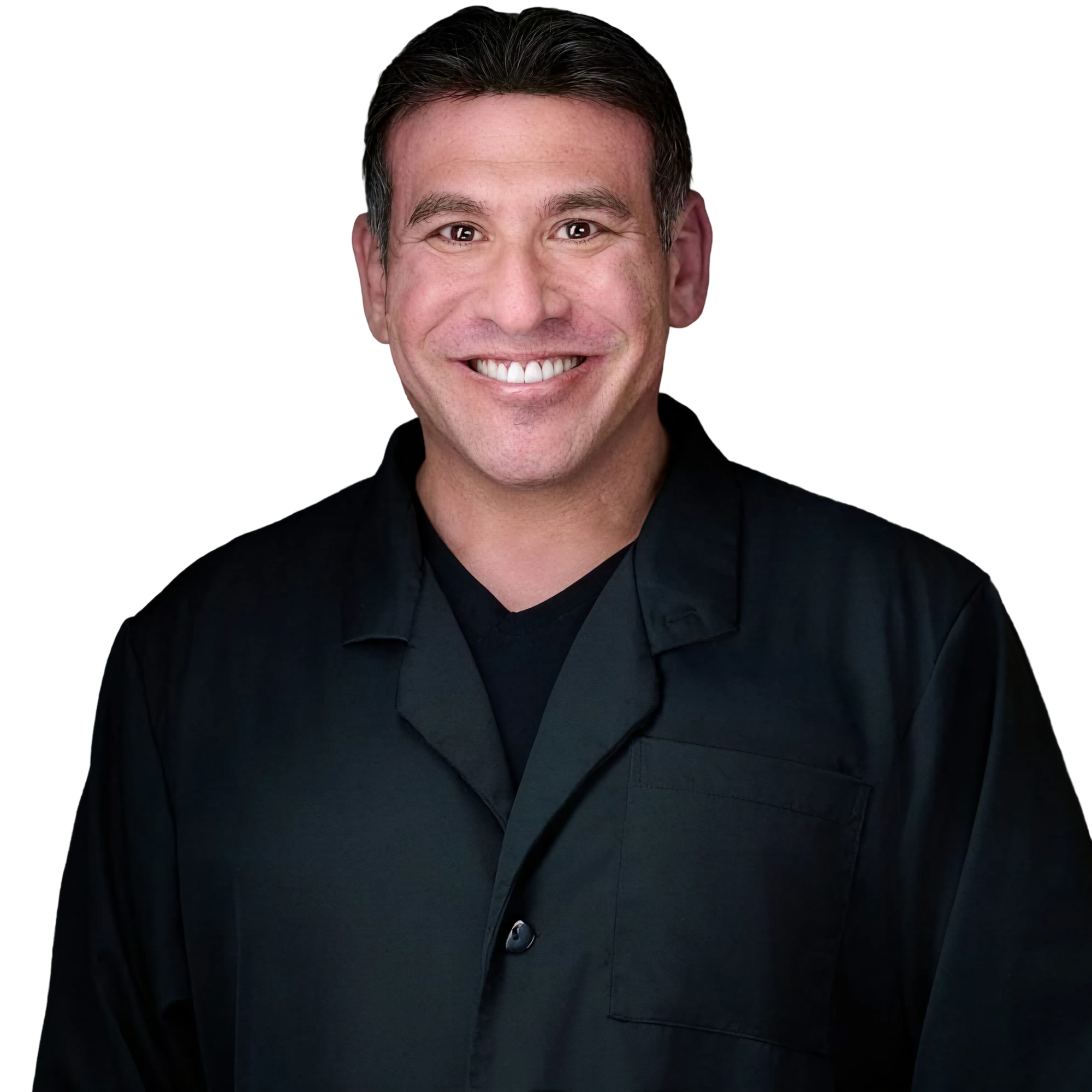
Dr. Joshua Solomon is a second-generation pediatric dentist with over 20 years of experience practicing in Livermore, California. He earned his DDS from the University of the Pacific and completed a pediatric specialty residency and Master’s program at the University of Texas Dental Branch in Houston.He is a Diplomate of the American Board of Pediatric Dentistry and a Fellow of the American College of Pediatric Dentistry. Dr. Solomon is also an internationally recognized speaker and clinical instructor. He leads hands-on training programs in advanced pediatric restorative techniques and serves as a key opinion leader and product evaluator for leading dental companies.
Done learning and want to get started?
Book a demo