.jpg)



The Challenge
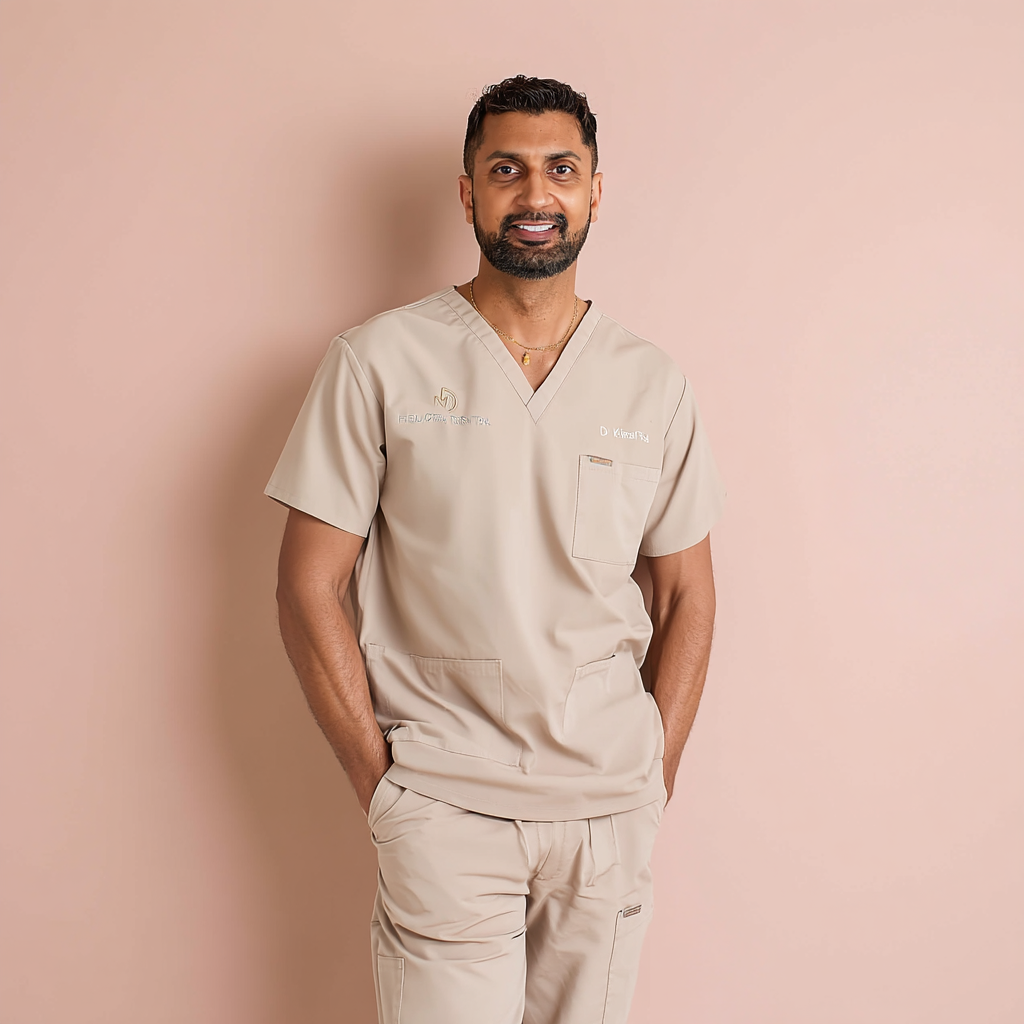
Dr. Nishan Dixit knew he had a problem. Standing in his Harrow, UK practice, Blue Court Dental, he watched yet another patient squint at their X-ray, nod politely, and decline the preventative treatment he'd recommended. The tooth wasn't bothering them yet, they reasoned. Why fix what isn't broken?
What Dr. Dixit was witnessing wasn't unique. Only about 40% of UK adults book annual dental exams; the rest visit only when pain pushes them there. But Dr. Dixit, a specialist in minimally invasive dentistry, understood that if he could show his patients the early decay, he could convince them to act before they were in the throes of a painful—and often expensive—toothache.
The Anatomy of Doubt
"Patients are not trained to read X-rays," Dr. Dixit acknowledges. When you can't see the problem, it's human nature to question whether it exists at all. For a profession built on prevention, this trust deficit was devastating.
Untreated caries on permanent teeth represent the most common disease among the 328 conditions tracked in the Global Burden of Disease study. For children, it's the leading health concern worldwide. Yet here in Harrow, Dr. Dixit was watching preventable problems slip through the cracks—not because of clinical limitations, but because of communication failures.
In fact, 65 percent of patients don’t understand their x-rays, and 59 percent don’t trust the diagnosis, said Dr. Nishan, citing Pearl’s 2022 study “Dental Patient Trust & Technology."
An Experiment in Transparency
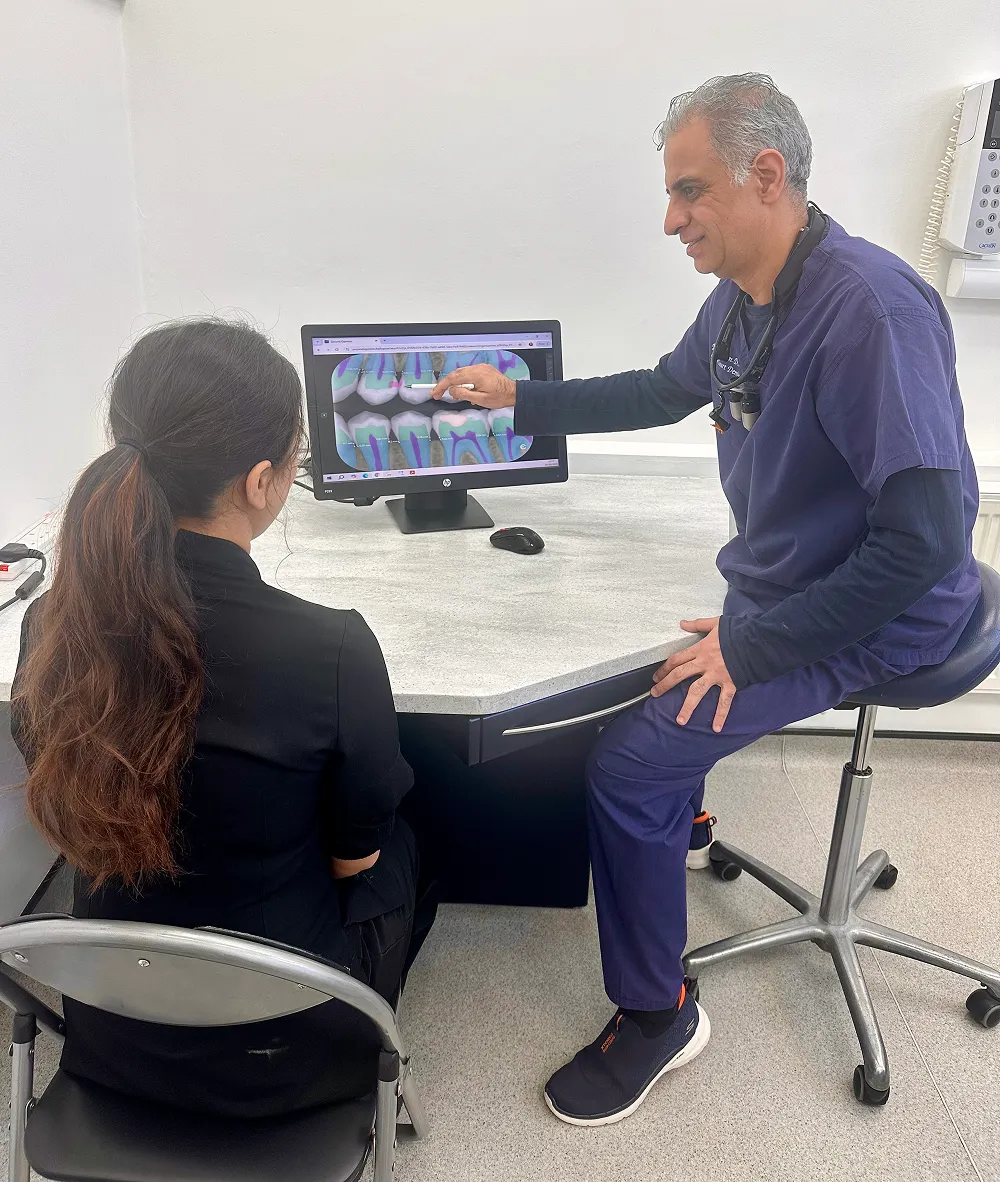
The solution came unexpectedly at a conference in Chicago, where Dr. Dixit encountered Pearl's Second Opinion AI. The demonstration was revelatory: traditional X-rays transformed into vibrant, color-coded visuals with pop-up indicators highlighting areas of concern. It wasn't just diagnostic enhancement—it was translation technology for the doctor-patient relationship.
"We're a progressive practice," Dr. Dixit explained. He saw the potential to bridge the trust gap that had been plaguing his consultations.
From October 2024 to January 2025, Dr. Dixit conducted what amounted to a real-world experiment in diagnostic transparency. Across 145 X-rays from 35 patients—a mix of new patient assessments and routine recalls—Pearl's AI began revealing patterns that would fundamentally change his practice.
The results were startling: Pearl identified 44 early carious lesions. Of these, Dixit's dentists had spotted only 12 with traditional methods. The AI had caught 32 lesions that might have been missed—a 73% detection rate that represented not just improved diagnostics, but saved suffering and reduced costs for patients down the line.
Nine of those missed lesions required immediate reassessment and restoration. Without Pearl's intervention, these would have progressed from minor, minimally invasive treatments to major procedures requiring extensive—and expensive—intervention.
Transforming Minimally Invasive Practice
Pearl's impact extended far beyond improved detection rates. The technology fundamentally enhanced Dr. Dixit's ability to practice minimally invasive dentistry across four key areas:
Precision-Guided PreventionPearl's AI eliminated the guesswork from early intervention. Instead of "eyeballing" potential problems, Dr. Dixit could show patients precise decay progression percentages, making the case for immediate, gentle treatment before conditions escalated.
Patient Partnership in Prevention: The color-coded visuals transformed patient education from persuasion to demonstration. Patients could see exactly why early treatment was necessary, leading to enthusiastic participation in minimally invasive care plans rather than reluctant acceptance.
Streamlined Diagnosis for More Gentle Care: "Pearl has sped up the diagnosis process a lot," noted Dr. Dixit. Faster, more accurate diagnosis meant more time for patient education and treatment planning—crucial elements of successful minimally invasive dentistry.
Preventative Product Uptake: When patients understood their risk factors through Pearl's clear visuals, they proactively invested in preventative measures. Sales of fluoridated mouthwashes, specialized floss, and most importantly, regular hygiene maintenance appointments all increased as patients became partners in their preventative care.
A New Standard of Care
What began as a diagnostic tool had evolved into a new model for patient engagement built on radical transparency. Dr. Dixit had discovered that when patients can see their dental issues as clearly as their dentist can, the relationship fundamentally shifts from one of skepticism to partnership.
"Our patients feel assured that by using this software, there is more accuracy in diagnosing," he reflected. "The quality of treatment is important to them. They want the best, and we're giving them the best with the technology that is available."
In an industry where prevention is worth infinitely more than cure—both financially and medically—Dr. Dixit had cracked the code. The answer wasn't better sales techniques or more persuasive explanations. It was simply letting patients see what he saw, transforming dental care from an act of faith into an act of informed partnership.
At Blue Court Dental, artificial intelligence hadn't replaced the human touch—it had made it more powerful than ever.