What is the D2740 dental code? (Crown - porcelain/ceramic)
3
minute read
•
May 11, 2026
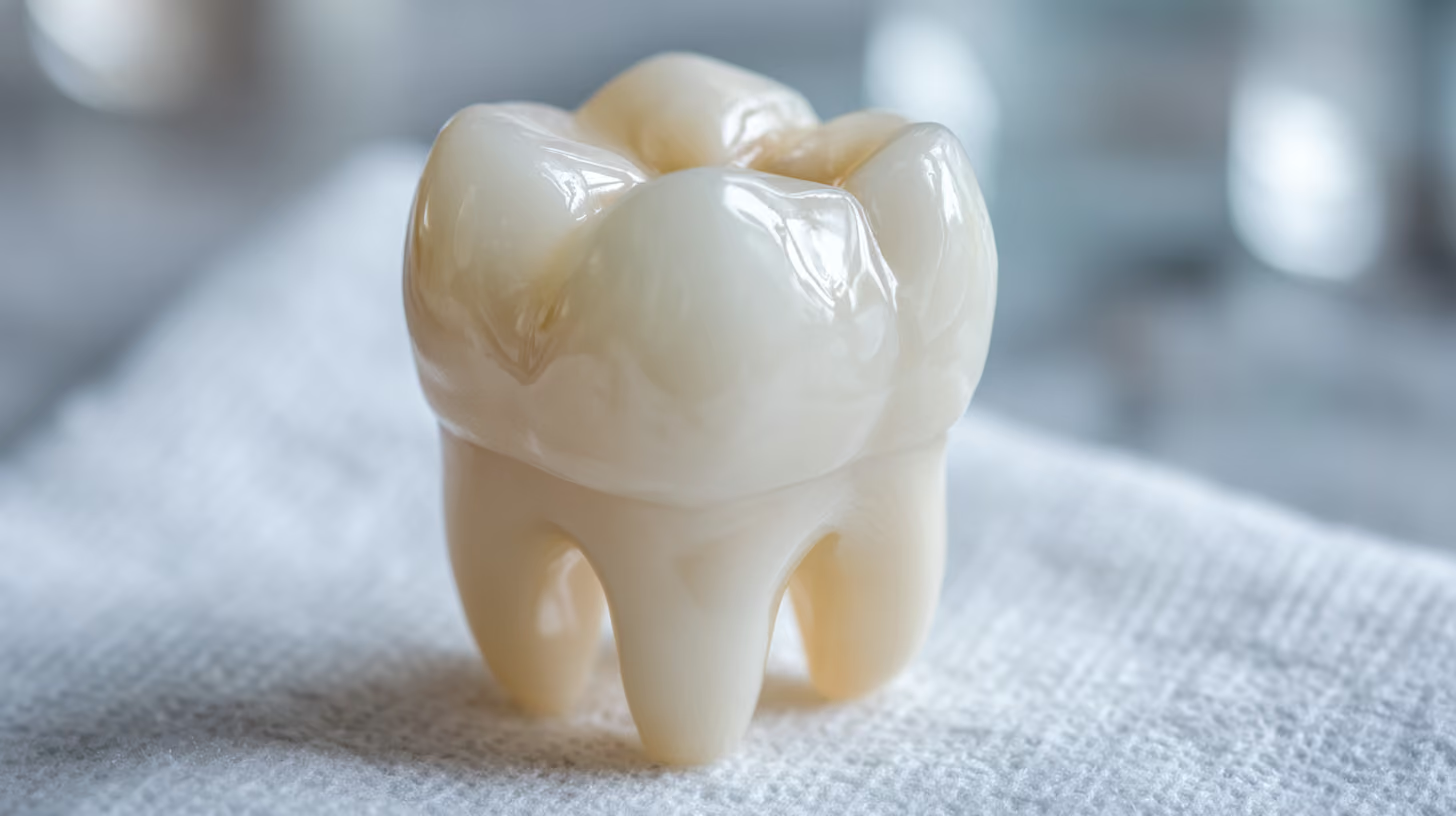
D2740 is the dental code for a crown - porcelain/ceramic substrate. In practical terms, it refers to a laboratory-fabricated, full-coverage crown made entirely of ceramic or porcelain, without a metal substructure.
This code is used when a tooth needs full coverage to restore strength, function, and long-term protection. That often happens when a tooth has lost significant structure because of extensive decay, fracture, a failed existing restoration, or the need for protection after endodontic treatment. While esthetics may be part of the decision, the primary reasons for a D2740 crown are structural support and function.
D2740 represents the definitive ceramic crown restoration itself. The prep, temporization, impressions or scans, lab fabrication, try-in, and final cementation are all part of the treatment process, but they are not separately billed under this code. To support D2740, your documentation should clearly explain why full-coverage restoration was clinically necessary.
Benefits of using the D2740 code in your dental practice
Using D2740 correctly helps the practice document treatment more accurately, submit cleaner claims, and support better communication around crown treatment.
Clinical documentation requirements
D2740 allows you to document the restoration precisely. Instead of a broad note about a crown, the code shows that the patient received an all-ceramic full-coverage restoration.
That matters for future care. If the patient returns years later, or another provider reviews the chart, it is much more useful to know exactly what type of crown was placed. Strong documentation should also support why full coverage was needed in the first place.
Streamlined insurance claims
Correct use of D2740 helps claims move more smoothly by clearly identifying the crown as porcelain or ceramic rather than another full-coverage option.
That distinction matters. If the wrong crown code is used, claims are more likely to be delayed, denied, or downgraded. Accurate coding gives the submission a cleaner starting point, even though final coverage still depends on the patient’s plan.
Better patient treatment options
Correct coding also supports clearer treatment conversations. If you are recommending an all-ceramic crown, D2740 reflects that exact restoration in both the clinical record and the financial discussion.
That helps patients understand what they are receiving and why it is being recommended. In many cases, the decision comes down to the amount of remaining tooth structure, tooth location, occlusion, and the need for a natural-looking result.
Enhanced revenue and practice efficiency
Proper use of D2740 helps the practice bill accurately for the treatment that was actually delivered. That is especially important with indirect restorations, where material selection, laboratory costs, and chair time all affect the procedure's value.
It also reduces rework. When the chart, narrative, and claim all align, your team spends less time correcting submissions or clarifying treatment details.
FAQs
How is D2740 different from a regular filling?
A filling restores only part of a tooth. D2740 is used when the tooth needs a full-coverage crown that covers the entire visible portion of the tooth. That usually means the tooth has too much structural loss for a direct restoration to hold up predictably long-term.
Is D2740 covered by dental insurance?
Sometimes, but it depends on the patient’s plan. Many dental plans cover crowns when they are considered clinically necessary, but annual maximums, waiting periods, frequency clauses, or material downgrades may still limit coverage.
How long does a D2740 crown last?
There is no single lifespan for an all-ceramic crown, as longevity depends on factors such as the material used, the patient’s bite, oral hygiene, habits such as grinding, and the condition of the tooth underneath. That said, all-ceramic crowns can perform very well long-term when they are placed on the right tooth with the right preparation and maintained properly.

About the author
Sheela Roth is a veteran dental practice management expert, thought leader and public speaker. As Head of Clinical Education for the dental AI company Pearl, Ms. Roth is responsible for developing and delivering strategic training programs that educate dental offices, staff and partners on AI and its successful application in dentistry. Previously, Ms. Roth founded and led the practice management consultancy Absolute Dental Business Solutions. She earned her BS and RDH from Loma Linda University..